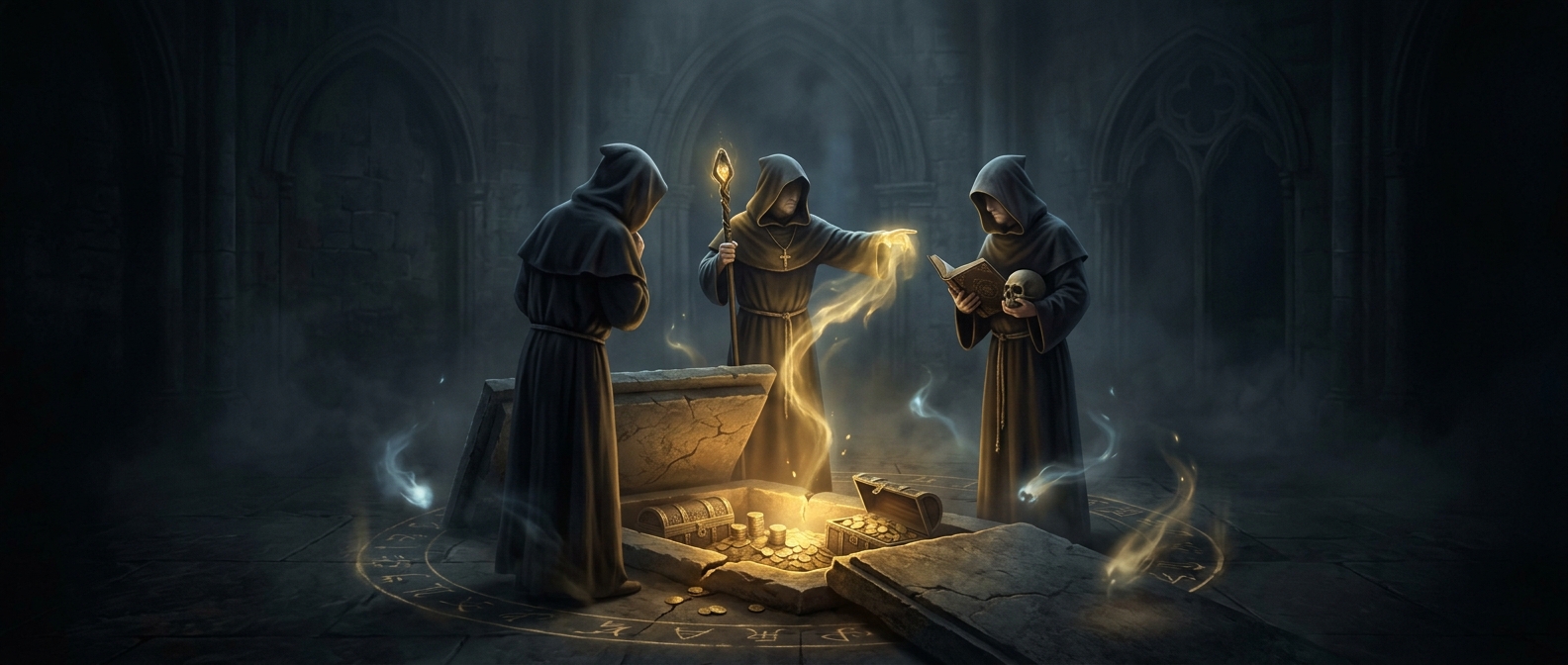
The grisly logic of Iceland’s “money pants”
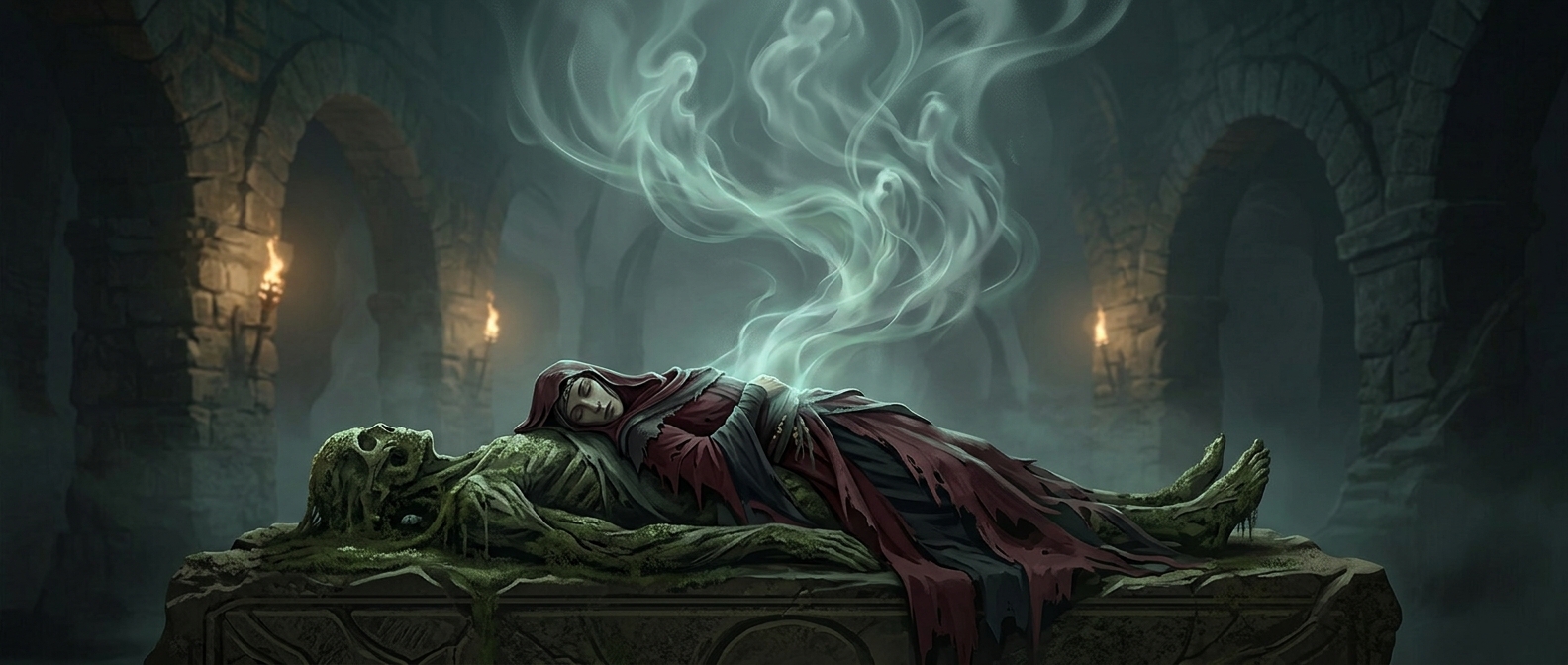
In Icelandic folk magic, a garment called nábrók—often translated as “corpse pants” or “necropants”—was said to bring its wearer wealth. The legend made the pants’ construction part of the spell: they had to be made from the flayed skin of a dead man, removed in one piece. The wearer was also said to need the dead man’s permission, secured before his death. Without that consent, the ritual was not supposed to work.
The story belongs to a tradition of magical beliefs, not a documented method of producing real wealth. Its disturbing details give the imagined power a price: riches come not from ordinary labor or luck, but from a pact that crosses the boundary between the living and the dead.
Why the coin mattered
After putting on the skin, the wearer was to place a stolen coin in its scrotum. The coin was said to draw money toward the wearer without being spent. In some tellings, it had to be taken from a poor widow, sharpening the ritual’s moral cost: the promised gain began with someone else’s loss.
The coin was not simply a payment for the garment. In the legend, it acted as a lasting magical anchor. The pants held the coin, and the coin kept wealth flowing—a grotesque image of abundance made dependent on theft and a corpse.
A spell built around taboo
Every step raises the stakes: permission from a friend, the body’s careful preparation, and a stolen coin hidden where it cannot be seen. That sequence turns a claim about getting rich into a tale about obligation and transgression. The wearer’s imagined fortune is inseparable from what he must do to obtain it—and from the unsettling object he must keep wearing.