When the audience becomes part of the game
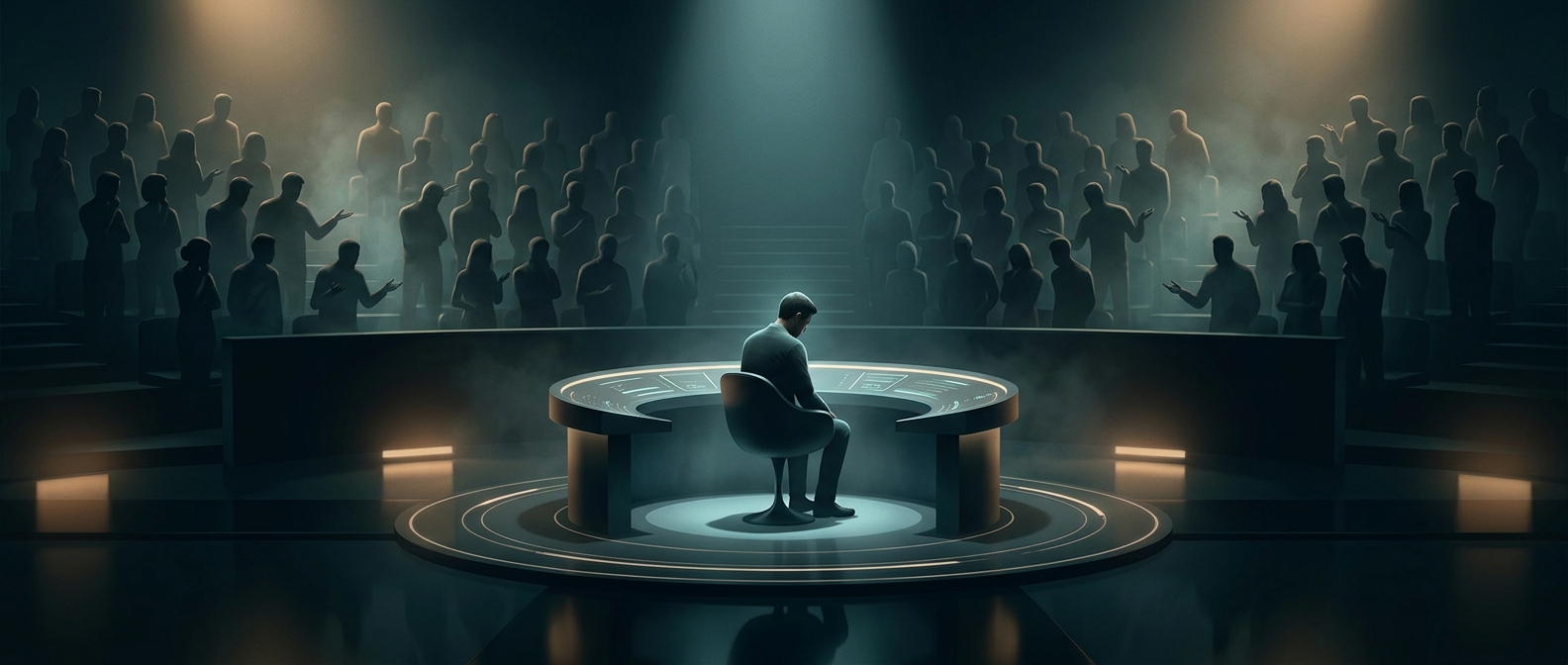
In a quiz show, an audience vote can look like a source of help: a contestant faces a question, the crowd chooses an answer, and the contestant weighs that advice. But the people voting are not necessarily playing for the same thing. The contestant needs to get the answer right; spectators may be more interested in seeing what happens if they do not.
That difference can turn a helpful-looking poll into a prank. If audience members knowingly favor a wrong option, they are not merely mistaken—they are steering the game toward a more dramatic outcome. The contestant may trust the crowd precisely because its many responses seem more reliable than one person’s guess.
A vote with two audiences
The choice is appealing because the crowd has little at stake while the contestant has everything to lose in that moment. A wrong result can produce surprise, tension, and a memorable failure—the kind of turn that makes a game show entertaining to watch. For the audience in the room, choosing the bad answer can become a shared joke, especially when everyone knows the contestant may rely on it.
The vote therefore serves two purposes at once: it appears to guide the player, while also giving spectators a way to shape the spectacle. The audience is no longer just watching the risk; it is helping create it.