Why a Plinko chip needs to stay the same
A Plinko chip does not simply drop straight to a prize. It hits rows of pegs, and each collision can send it left or right. Tiny differences in how a chip meets a peg—its angle, spin, or contact point—can change the next bounce. A small change near the top can lead to a different route much farther down.
That makes the chip part of the game’s setup, not just a token. Its shape and other physical characteristics affect how it interacts with the board. Customized chips can be made to produce the kind of bouncing behavior the producers want: unpredictable paths, rather than a guaranteed route to a particular slot.
Why producers lock them away
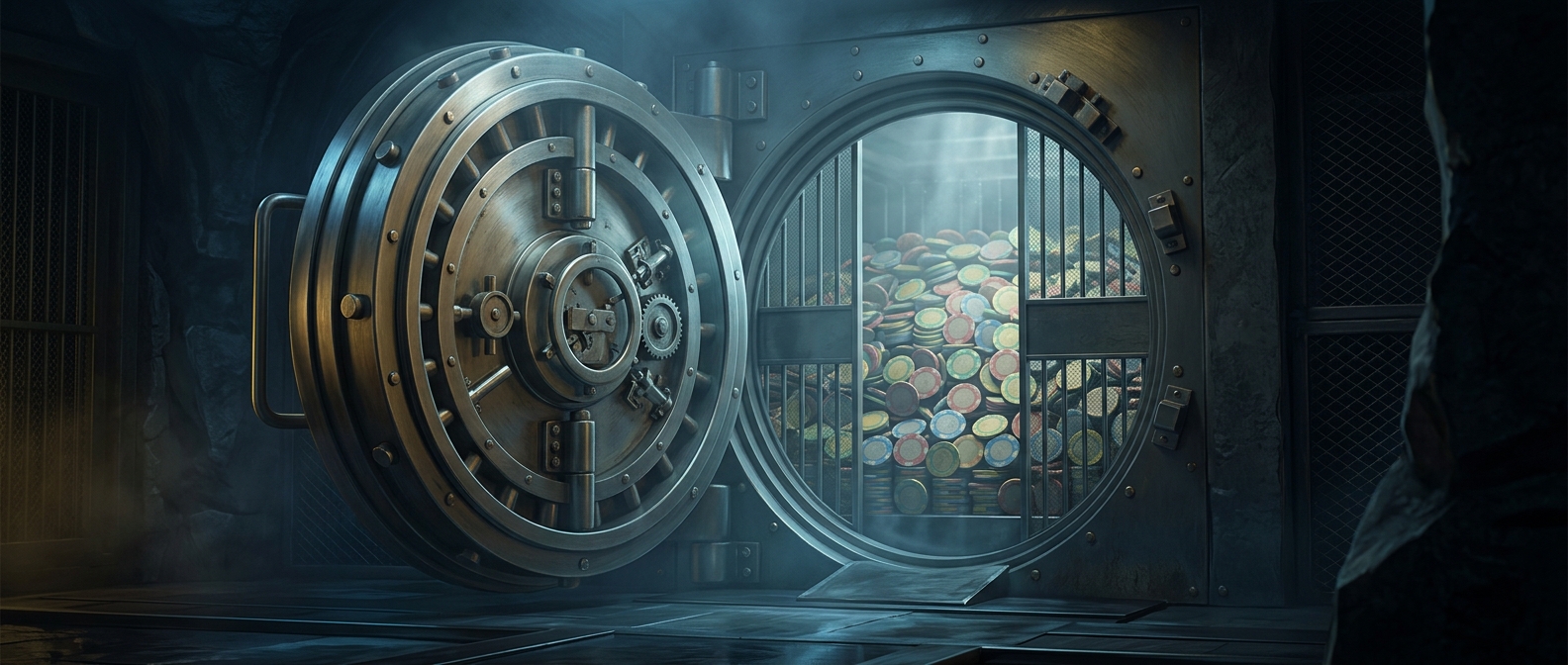
After filming, locking up the chips helps keep that setup intact. If a chip were lost, damaged, or swapped for one with different physical properties, it might behave differently on the pegs. The goal is not to make every drop identical—the uncertainty is the point—but to keep the equipment consistent from one use to the next.
So the locked case is less about preventing a chip from revealing where it will land than about preserving the conditions that make each fall uncertain in the intended way. On Plinko, even a small piece of hardware can shape the whole game.