What Makes a Dust Bunny “Biological”
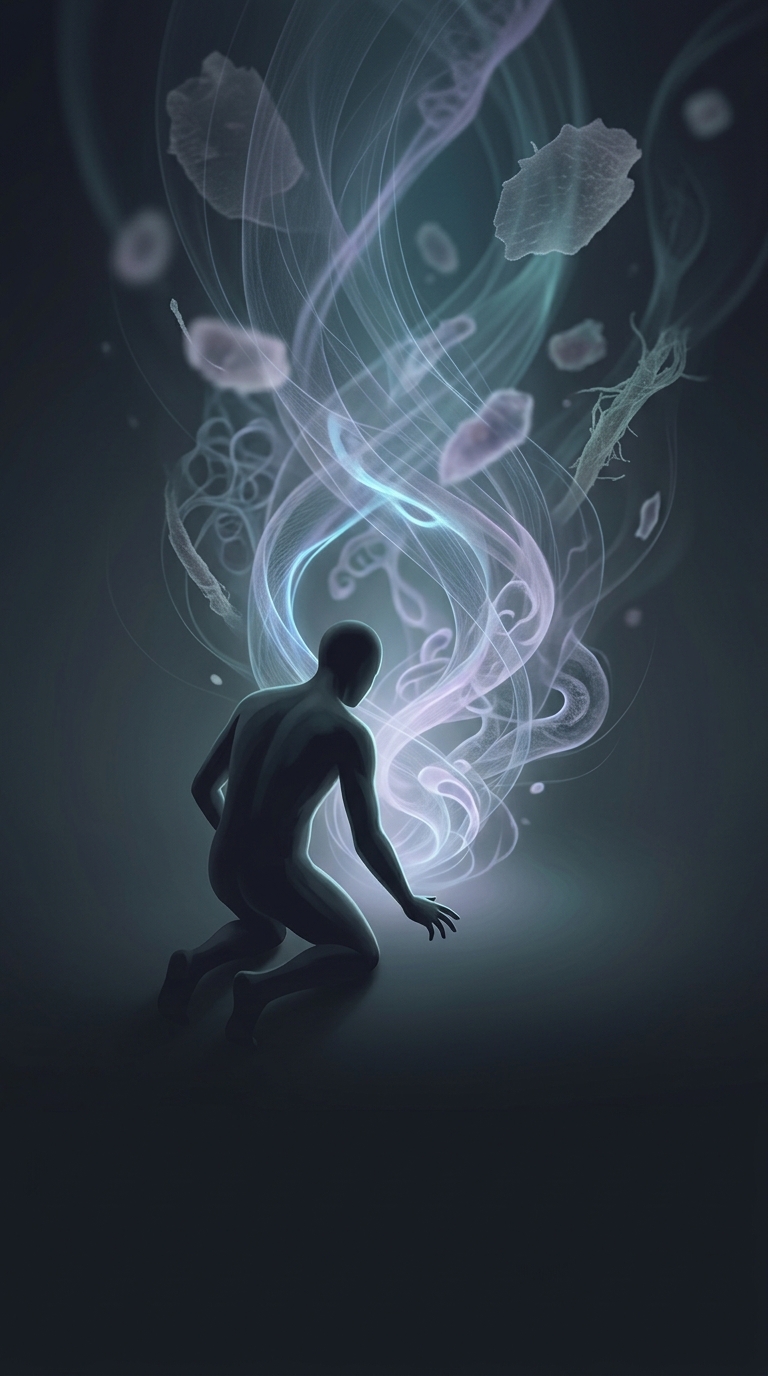
A dust bunny is a tangled clump of loose material, not a single substance. Its biological ingredients can include shed skin cells, human or pet hair, and tiny bits of plant matter. Among the familiar human-derived ingredients, shed skin is a major one: the outer layer of skin continually releases microscopic flakes that drift through rooms and settle on surfaces.
Why It Collects Under the Bed
Skin flakes do not usually form a visible clump on their own. They get caught among longer strands—especially hair and fibers shed from rugs, bedding, and clothing. Air currents move this lightweight debris, while the sheltered, undisturbed space under a bed lets it accumulate. The strands snag on one another and on floor irregularities, gradually building a larger wad.
That means the bunny’s visible bulk is often largely fibers and hair, even though skin contributes to the mix. Its exact composition varies with the room: a carpeted bedroom, a pet’s sleeping spot, and a room with smooth floors will collect different proportions.
The surprising part is that a large clump need not signal a dramatic burst of shedding. It can simply be a record of months of ordinary shedding, gathered where sweeping rarely reaches.