Why a Damp Loofah Can Be Hard to Keep Clean
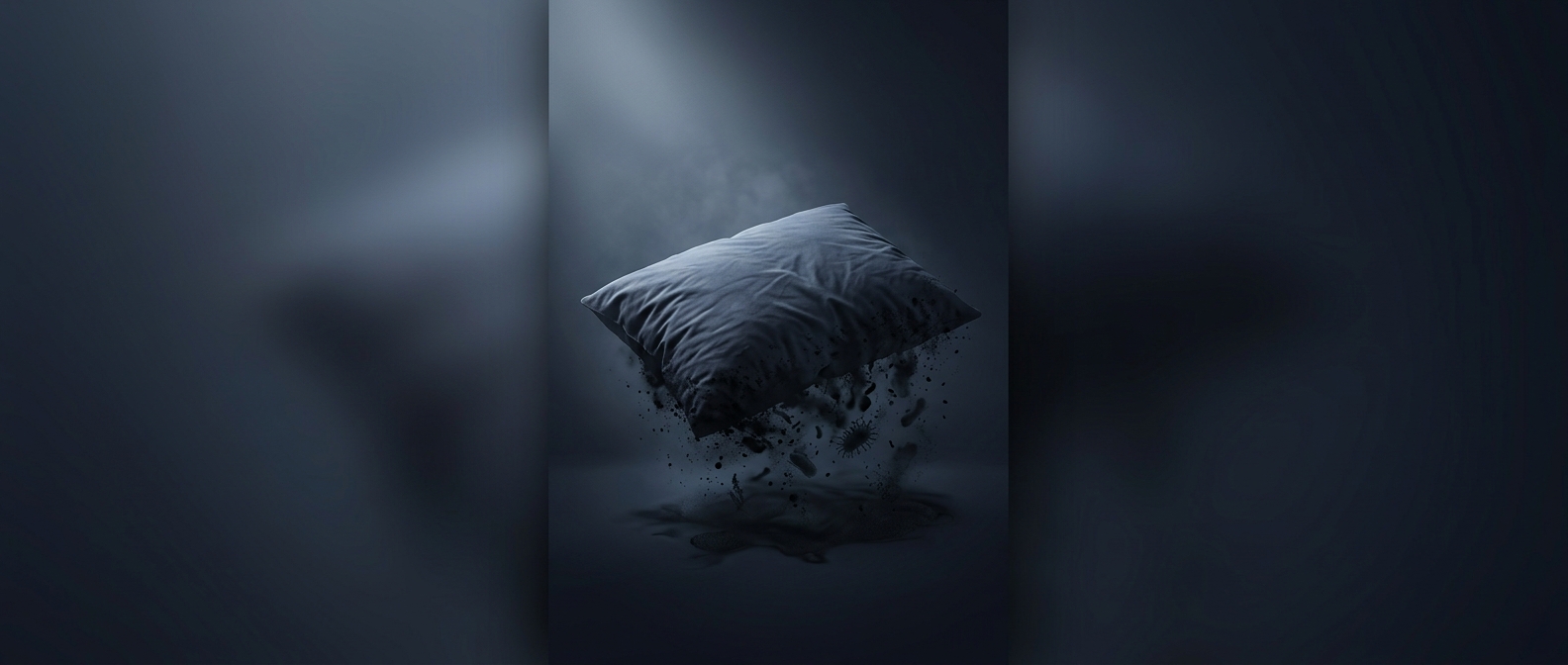
A traditional loofah is made from the dried, fibrous interior of a gourd. Its tangled structure makes it useful for scrubbing, but also gives water, soap residue, and shed skin cells places to linger. In a warm shower, the fibers may stay damp between uses—conditions that can allow microbes to persist or multiply.
That does not mean every loofah is contaminated or will cause an infection. The concern is that a scrubber used repeatedly on skin can become an avoidable source of exposure, especially if it is not allowed to dry thoroughly.
Scrubbing Can Also Damage the Skin Barrier
The bigger issue for some people is friction. Vigorous rubbing can cause tiny abrasions and irritation, even when the skin does not look visibly cut. The outer skin layer normally helps keep irritants and microbes out; disrupting it can be a problem for people with eczema, freshly shaved or broken skin, or an active rash or infection.
A loofah can therefore combine two risks: a damp, difficult-to-clean surface and rough contact with skin. That is why dermatologists often favor gentler washing rather than aggressive exfoliation.
A Simpler Shower Routine
For ordinary washing, clean hands and a mild cleanser are enough. If you prefer a cloth, choose one that can be washed and dried between uses, and avoid sharing it. Skip scrubbing over irritated or broken skin; exfoliation is not necessary for cleanliness.
The practical takeaway is not that a loofah guarantees harm. It is that a reusable scrubber offers little essential benefit while adding friction and a cleaning challenge—so leaving it out of the shower is an easy way to reduce both.