Bart Huges’s theory of an “open” mind
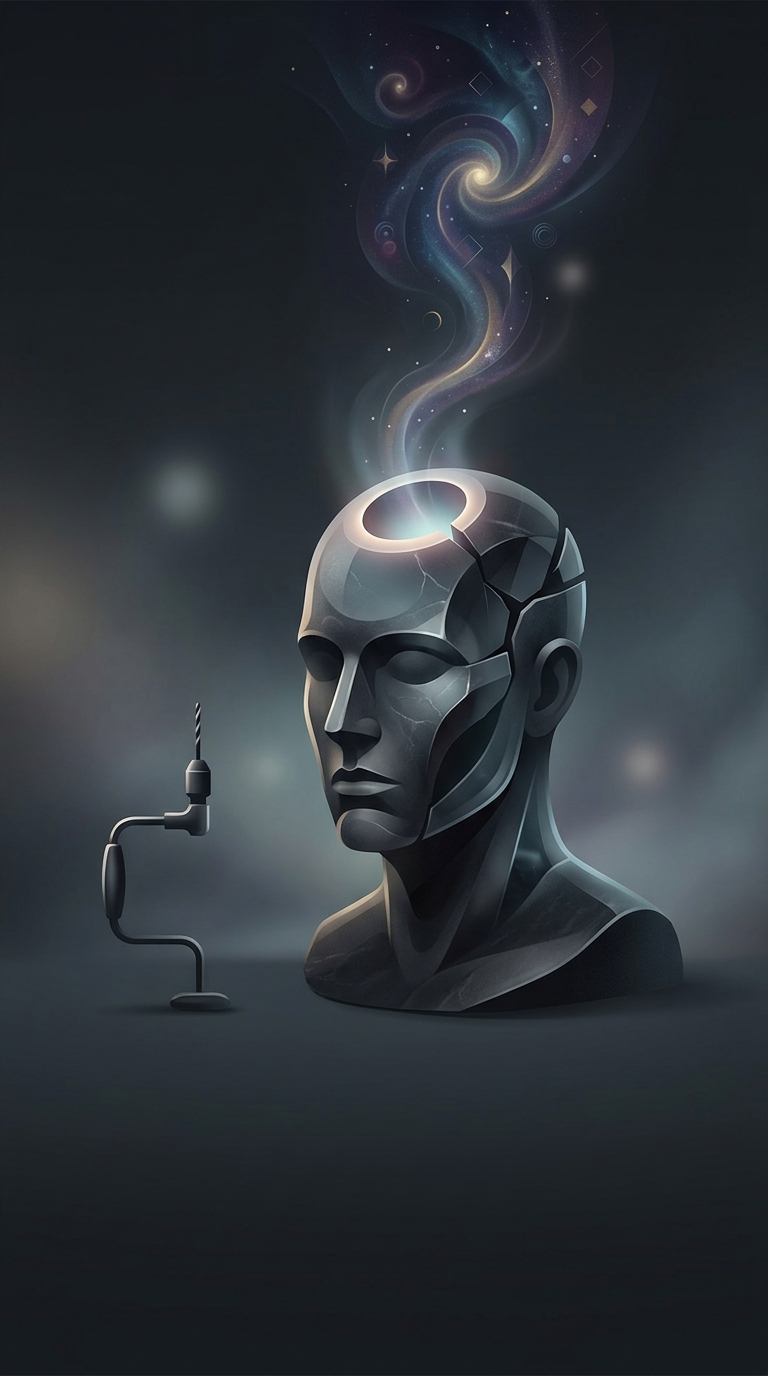
Bart Huges’s idea rested on a comparison with infancy. A baby’s skull has soft gaps between its bones, including the fontanelle, or “soft spot.” Huges believed that as the skull hardened, it constrained the brain’s blood supply and limited a more expansive state of consciousness. He thought making an opening in the skull could restore something of that earlier condition.
This was his personal theory, not an established account of how consciousness or brain circulation works. The brain already receives blood through vessels whose flow is regulated by the body; a hole in the skull does not simply make it fill with more blood.
Trepanation as a bodily experiment
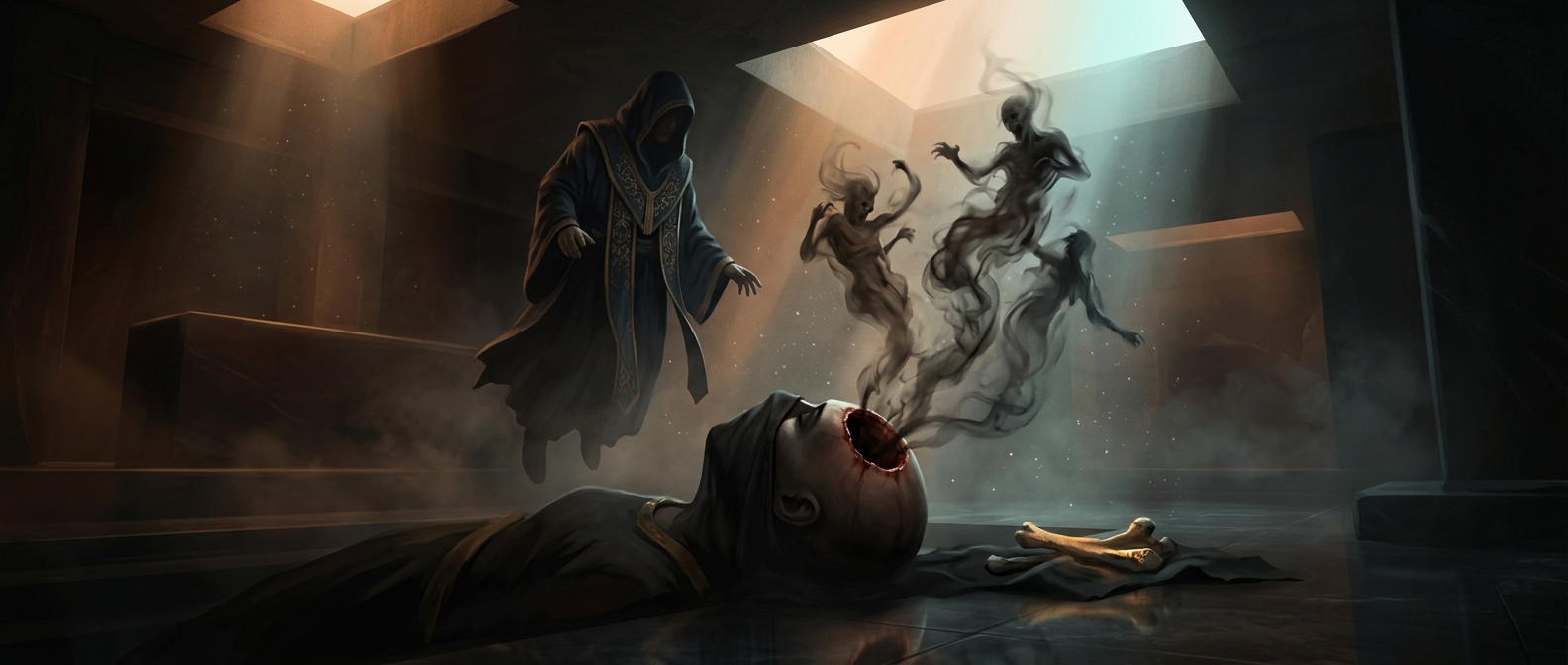
The procedure Huges chose is called trepanation: making an opening in the skull. It has been practiced in different times and places for medical reasons, but Huges used a dentist’s drill on himself in 1965 to pursue a spiritual aim. The striking feature of his project was its directness: rather than treating altered consciousness as something reached only through meditation or belief, he treated the skull itself as the barrier to change.
That distinction matters. His act shows how a theory about the body can become a personal experiment when someone sees anatomy as the source of a spiritual limitation. But opening the skull is not a way to safely or predictably alter awareness; it can cause severe injury, infection, bleeding, or death. Huges’s proposal is remembered less as a medical method than as an unusually literal attempt to make a metaphysical belief physical.