Why Turiya is called the “fourth”
In the Mandukya Upanishad, a short Hindu text about consciousness, Turiya means “the fourth.” The name points to three familiar modes of experience: waking life, dreaming, and deep sleep. Turiya is described as what is present beneath or beyond those modes—not simply a fourth episode that begins after sleep.
That distinction matters. In this tradition, waking awareness has objects such as sights and thoughts; dreams have their own changing scenes; deep sleep is marked by the absence of ordinary, remembered experience. Turiya is presented as the awareness in relation to which these different conditions can be considered.
The witness, not another voice in the mind
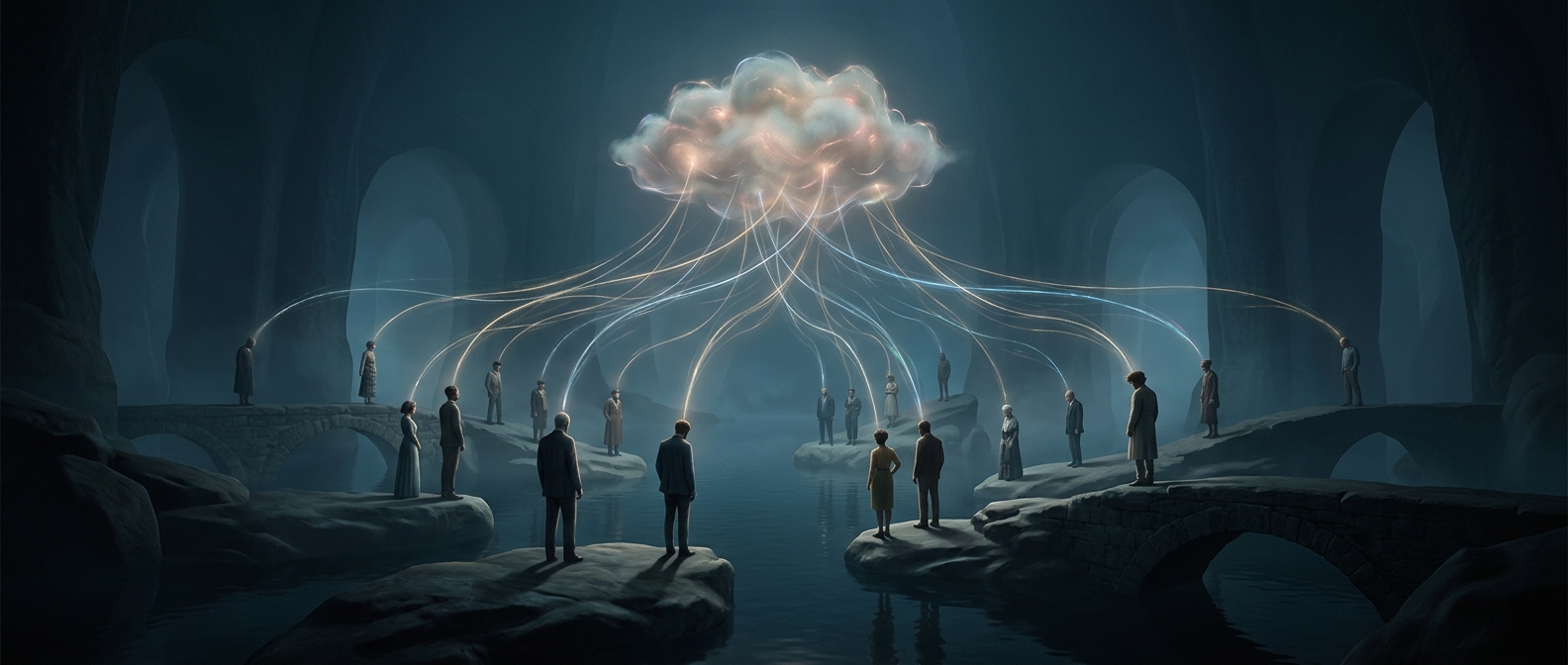
A common way to explain the idea is to compare awareness to a quiet background against which thoughts and sensations appear. The “witness” is not a little observer hidden inside the head, watching like a person at a screen. It names a way of understanding consciousness as distinct from the shifting contents of experience.
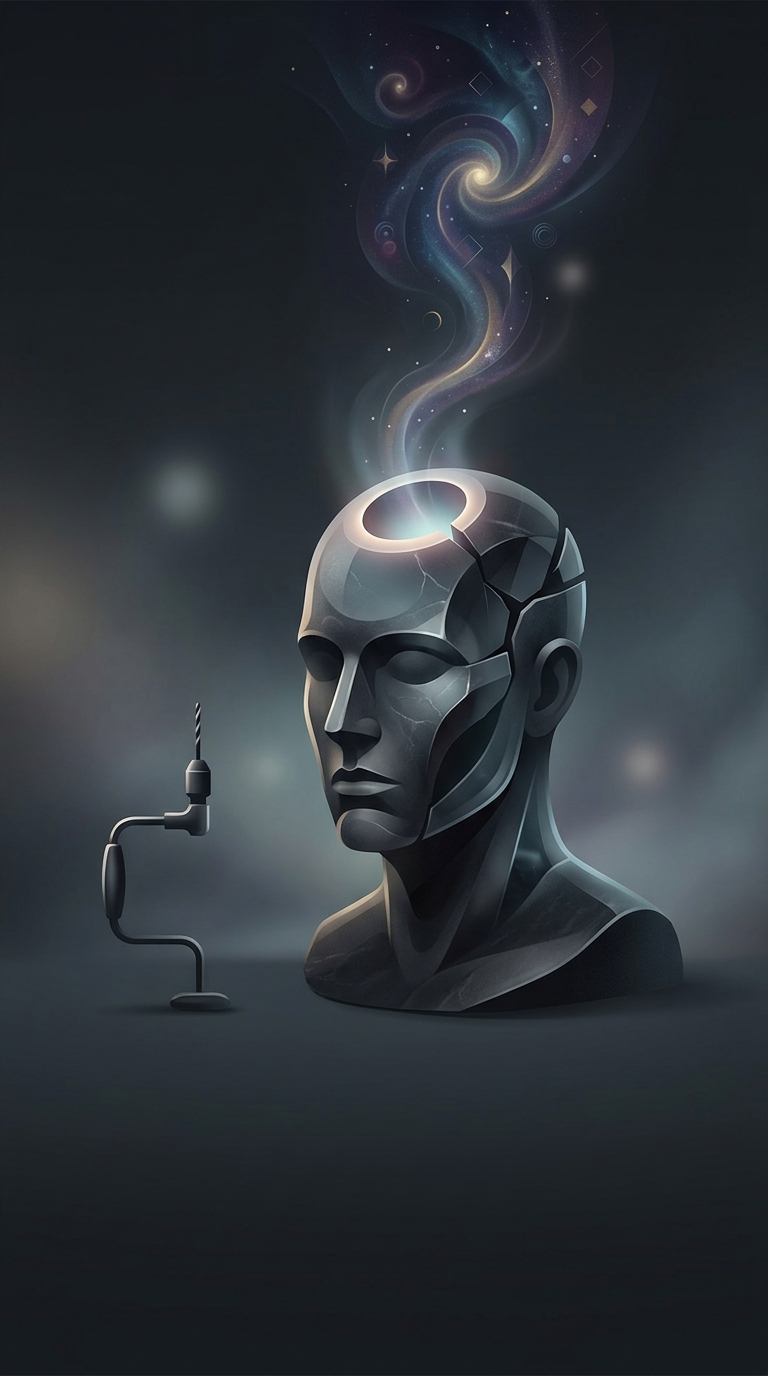
So Turiya is not usually meant to describe a trance, a vision, or a special sensation. Those would still be experiences with particular contents. In Advaita Vedanta—a Hindu philosophical tradition that emphasizes the unity of the deepest self and ultimate reality—the teaching instead directs attention toward what is said to remain when those contents change.
A teaching about identity
The point is not merely to classify states of mind. The text uses the comparison to question whether a person is only the body, thoughts, or passing experiences. Turiya names the deeper reality that this tradition asks practitioners to recognize, rather than a condition that can be measured or established as a scientific fact.
The striking implication is that the “fourth” is not another place the mind travels to. It is described as the background against which waking, dreaming, and sleep are understood at all.