Jung’s Hidden Layer of the Psyche
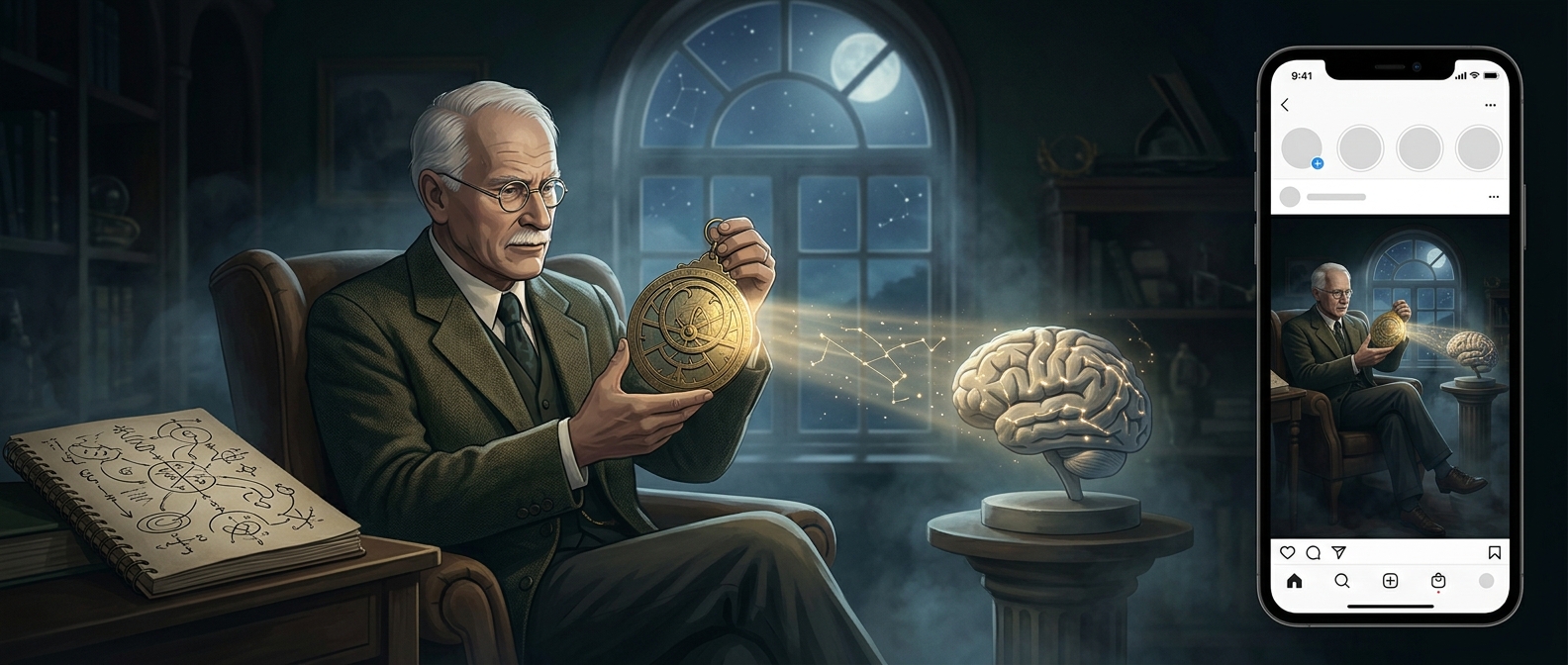
Carl Jung proposed that the mind contains more than personal memories and feelings. Beneath the personal unconscious—material an individual has forgotten or pushed aside—he placed the collective unconscious: a layer he believed people share because of their common human inheritance.
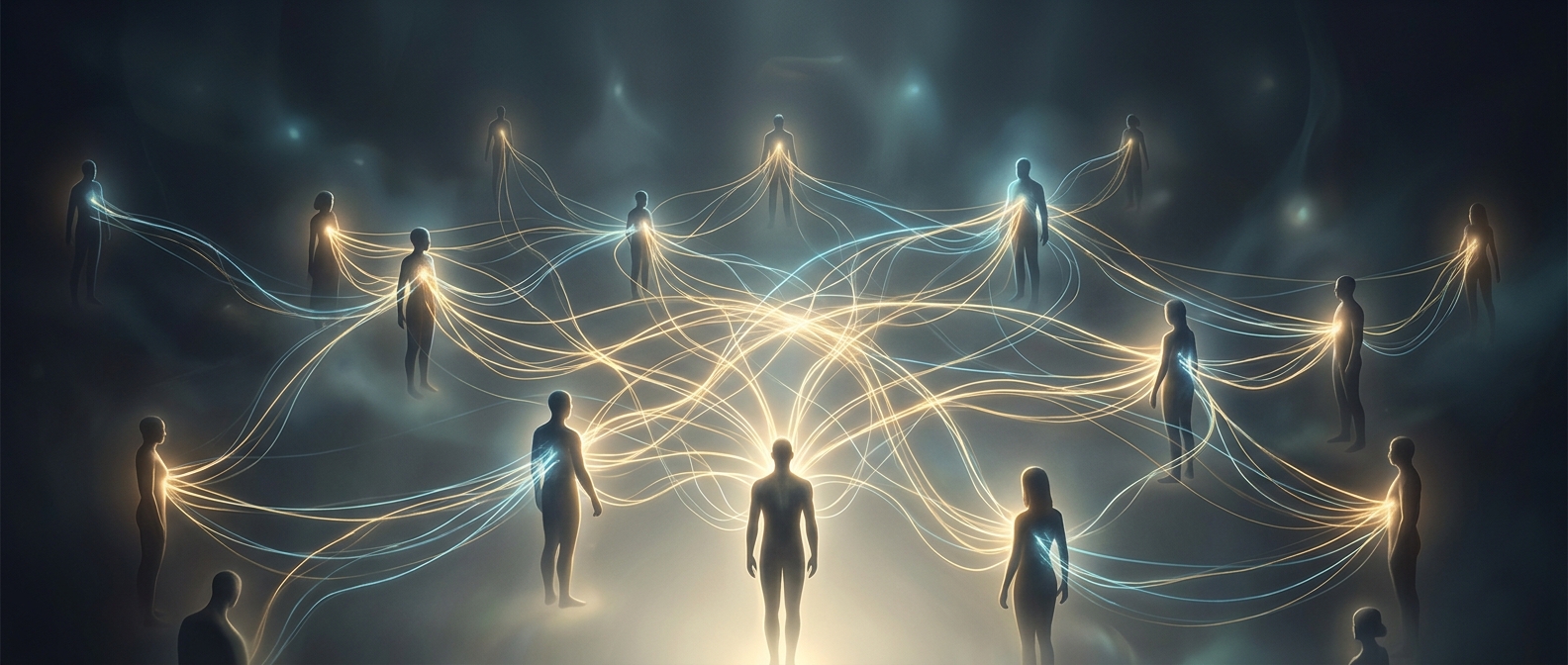
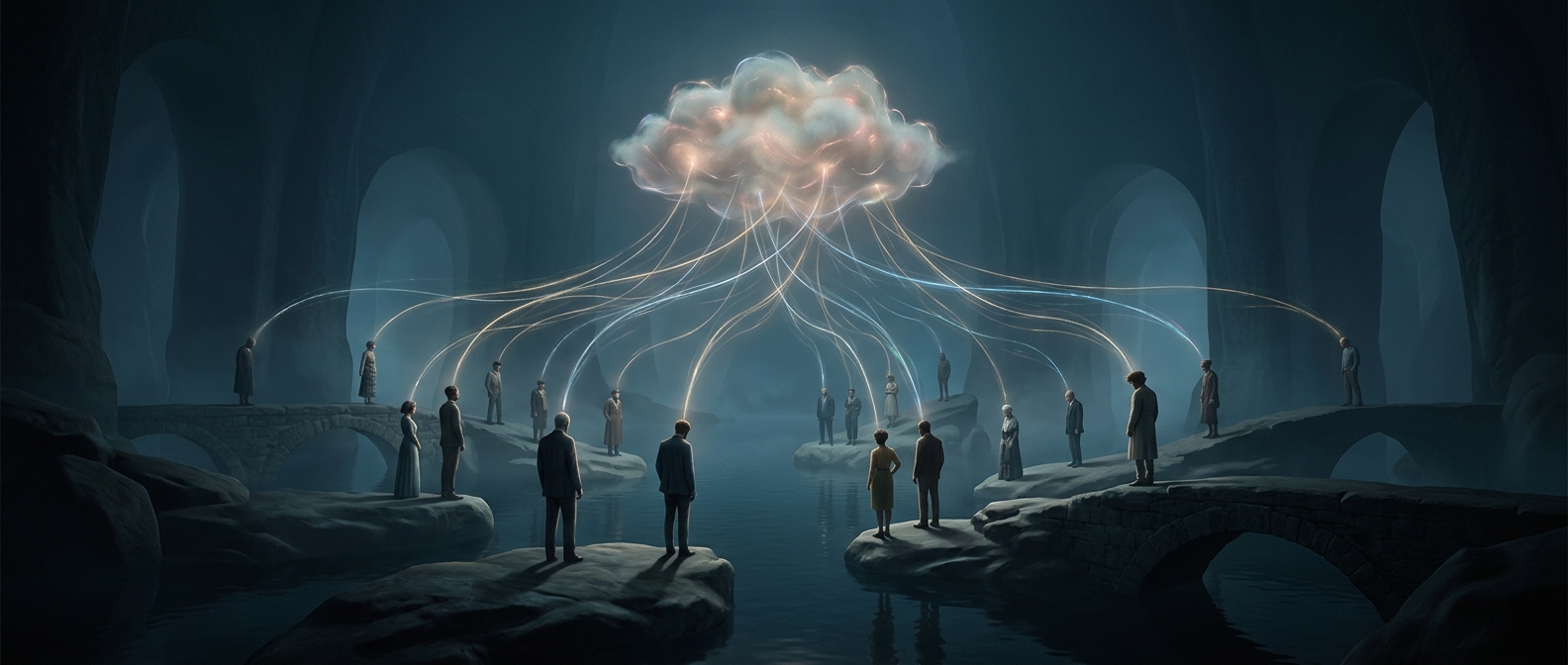
Jung did not mean that people could read one another’s thoughts. He pictured a common psychological ground that helps explain why certain patterns recur across lives and cultures, even when people have not learned them from one another.
Archetypes Give the Idea Its Shape
Jung called the recurring patterns in this layer archetypes. They are not detailed memories or fixed characters stored in the brain. They are more like inherited templates: tendencies to imagine and respond to experiences such as caregiving, danger, transformation, or the encounter with a powerful stranger.
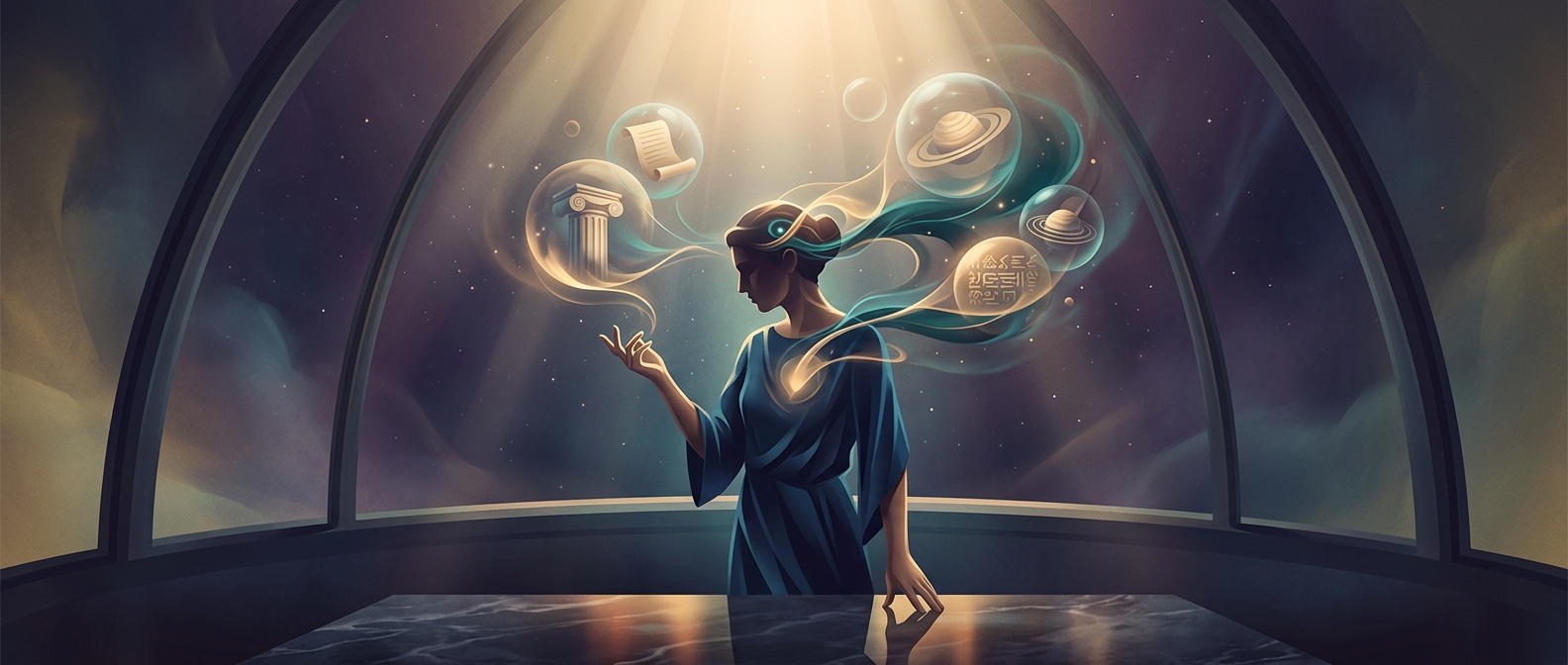
A culture gives those templates particular faces. The caregiver might appear as a mother, a healer, or a protective spirit; a story about leaving home, facing a trial, and returning changed can take many local forms. Jung looked to myths, dreams, and religious imagery for recurring patterns of this kind.
A Psychological Model, Not a Shared Memory Bank
The concept offered Jung a way to connect an individual’s inner life with humanity’s recurring stories and images. In this account, a dream’s meaning does not come from a universal dictionary of symbols: its imagery gains meaning through the dreamer’s life and the cultural patterns it evokes.
The collective unconscious remains a Jungian interpretation of the psyche, not a demonstrated storehouse of ancestral episodes. Its lasting appeal lies in the question it asks: why can an unfamiliar symbol or story feel emotionally recognizable? Jung’s answer was that beneath personal experience, people may share patterns for making sense of being born, losing someone, facing danger, and changing over time.