Solitude as a Test of Spiritual Discipline
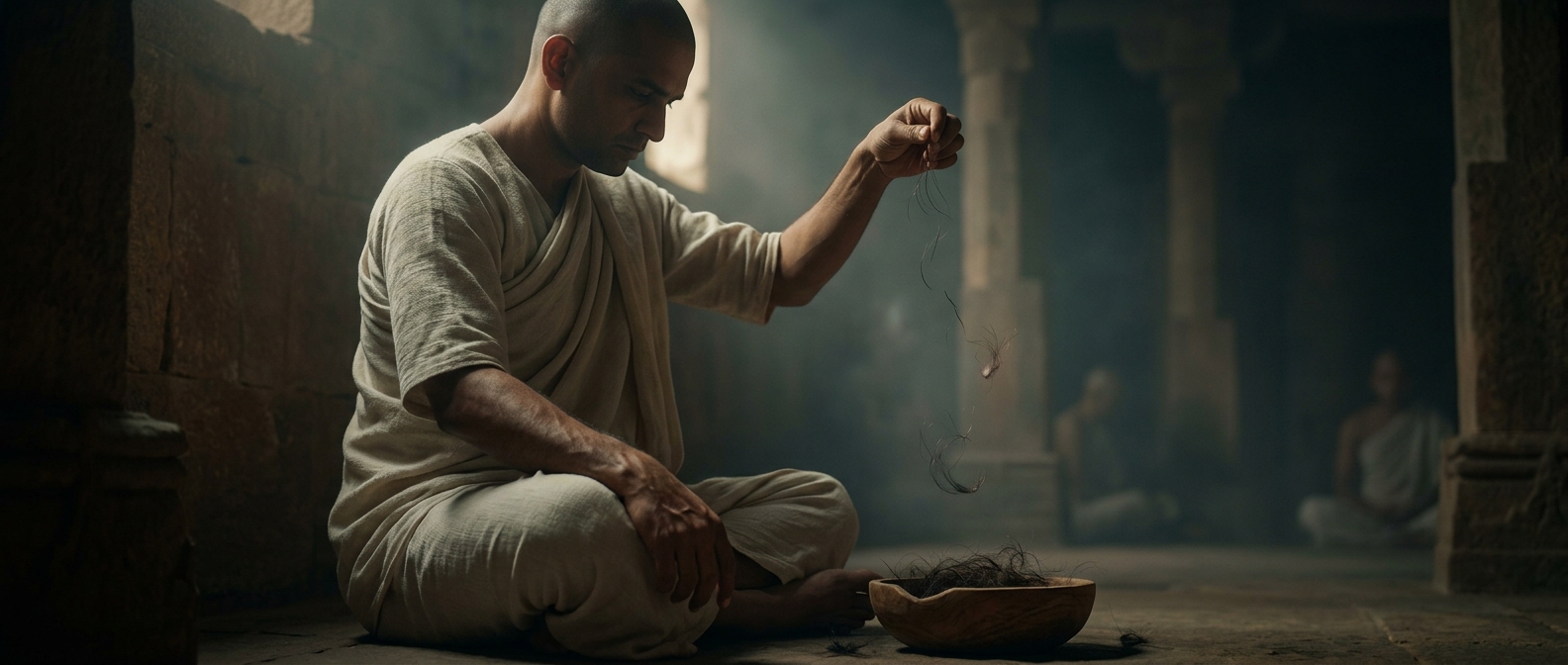
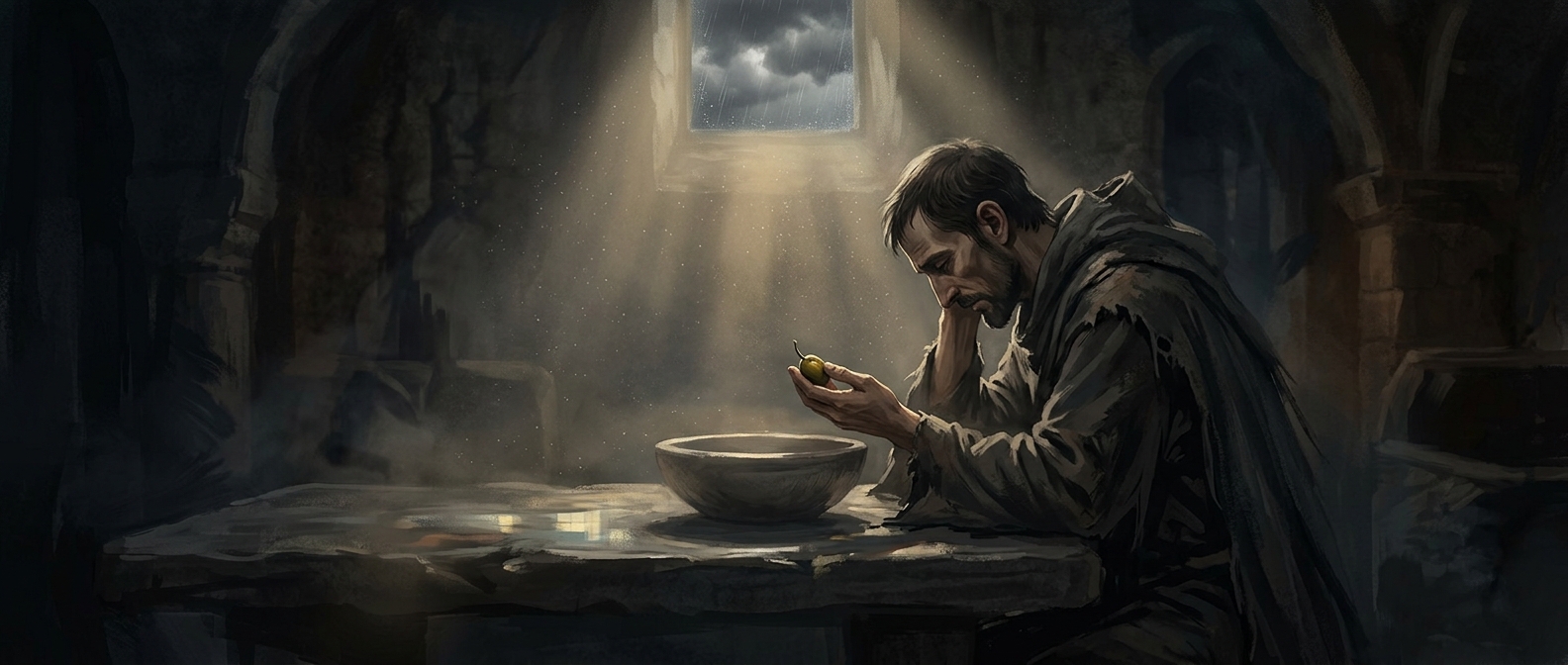
“Eremitic” means living as a hermit, apart from ordinary communal life. For Christian ascetics who chose this path, withdrawal was meant to make prayer and self-discipline the center of daily life. Silence could help limit distraction, while the hardships of a remote dwelling tested a monk’s ability to withstand discomfort and loneliness.
That made endurance visible. A person who seemed able to live with fewer comforts and less human contact could be admired as unusually committed. In that sense, monks might push one another toward more extreme forms of withdrawal—not in a formal contest, but within a culture that treated hardship as evidence of spiritual seriousness.
A Solitary Life Was Not Always a Life Without People
Hermits were not necessarily cut off from every human connection. Solitude could be part of a wider religious world, with other ascetics nearby or occasional contact with visitors. The tension mattered: a monk sought distance from everyday social life, yet his example could gain meaning precisely because other people heard about it.
So the “competition” was less about winning a measurable prize than about proving how much a person could give up. The farther the withdrawal went, the more starkly it expressed the ideal—and the more difficult it could be to sustain.