When a Puzzle Came With a Smell
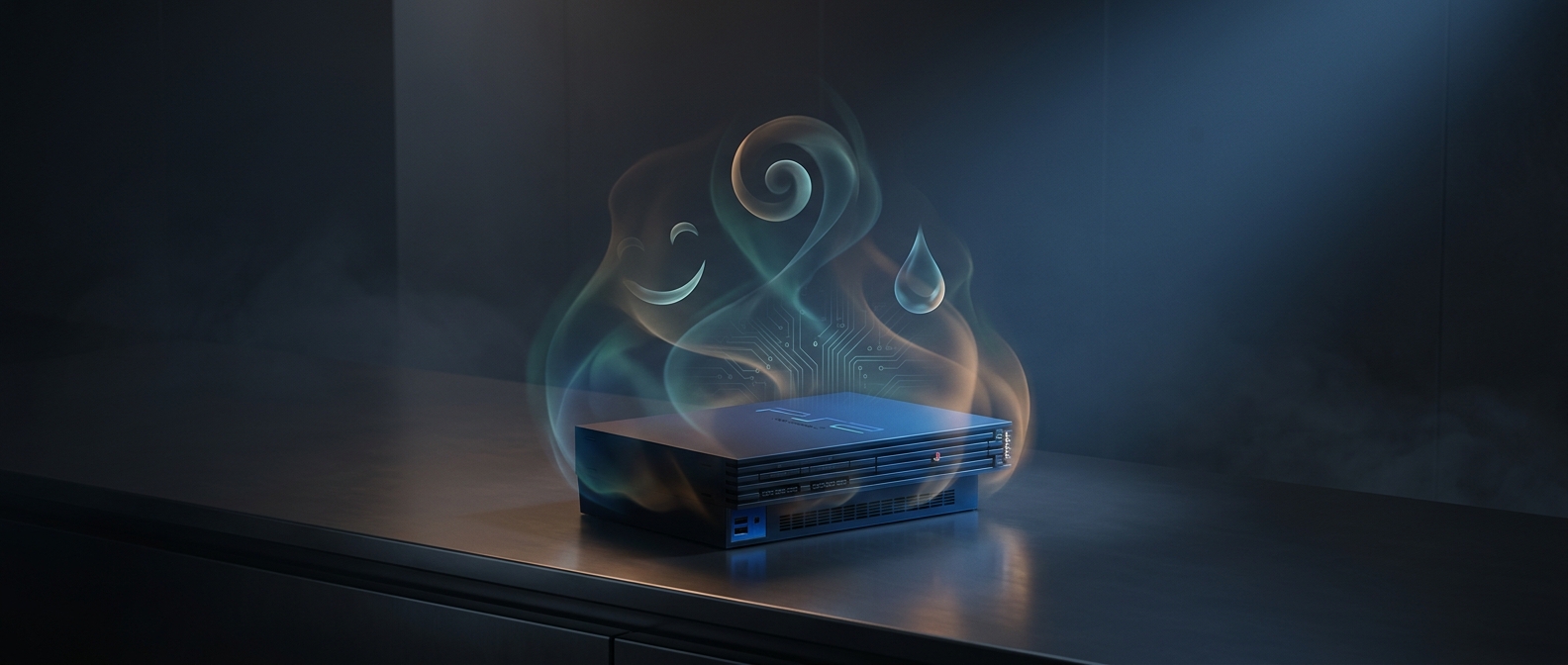
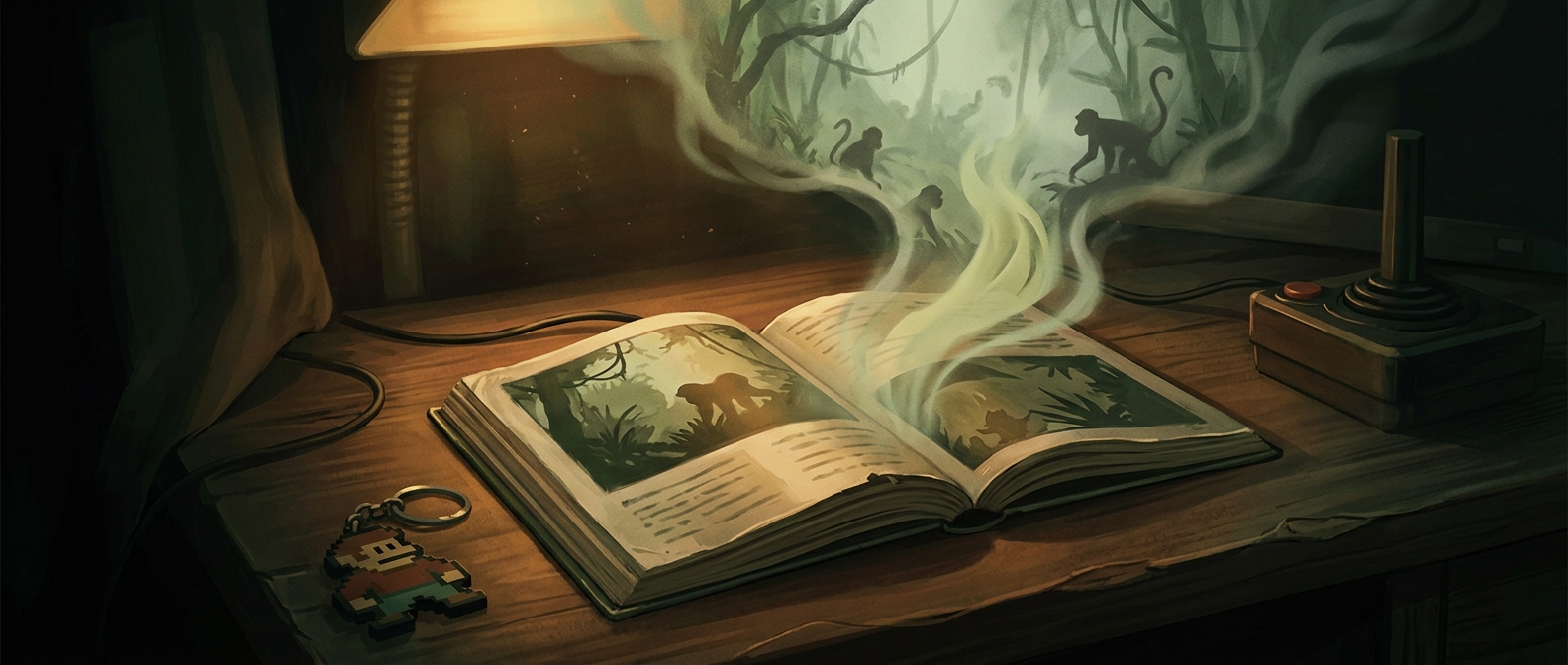
Some game clues were meant to be scratched, not just read. A guide’s scratch-and-sniff patches carried odors including decaying garbage and dirty monkeys; players used the resulting smells to work through cryptic puzzles. The guide turned a page into part of the game’s sensory equipment, adding a clue that words and pictures alone could not deliver.
How Scratch-and-Sniff Works
A scented patch holds tiny capsules of fragrance. Rubbing the surface breaks some of them open, releasing the odor. That makes the clue interactive: the player has to find the patch and scratch it before the information becomes available.
Smell is a useful fit for a puzzle because it can suggest a place, creature, or condition without naming it. But it is also an imprecise medium: one person’s idea of a foul or animal-like odor may differ from another’s. The puzzle therefore depended on players connecting the sensation to its context, rather than treating the smell as a precise label.
A Clue You Couldn’t Get From the Screen
The patches made solving a game briefly physical. Instead of simply seeing a description of garbage or a dirty animal, players encountered an odor and had to interpret it. That small detour could make a cryptic clue memorable—and gave the guide a role beyond explaining the game: it could deliver part of the puzzle itself.