Why familiar faces changed the pitch
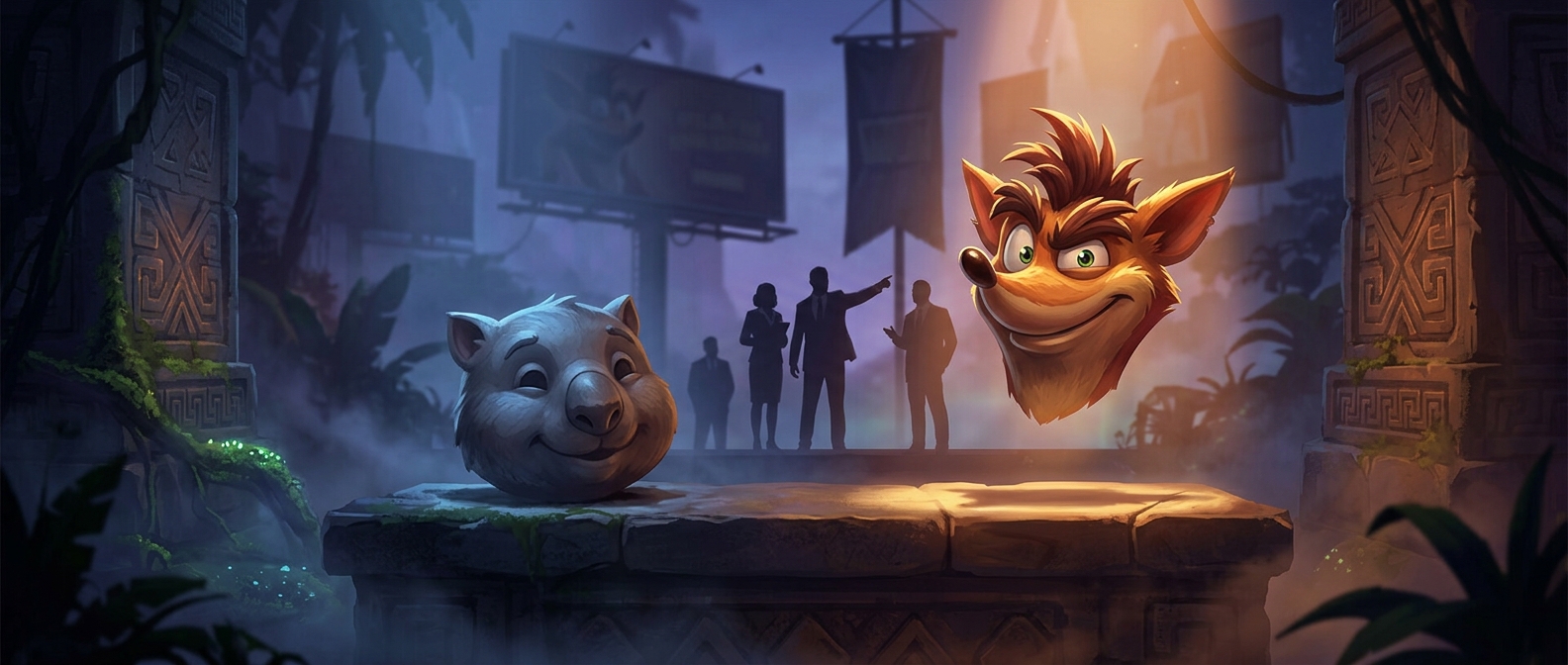
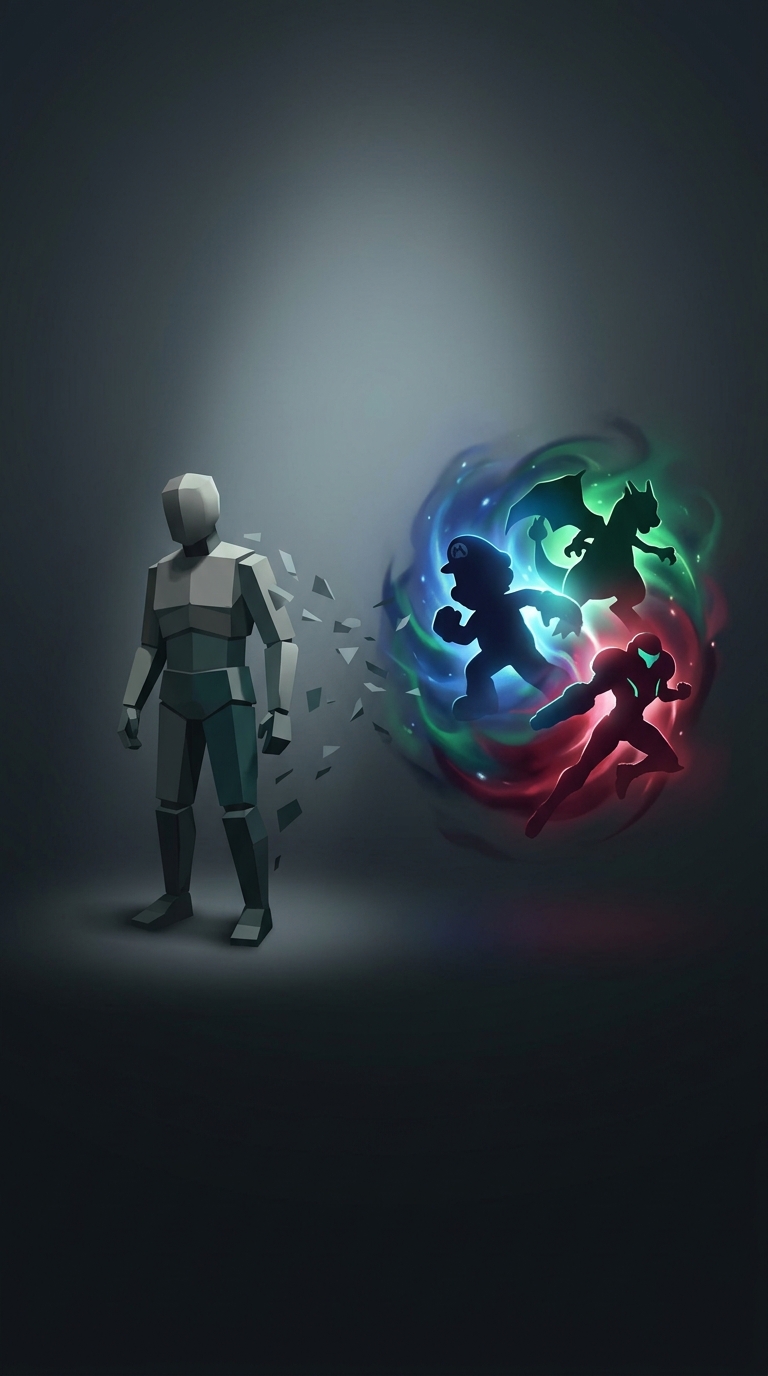
A fighting game built around unfamiliar, bare-bones characters has a basic problem: players must learn both the rules and who they are looking at. Nintendo characters offered instant recognition. A player could bring expectations about Mario or Donkey Kong to the match before learning a single move, while each character’s silhouette and animations could make the action easier to follow.
That did not make the idea an obvious sell. Putting Nintendo’s established characters into a new kind of fighting game meant asking whether they belonged in that setting—and whether the concept should be judged as more than a roster of cameos. The pitch had to work as a game, not merely as a lineup.
The combat needed its own identity
The finished design gave the project a different rhythm from a conventional fighter. Instead of winning by draining an opponent’s health bar, players build up damage; the more damage a character takes, the farther a hit can launch them. The immediate objective is to knock opponents off the stage, so position and recovery matter as much as landing attacks.
That rule also made the roster more than decoration. Characters could feel distinct through their movement, attacks, and ability to get back onto the platform, while the familiar cast helped players read those differences. The shift from generic fighters to Nintendo icons was therefore tied to a larger design challenge: making a new kind of brawl understandable at a glance.
The prototype’s rough figures were a starting point, not the identity of the game. The recognizable characters helped turn an abstract fighting-game concept into something players could grasp before they knew its rules.