Why the same helicopter shot reaches every broadcaster
A road race stretches across a long, shifting route. No single television crew can conveniently follow every breakaway, climb, and sprint from the ground, so helicopters provide a moving view from above. But sending each helicopter’s pictures separately to every broadcaster would multiply the communications work in the air.
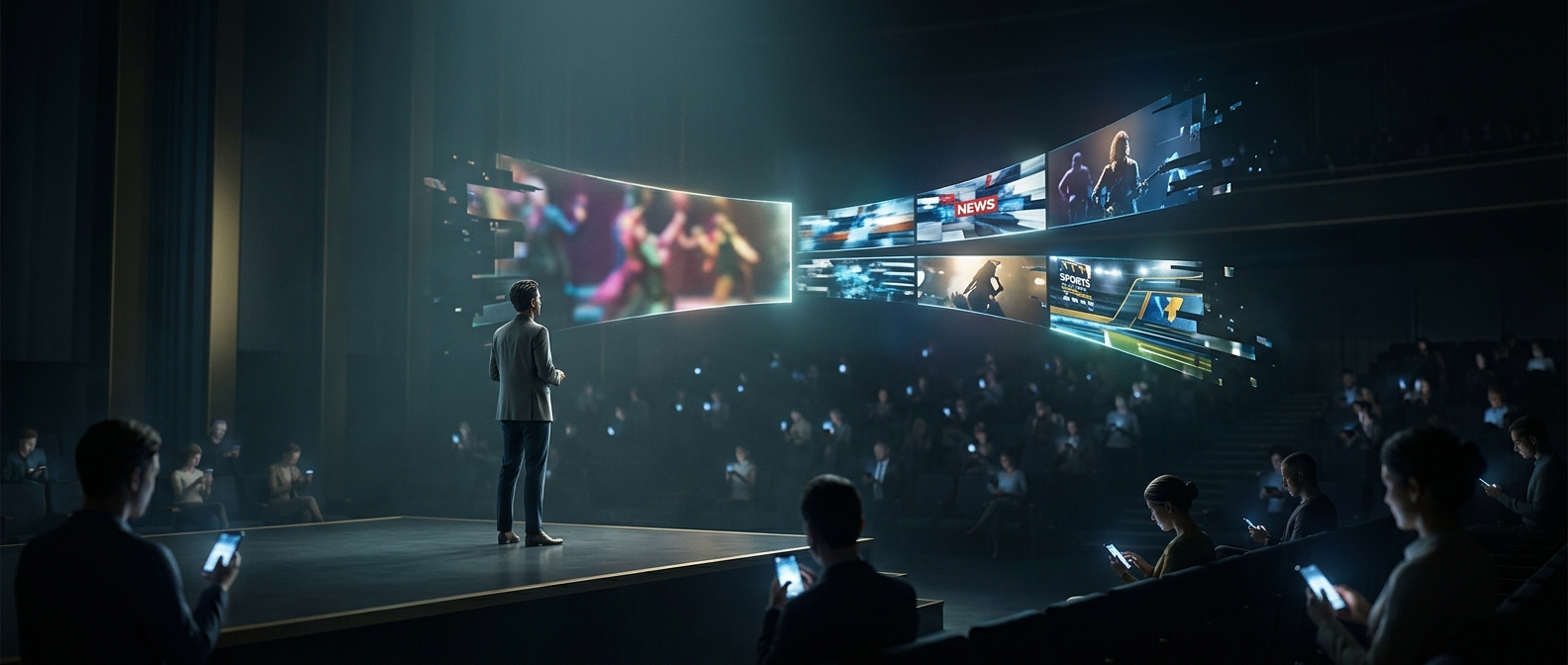
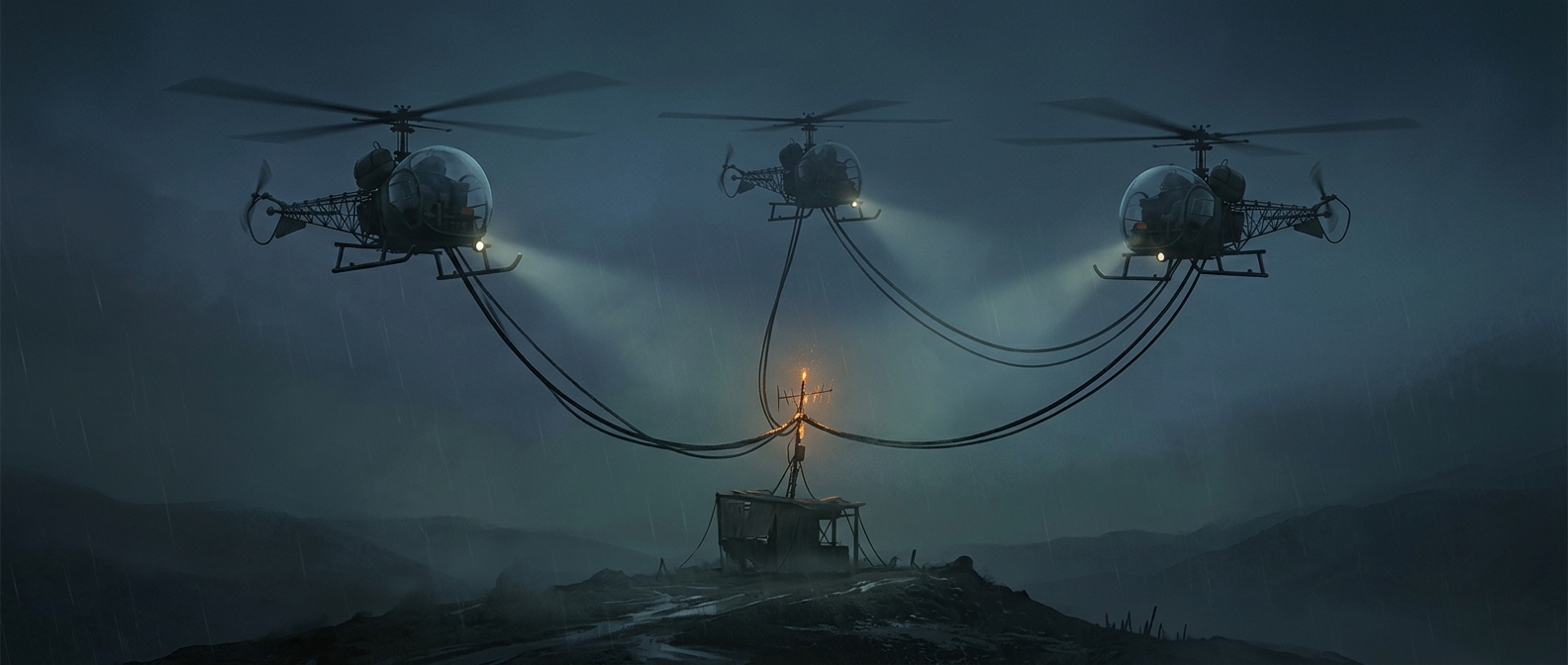
Instead, the aerial cameras feed a common relay. That relay gathers the pictures and passes them on for distribution. Broadcasters can build their own programs around the shared images—with their own commentary and presentation—but they are drawing from the same pool of helicopter footage. When one aircraft finds a dramatic view, audiences in different countries may see that same view at nearly the same time.
The tradeoff behind a shared picture
Pooling footage makes wide-area coverage practical, but it also means broadcasters have less control over what the aerial cameras show. A camera operator must choose what to follow amid a race that may spread across miles; a producer watching the common feed cannot simply summon a separate helicopter to another part of the course. The pictures are useful precisely because they are shared, but that limits how individually tailored they can be.
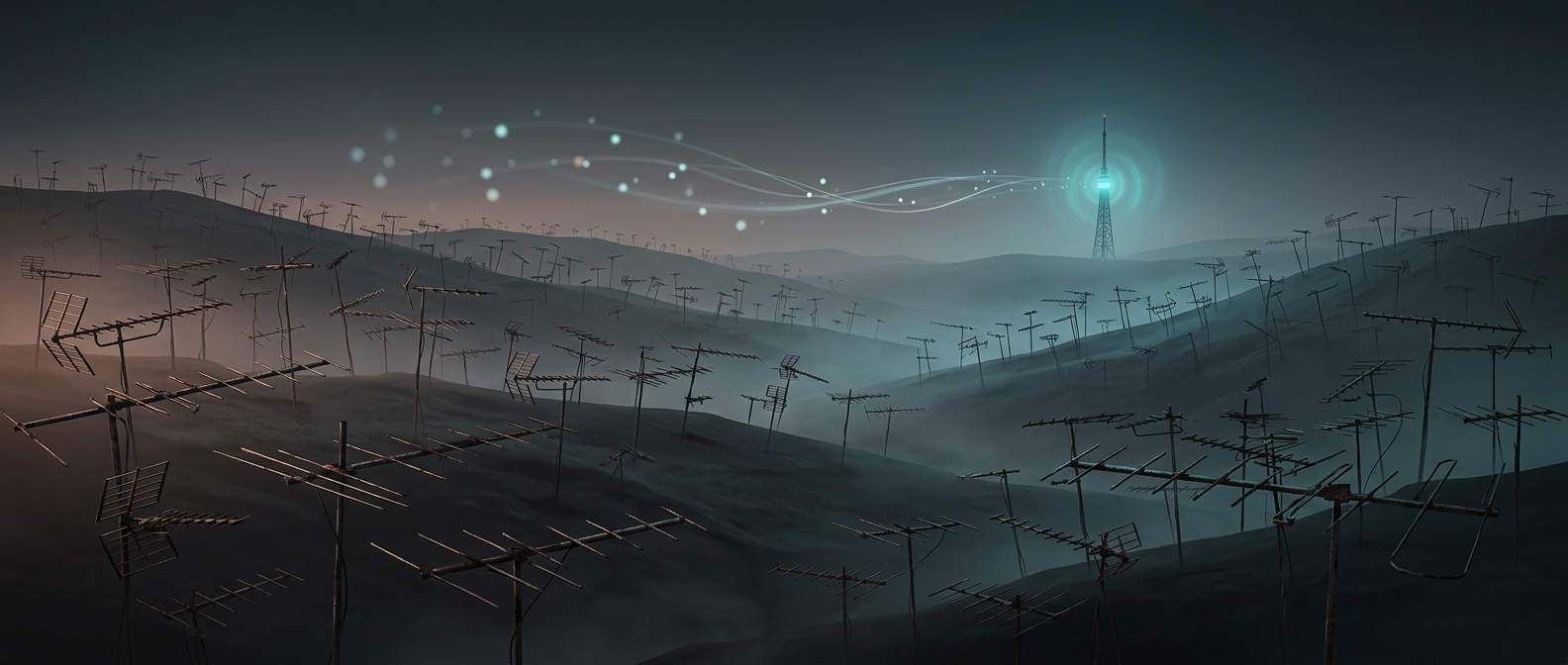
The link from a moving aircraft to a relay also has to work across changing distances and terrain. If the aerial picture falters, the result can affect every broadcaster relying on that feed—not just one network. The system’s bargain is straightforward: one coordinated aerial operation gives many broadcasters a view of the race, but also gives them many of the same blind spots.