A working waterway becomes a slow itinerary
The Canal du Midi was built to move cargo across southern France by linking Toulouse with the Mediterranean. Its locks—water-filled chambers that raise or lower boats between stretches at different heights—made the route usable across uneven ground. They also set the rhythm of a trip: boats must enter a lock, wait while the water level changes, then continue.
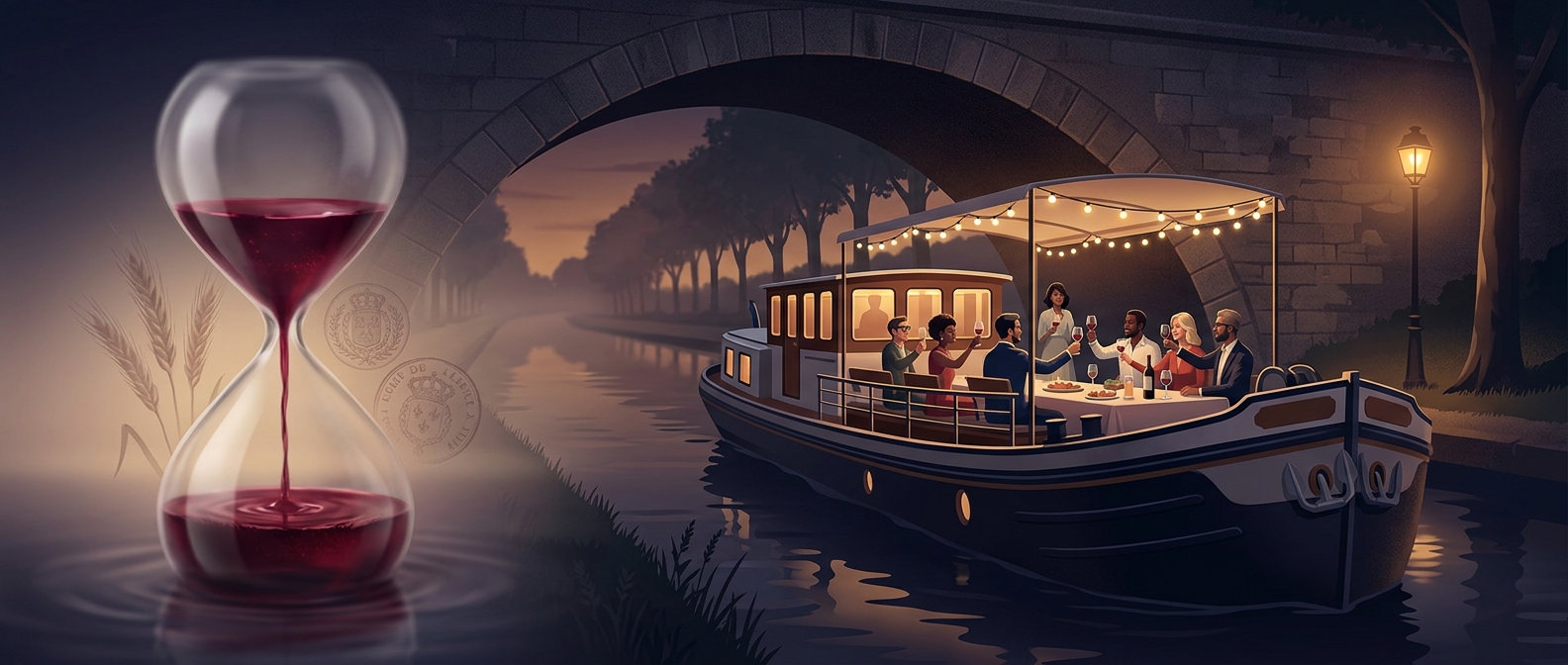
That same infrastructure shapes the canal’s appeal today. A rented barge travels slowly, and each lock turns distance into a sequence of small, hands-on stages rather than a straight dash from one destination to the next.
The canal itself is part of the journey
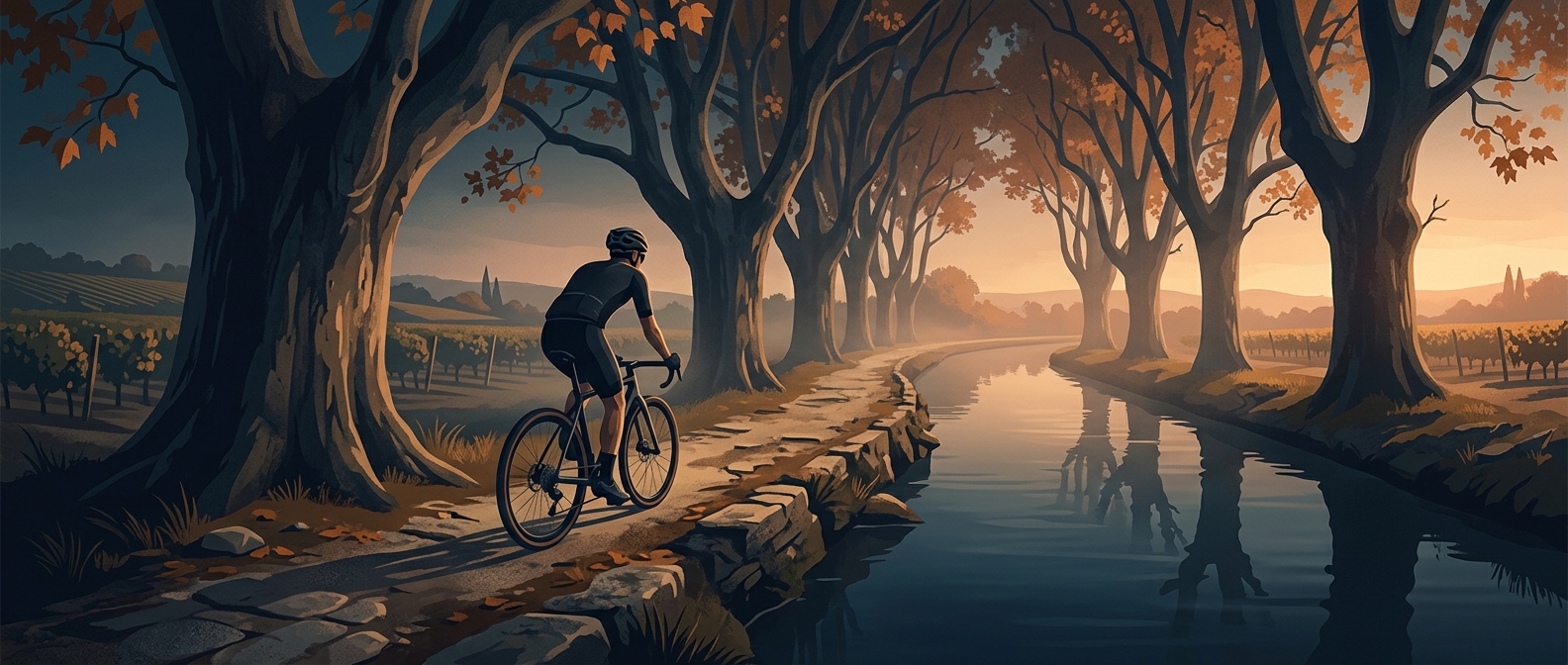
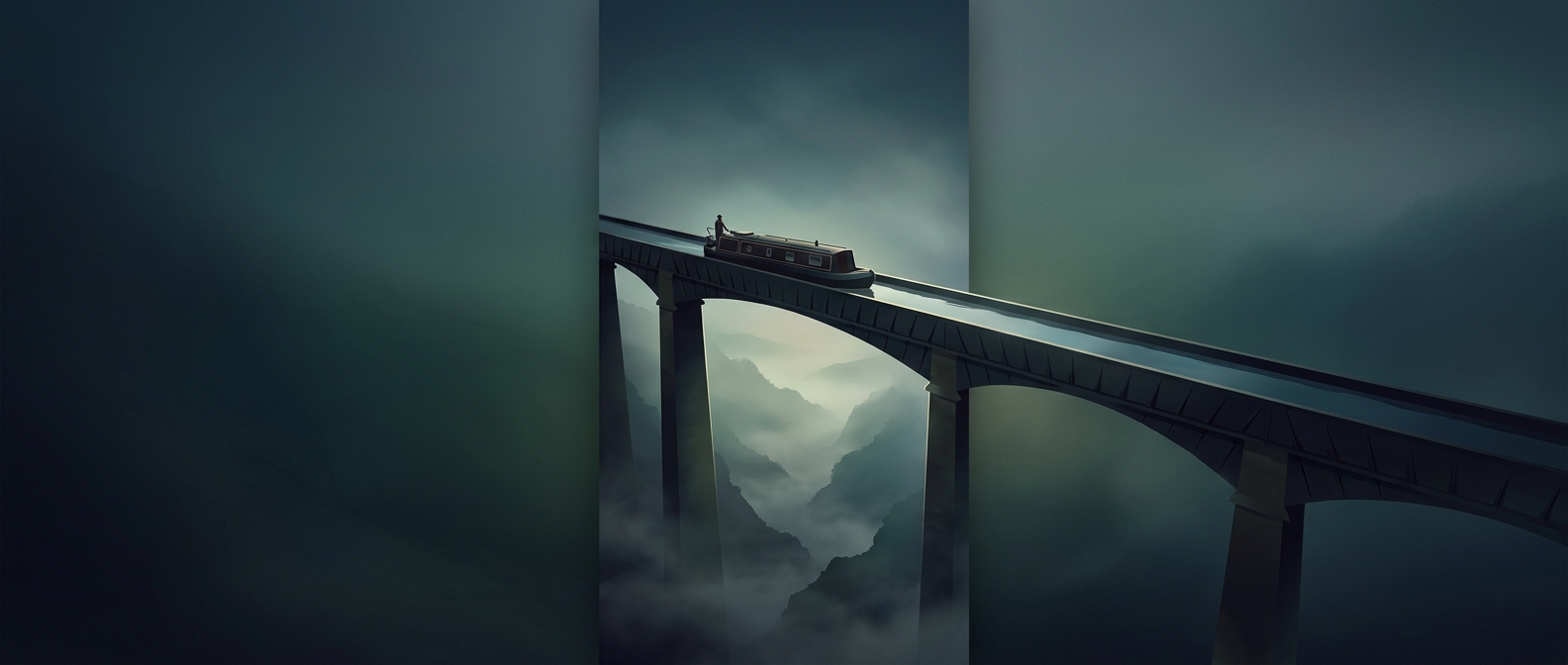
On land, roads and railways let travelers pass through a region quickly. On the canal, the route keeps them close to its banks, where old towpaths, villages, and changing landscapes unfold at boat speed. Passing through locks also makes the canal’s original purpose visible: this is a transport system built around water, gravity, and carefully managed changes in elevation.
The shift from cargo to leisure did not require the canal to become something entirely new. Its working features still govern how a boat moves; they simply give visitors a different reason to take the trip. A journey measured in locks and unhurried stretches of water makes the infrastructure—not just the destination—part of the holiday.