The Pattern Interrupt: A Small Change That Resets Attention
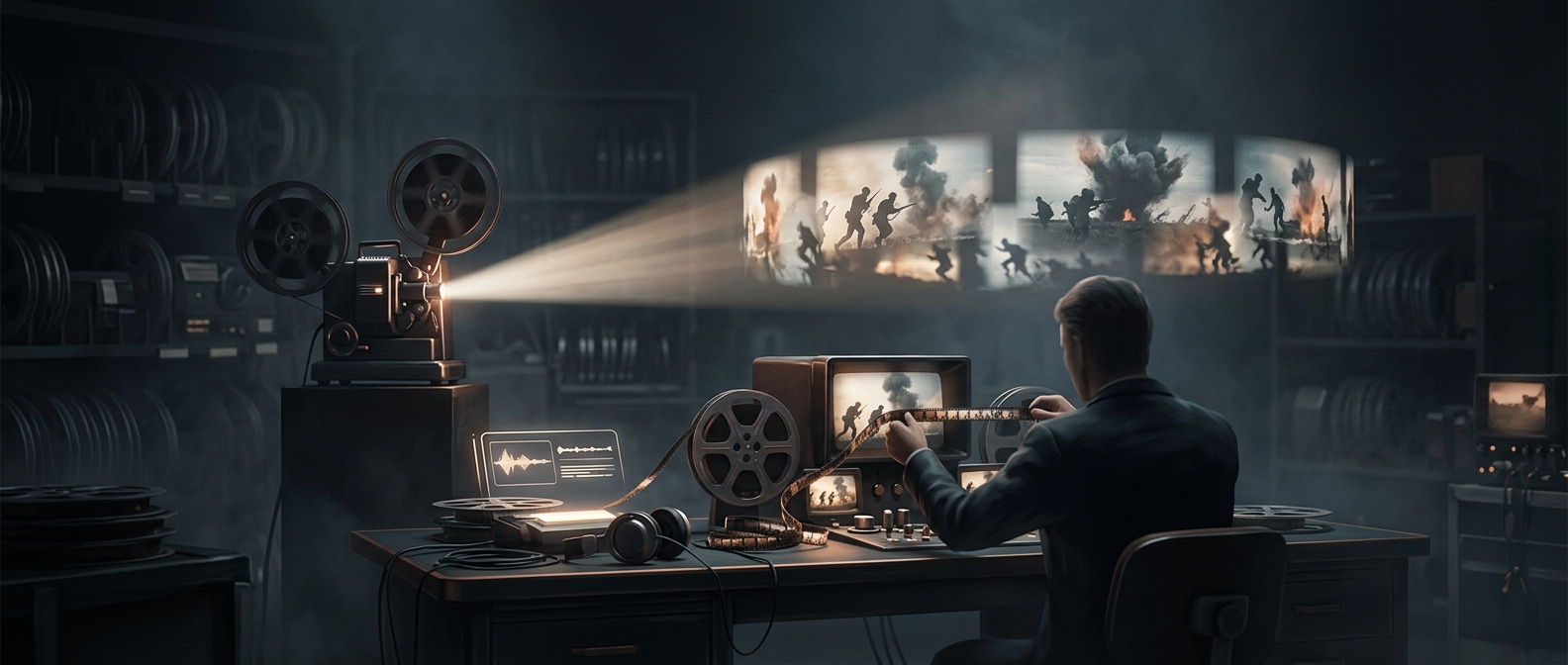
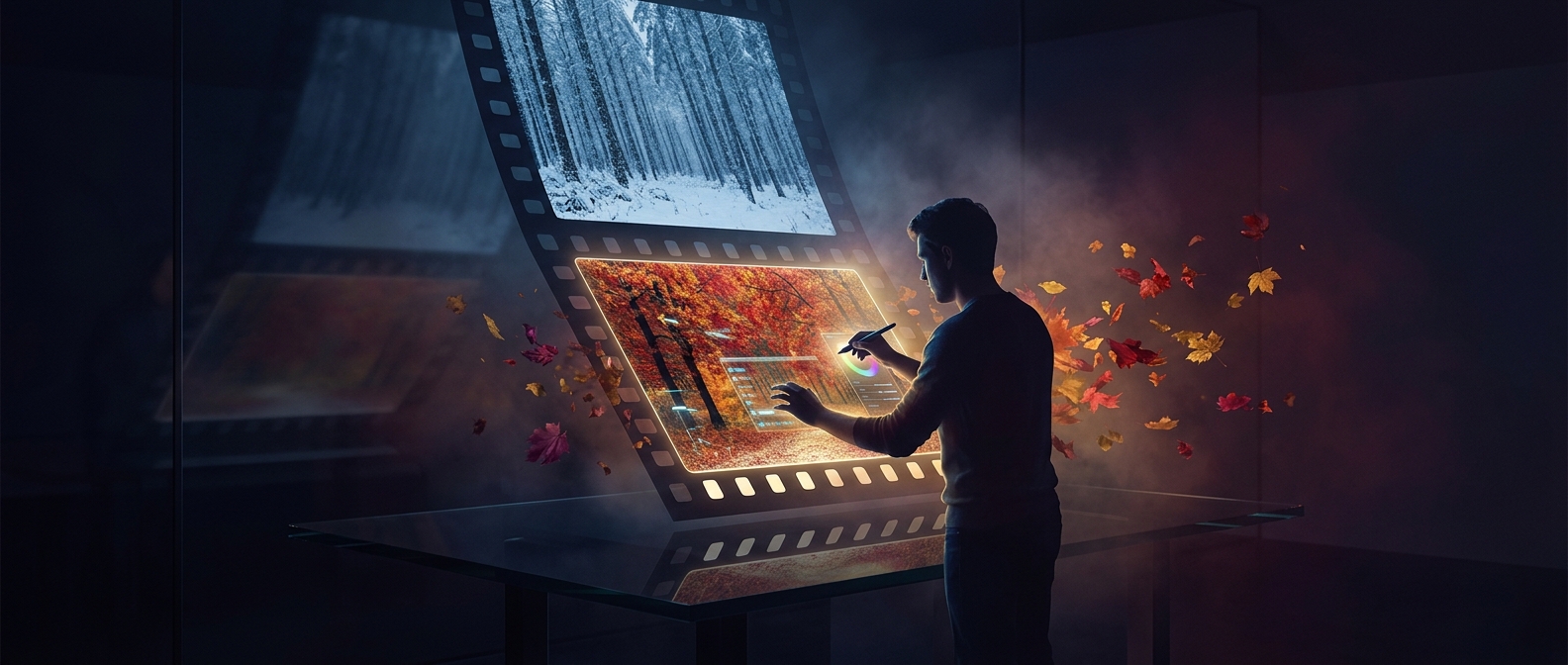
A common short-form editing tactic is the pattern interrupt: a deliberate change in what the viewer sees or hears before a shot has time to feel static. It might be a cut to a close-up, a new camera angle, a word appearing on screen, or a brief sound effect. The change gives the eye and ear something fresh to process, helping the video feel active as it moves toward its next point.
Why It Can Help—and Why Timing Matters
People often watch short videos while scrolling through a crowded feed, so the opening has little time to establish why a clip is worth staying for. A purposeful visual shift can make a key moment easier to notice and renew interest during an explanation. But cuts alone do not supply a reason to keep watching. If each change is unrelated to the story, the result can feel noisy rather than compelling.
Editors therefore tie interruptions to meaning: a close-up when a detail matters, a graphic when a number is introduced, or a sound cue when the scene turns. The rhythm should follow the idea, not a rigid timer. A quiet beat can even hold attention when viewers are waiting for a reveal.
No Guaranteed Anti-Swipe Trick
Pattern interrupts are a practical tool, not a universal guarantee. Whether viewers stay also depends on the opening, the subject, the pacing, and whether the video delivers what it promises. The useful principle is simple: make changes earn their place by clarifying or advancing the moment. That is what separates an intentional edit from motion added merely to keep the screen busy.