Why a Tandem Has a Front Seat and a Rear Seat
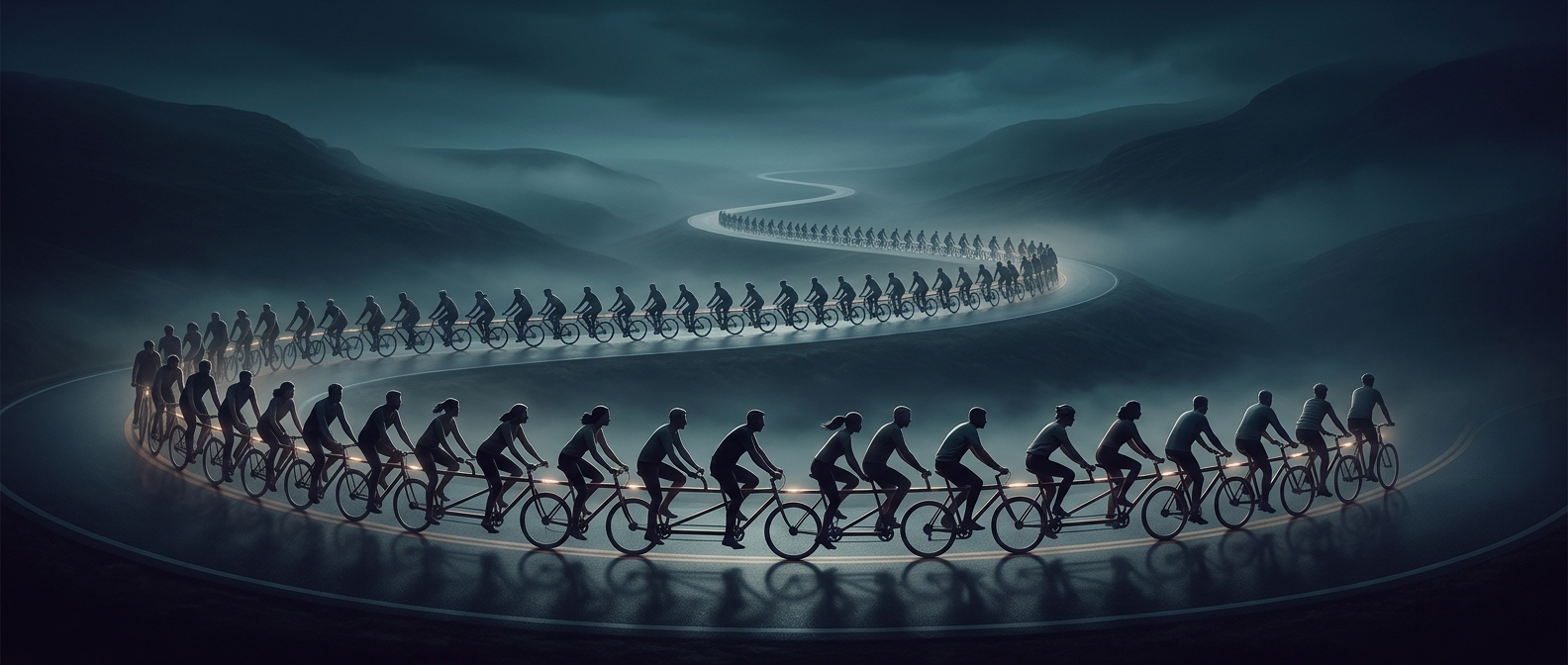
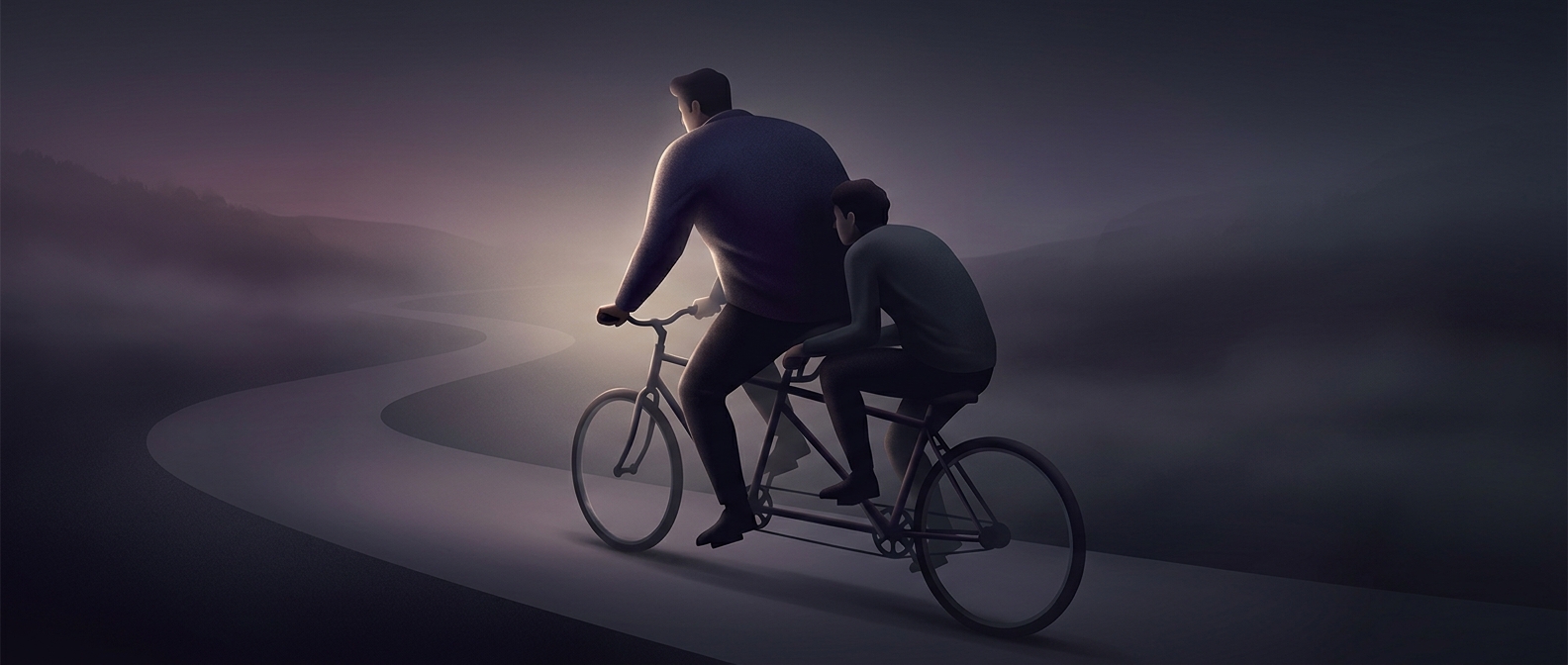
A tandem is built around one shared frame and one front wheel to steer. The rider in front—often called the captain—has the handlebars and usually the brakes, so that seat must be positioned to give a clear view of the road. The second rider, the stoker, sits behind and adds pedal power without needing a separate steering setup.
The riders’ cranks are linked by a chain, which keeps their pedaling coordinated. That lets the bicycle carry two people’s effort while following one steering line. But arranging both riders in a row also fixes what each can see: the stoker’s view is largely shaped by the captain’s position, not by an independent choice of direction.
A Tradeoff Built Into the Layout
Putting the steering rider in front makes the controls practical to reach and leaves the rear rider free to concentrate on pedaling. The cost is an uneven view of the ride. A stoker may be able to see around the captain or past a shoulder, depending on the riders and the bicycle, but cannot simply turn a separate handlebar to change the sightline.
That makes communication part of tandem riding. The captain handles the immediate decisions about steering and braking, while the stoker’s power helps move the whole bicycle. Two people share the work, but only one sits at the controls—and the scenery is not shared equally.