A bicycle stretched to bus length
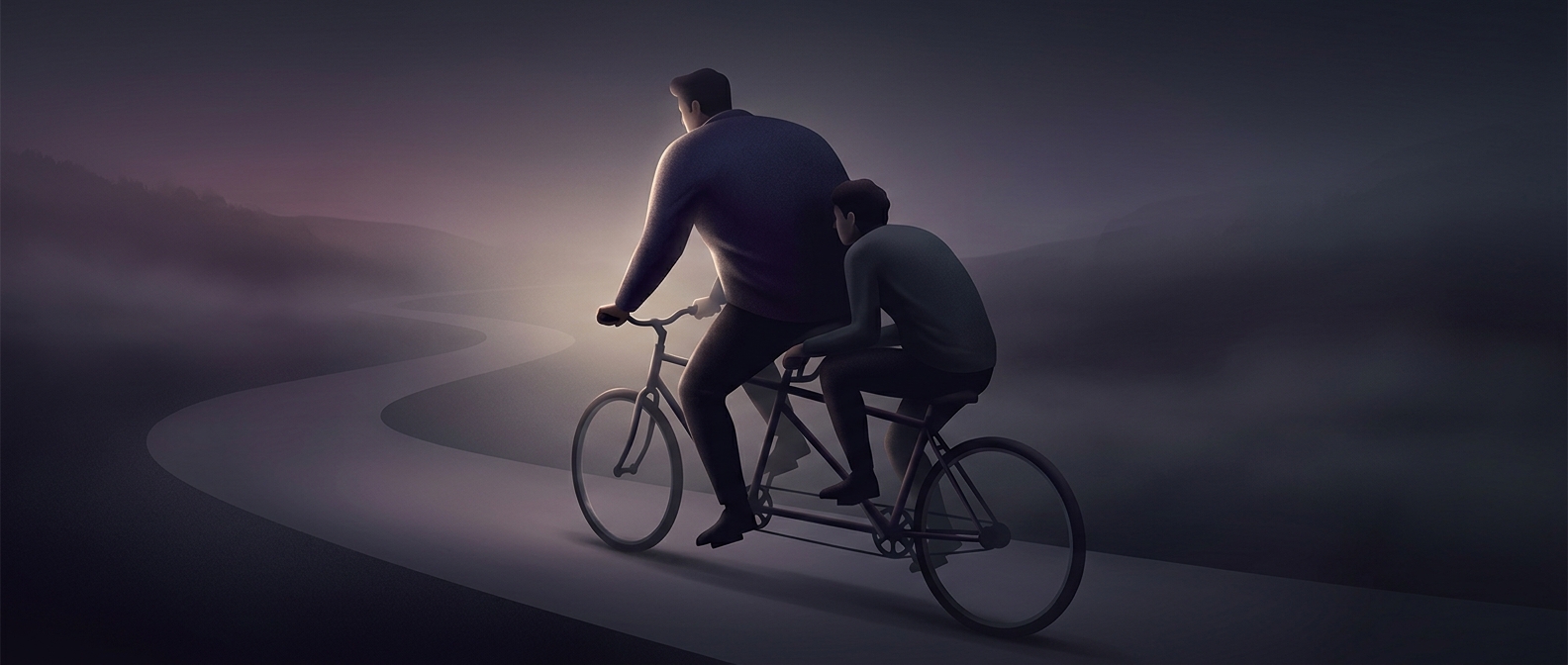
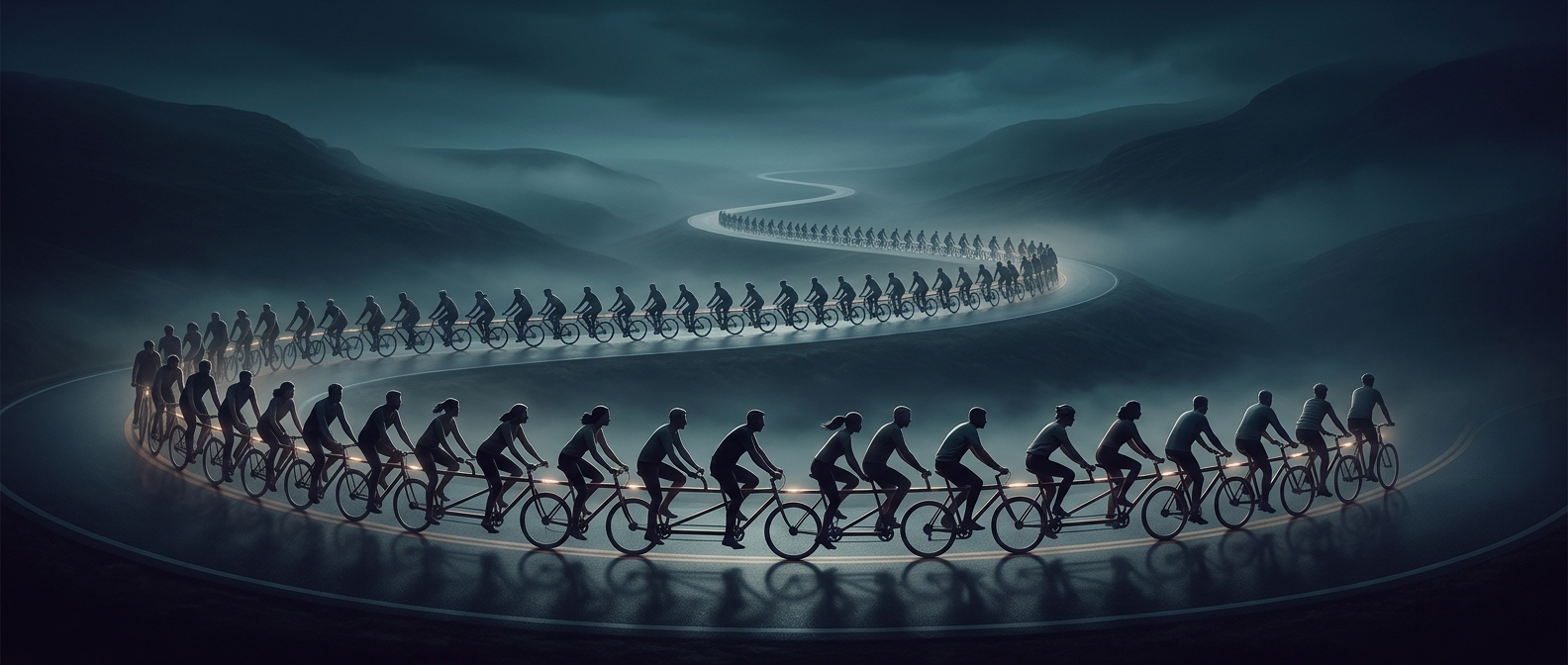
At nearly 66 feet long, a bicycle carrying 35 riders is not simply a standard bike with extra seats. Its length changes the basic problem of riding: the people pedaling must move a long, connected structure while someone guides it through turns and keeps it balanced.
Each rider can contribute force through the pedals, but that force is useful only if it reaches the wheels. A shared bicycle drivetrain links pedaling to wheel motion, so the riders are effectively supplying power to one vehicle rather than riding independently. The more people aboard, the more potential power—and the more coordination needed to apply it smoothly.
Why teamwork becomes engineering
A long frame responds differently from a short bicycle. Its front and rear wheels are far apart, so a turn requires the whole machine to follow a broad path. The rider steering at the front has to account for the people and wheels trailing behind; a quick change of direction at the front cannot make the rear end follow instantly.
Starting and stopping also demand cooperation. If some riders push hard while others hesitate, the effort arrives unevenly. That can make the ride uncomfortable and complicate control, especially at low speeds, when a bicycle is harder to balance. A steady cadence—pedaling at a consistent rhythm—helps turn many individual efforts into one smoother push.
A moving demonstration of shared control
The striking part is not just that 35 people can pedal together. It is that their power has to be gathered into a vehicle that still behaves like a single bicycle. The long frame makes every turn and change of pace a group decision in practice: the riders may have separate pedals, but the machine has one path to follow.