The wilderness has a production schedule
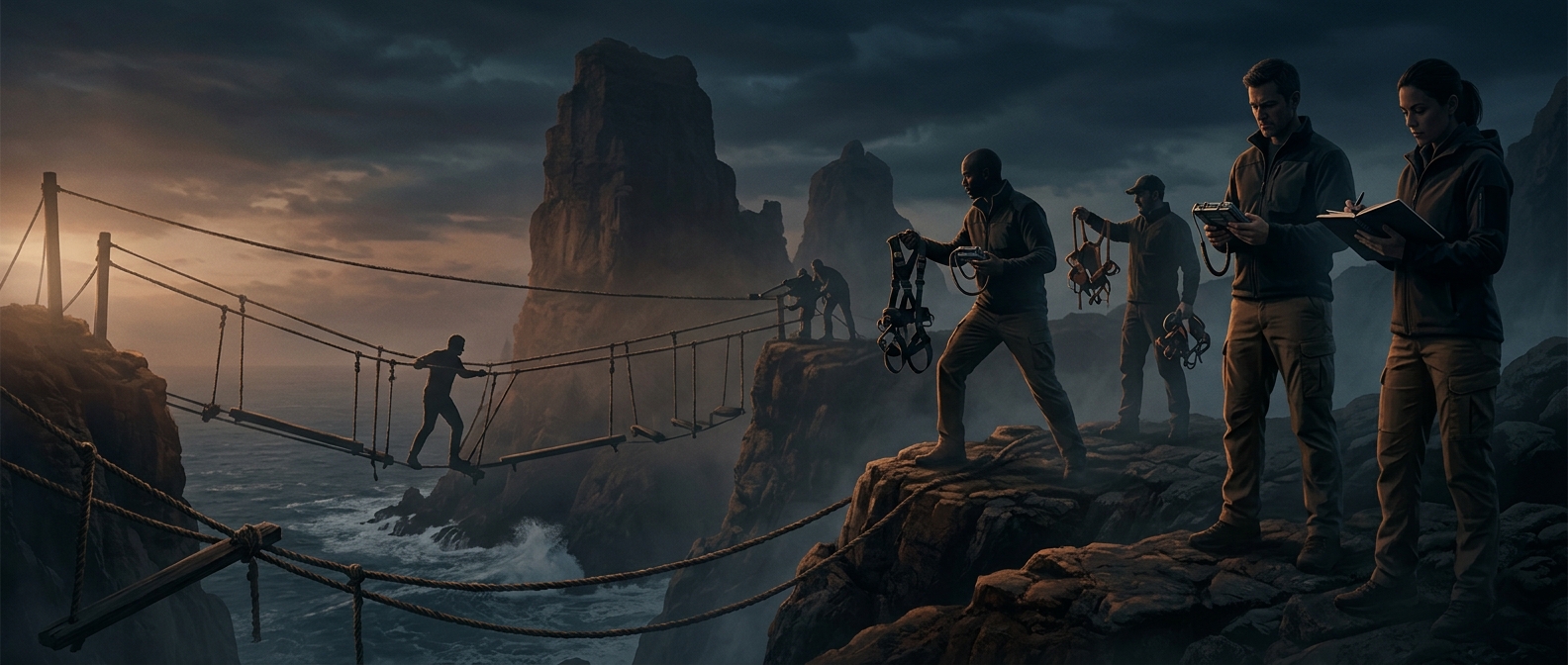
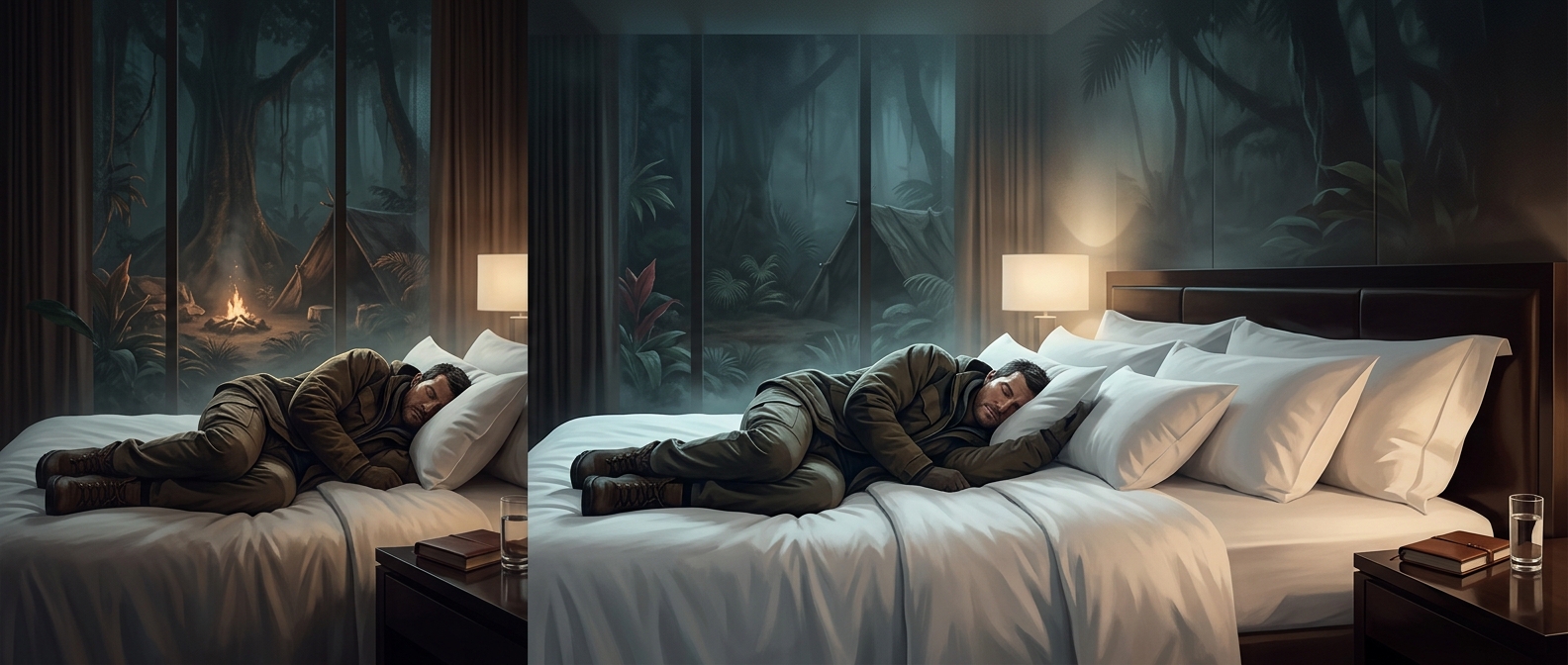
A survival show may look like an uninterrupted test of endurance, but filming is a work operation with people, equipment, and logistical limits. A crew has to reach the location, record usable footage, manage cameras and sound, and keep track of contestants. When the day’s filming ends, returning to a nearby lodge can be more practical than keeping everyone exposed outdoors overnight.
That does not make the daytime challenge imaginary. Contestants may still have to navigate, find food, or endure difficult conditions on camera. It means the show’s central test can be real while the conditions between filming sessions are less extreme than the edited story suggests.
Editing can make separate days feel continuous
Television compresses time. Footage recorded across multiple days can be arranged to build one sustained arc, while overnight breaks and travel back to a base are left out because they do not advance the episode’s drama. Viewers may therefore see a sequence that feels like a continuous wilderness ordeal without seeing every pause in production.
The distinction matters: “survival” describes the challenge contestants face within the format, not necessarily every hour they spend during filming. A hotel stay can sit just outside the part of the experience the cameras are telling as a story.