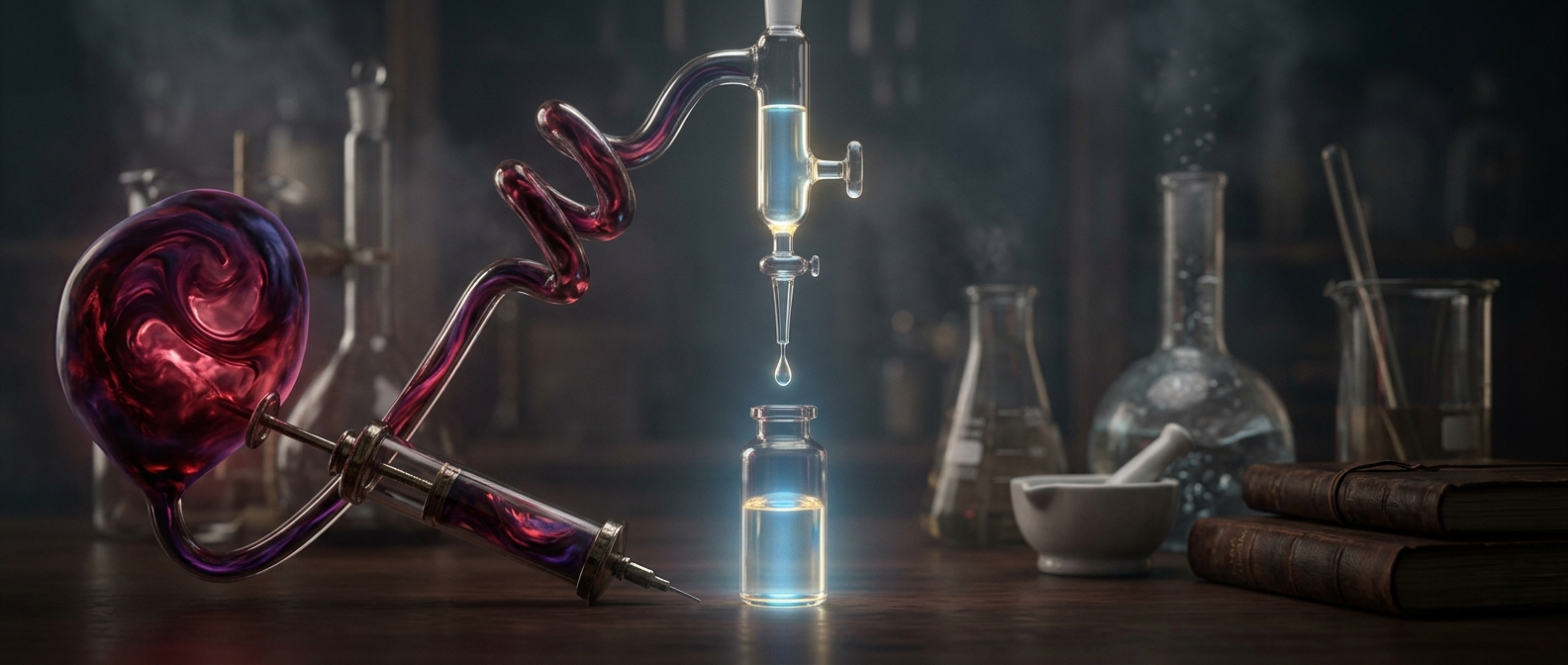
How horseshoe-crab blood spots bacterial toxins
Horseshoe-crab blood is blue because it uses a copper-containing oxygen carrier, rather than the iron-based hemoglobin found in human blood. Its medical value comes from a different component: amebocytes, immune cells that react to endotoxins—heat-resistant molecules found in the outer membrane of many disease-causing bacteria.
When amebocytes encounter these toxins, proteins in the blood rapidly set off a chain reaction that turns liquid into a gel-like clot. In a laboratory test, a sample of a medicine or equipment rinse is mixed with a prepared reagent made from these cells. Clotting signals that endotoxin is present; the response can be measured to estimate how much.
A sensitive test with a specific target
Endotoxins can trigger dangerous reactions in people even when bacteria are dead, so sterilizing a product does not necessarily remove the concern. The test is valued for detecting tiny amounts of these bacterial residues in products such as injectable medicines and on medical devices.
But the reaction is not a universal sterility check. It detects endotoxins, not every bacterium, virus, fungus, or other contaminant. Different tests are needed to assess those risks. The distinction matters: a product can test negative for endotoxin without that result proving it is free of all contamination.
The cost behind the reagent
To obtain the blood, crabs are collected, partially bled, and then returned to the water. Returning them does not ensure survival: bleeding and handling can stress or weaken animals, and some die afterward. The test’s sensitivity therefore comes with a biological cost—and one that a laboratory result cannot reveal. A vial may indicate that a product meets a specific endotoxin check, while saying nothing about the crab whose cells helped make that check possible.