A royal pause at the City’s edge
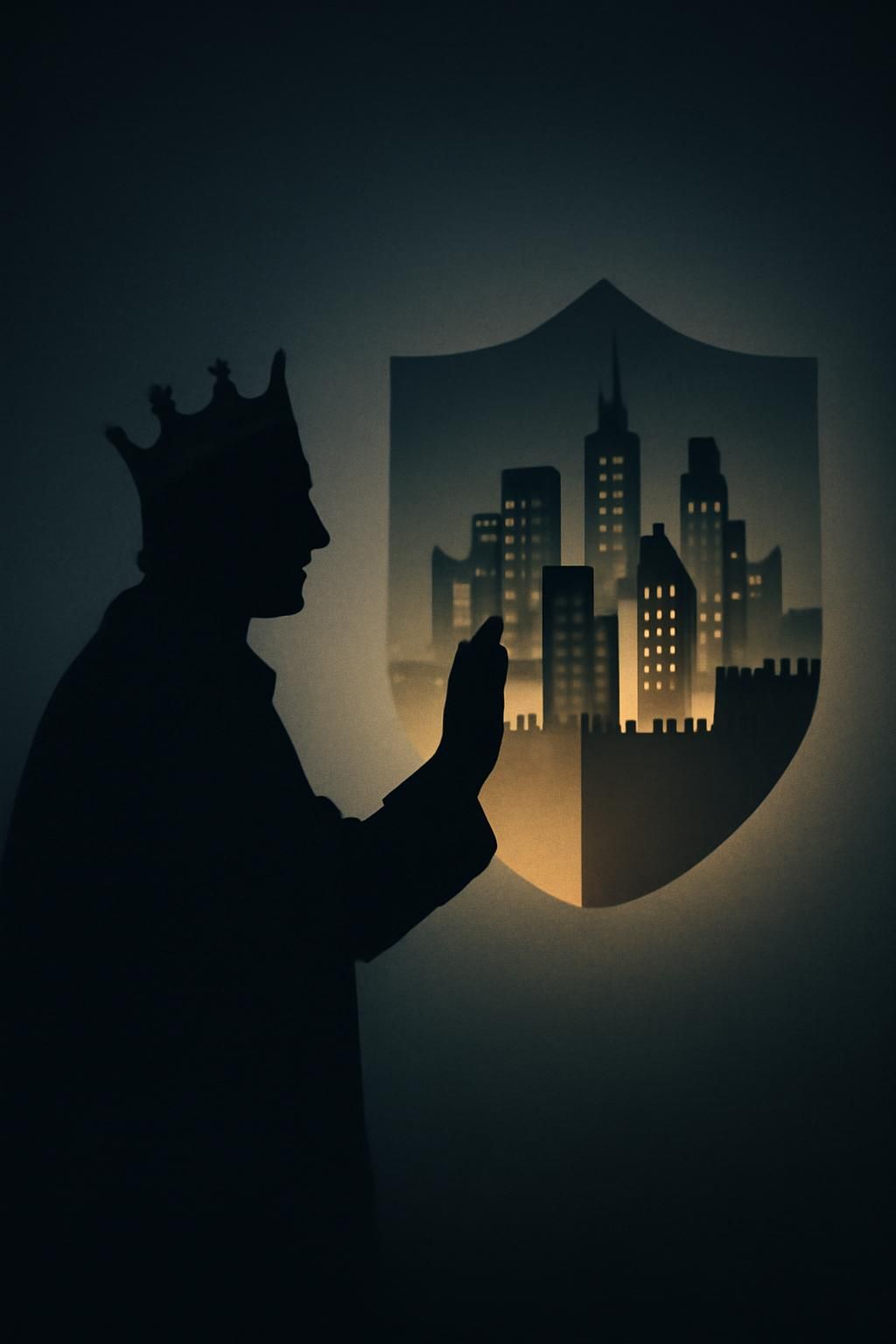
The ceremony made a political point in public: the City of London was not simply a royal district administered like the king’s household lands. It had its own civic government, led by the Lord Mayor, and a long history of privileges and self-rule. A monarch’s formal reception at the boundary acknowledged that distinct status before entering.
That pause was ceremonial, not a claim that the sovereign was physically barred from London. The message was that entry should be marked by recognition of the City’s institutions. The Lord Mayor represented a civic authority that could welcome the Crown without being merely its local representative.
Why the City had a boundary of its own
“London” can mean the vast modern metropolis, but the City of London is its much smaller historic core, with its own corporation and civic offices. Over centuries, royal grants and confirmations helped preserve the City’s rights and local government. That arrangement made the relationship between Crown and City one of negotiated authority as well as royal power.
The greeting turned that constitutional relationship into a visible encounter: the monarch stopped, the Lord Mayor received him, and the royal procession continued. The important detail was not a locked gate, but the pause itself—an acknowledgment that even at the heart of the capital, civic authority had its own standing.