How city fires became building rules
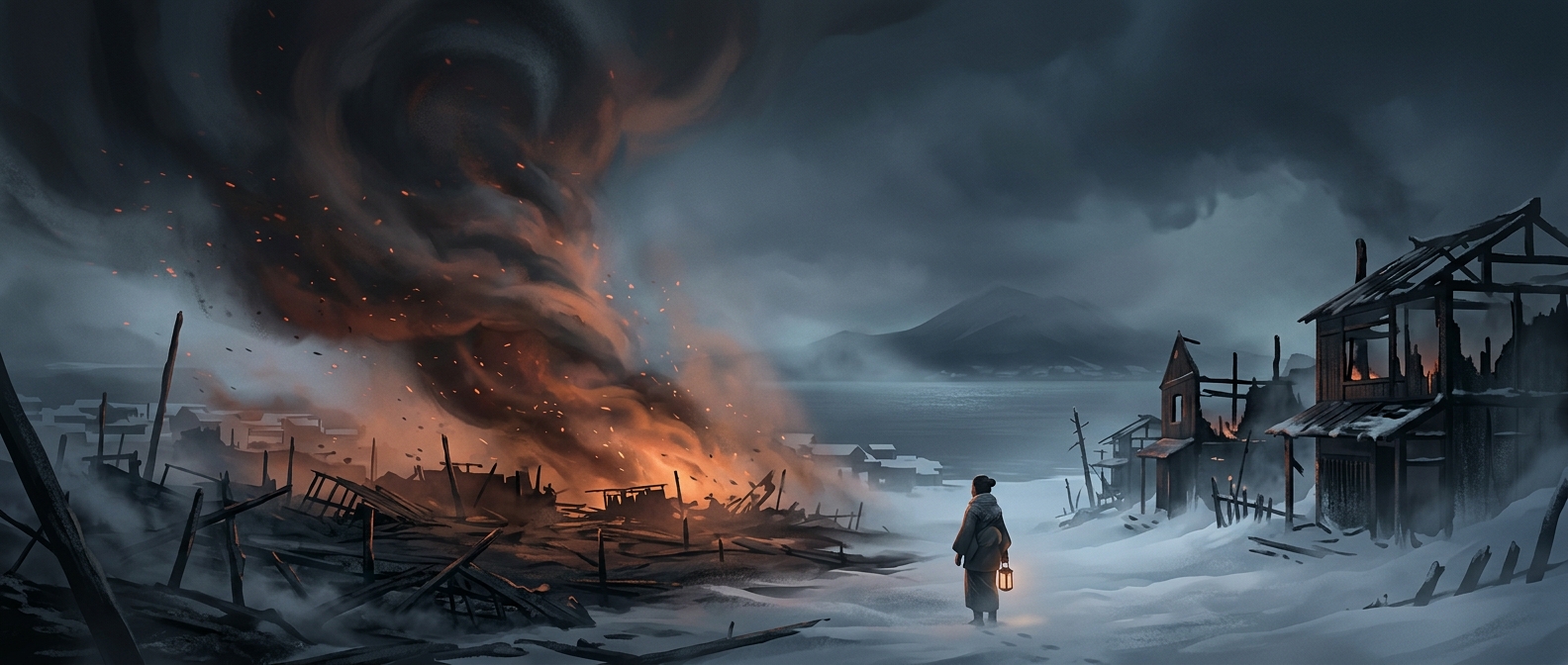
Before modern fire codes, a blaze could leap from one structure to the next faster than residents or firefighters could stop it. Many buildings stood close together, streets were narrow, and timber was common. In a dense city, a single fire could become a chain reaction: heat and flying embers ignited neighboring roofs, while crowded routes made escape and firefighting harder.
London’s Great Fire of 1666 and Chicago’s 1871 fire made that vulnerability impossible to ignore. The disasters helped drive changes in how cities were built, including stronger limits on combustible construction and efforts to create more space between buildings. Wider streets could serve as routes for people and fire crews—and, in some cases, as gaps that interrupted a fire’s spread.
From citywide spread to building-by-building protection
As buildings grew taller and more complex, rules had to address not just the distance between structures but the paths fire could take inside them. A fire door is designed to resist flames and smoke for a period of time, helping divide a building into sections. If a fire starts in one room or corridor, a closed fire door can slow its movement and preserve a safer route for people leaving the building.
Sprinklers tackle the fire directly. When heat activates a sprinkler head, it releases water near the source, helping control a blaze before it spreads beyond the room or floor. The goal is not to make fire impossible, but to limit how quickly it can grow and how far its effects can travel.
Why the rules feel so strict
Fire codes are layers of protection, not a single fix. Construction materials, spacing, doors, and sprinklers address different stages of the same danger: ignition, spread, escape, and response. Their everyday presence is easy to overlook, but each requirement reflects a lesson learned as cities moved from trying to fight enormous fires to designing buildings that can contain them.
A plain, heavy door can therefore do more than separate apartments: in an emergency, it may help keep one building’s fire from becoming a neighborhood’s.