
A closer look
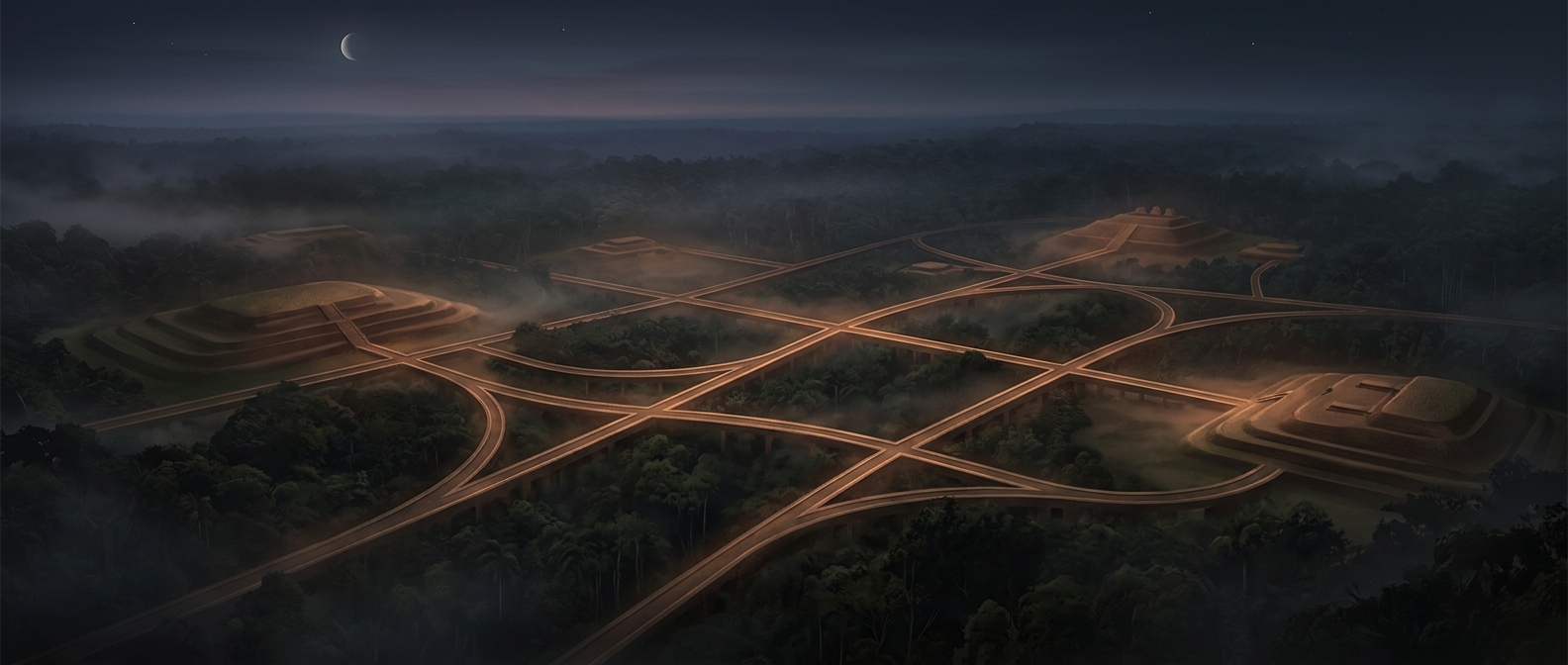
Centuries before skyscrapers and grid-planned capitals, an ancient city in Mexico experimented with urban design on a scale that should not have been possible for its time. Teotihuacan, at its peak around 500 CE, was one of the largest cities on Earth, with broad avenues, multi-story apartment compounds, and carefully aligned pyramids laid out along a precise axis. What’s wild is how planned it was: entire neighborhoods organized by craft, ethnicity, and status, with standardized housing units and shared courtyards. Archaeologists think the city may have been ruled more collectively than by a single king, a rare model in ancient times. Yet it eventually collapsed, its rulers forgotten, its original name lost. Later Aztecs found the ruins and were so awed they called it "the place where gods were born." Today we walk through modern megacities without realizing we’re echoing an urban experiment started there.