The interface is part of the ship
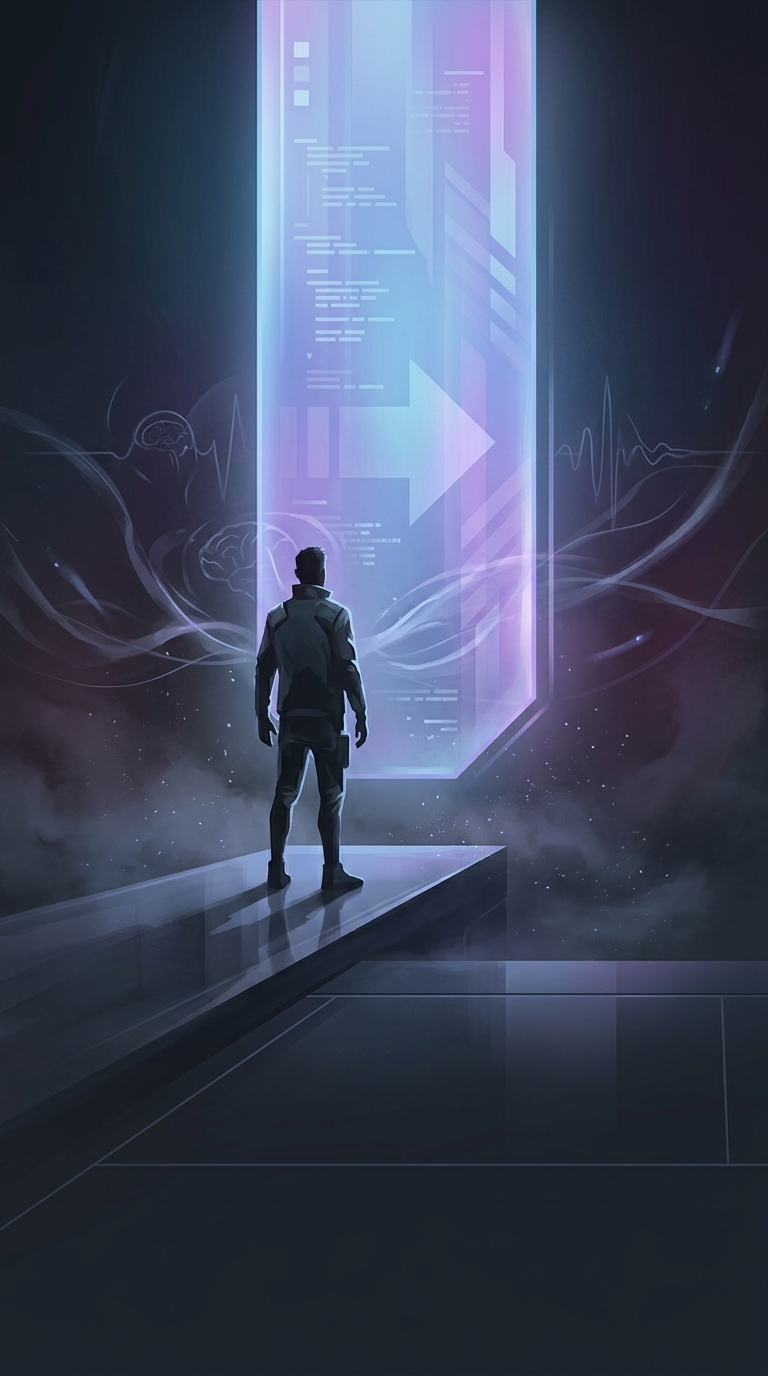
In Dead Space, the screen rarely separates the player from Isaac Clarke with a conventional health bar or a full-screen inventory. Instead, information appears to come from the equipment he is wearing or holding. His suit’s glowing spinal strip signals his health, while a display on his weapon shows ammunition. Inventory and map screens appear as holograms in the space in front of him, with the game world still visible behind them.
That approach is called diegetic design: an interface is presented as an object within the story’s world, rather than as a layer meant only for the player. It makes checking a resource feel less like opening a game menu and more like consulting a device aboard the Ishimura.
Why that changes the tension
A conventional interface can act like a visual buffer: the player looks away from the environment to read numbers or manage equipment. Dead Space keeps much of that information attached to Isaac, so the dark corridor remains in view while the player checks a hologram. In the inventory, the world does not simply vanish behind a separate screen; danger can remain present while the player decides what to do.
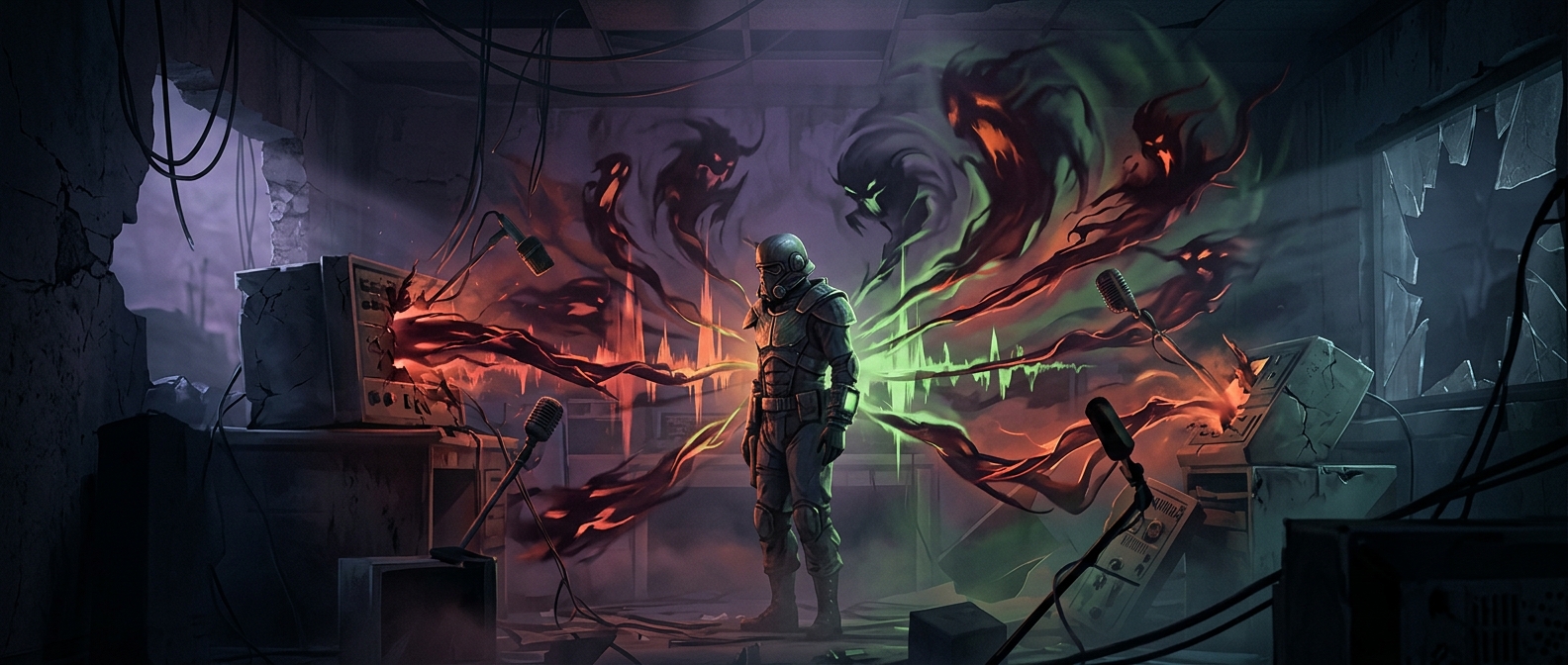
The design also makes sound carry practical information. A creature’s noise, movement in the vents, or Isaac’s strained breathing can help establish what is happening when the player cannot see clearly. The audio is not just atmosphere—it helps the player interpret a space that the interface deliberately leaves visually exposed.
A tradeoff, not the absence of an interface
The game still gives players readable signals; it relocates them. The glowing health indicator and weapon display are carefully legible precisely because survival depends on noticing them. And an ordinary pause option remains available. The distinctive choice is that routine play and equipment checks are designed to keep the Ishimura present, so looking for information does not automatically mean stepping outside the horror.