Why a mascot head stays damp after the performer leaves
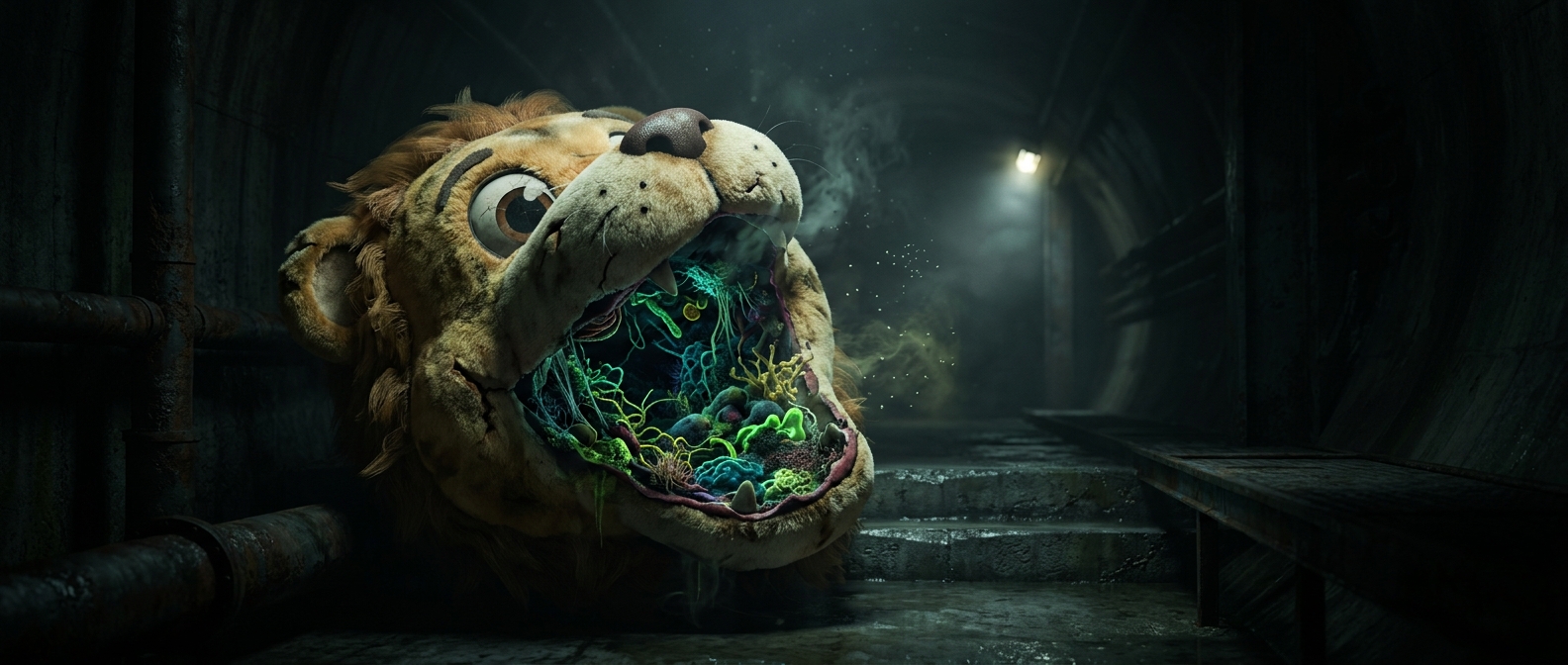
A mascot head is built to hold its shape, not to breathe like ordinary clothing. Foam padding surrounds the performer’s face, while the costume’s fixed features can limit airflow. During a game, body heat and sweat collect inside that enclosed space. When the performance ends, the interior may still be warm and moist—the conditions that let mold grow if they persist.
Foam makes drying the hard part
Sweat does not just sit on a smooth surface. It can soak into foam and collect in seams, where air reaches it slowly. The same construction that cushions the performer and gives the character a distinctive shape can therefore make the head harder to dry thoroughly. Wiping the visible surface may remove grime without reaching damp material underneath.
Moisture is the key factor: cleaning helps remove sweat and residue, but the head also needs to dry fully. If it is put away while still damp, the enclosed interior can stay wet long enough for mold to take hold. A musty smell can be a warning that moisture has lingered, though odor alone does not identify what is growing.
The routine is part of costume care
After use, the practical challenge is to clean the interior without damaging its foam, fabric, or shape, then leave it open to air until dry. Any removable liners can be handled separately according to their care needs. Skipping that drying time turns a single sweaty game into a damp storage problem—and makes the next performer the one who opens the head.