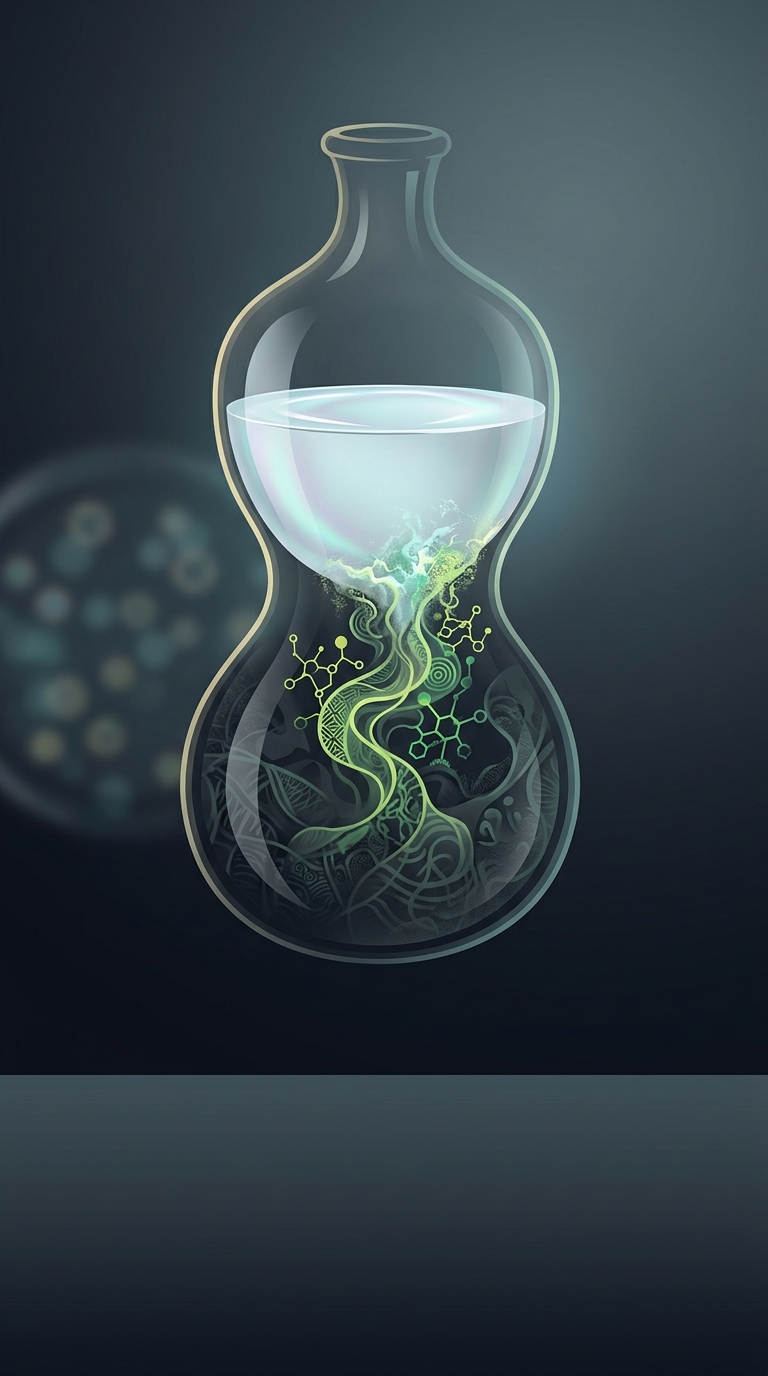
A kiss briefly mixes two oral ecosystems
Your mouth is home to a busy community of bacteria and other microbes. During a passionate kiss, saliva moves between partners, carrying some of those residents along with it. The transfer is not just a metaphorical “sharing”: microbes can physically pass from one mouth to another, especially when saliva is exchanged.
The mouth is also a habitat, not an empty surface. Its warmth, moisture, acidity, and supply of food favor some microbes over others. Once transferred, newcomers may linger, but they do not automatically establish themselves. They have to compete with the recipient’s existing community and adapt to conditions there.
Why repeated contact can matter
A single exchange is only one small event in a much larger microbial environment shaped by daily contact, food, hygiene, and health. Repeated kissing can make partners’ oral microbial communities more alike, in part because it gives microbes further chances to move between them. Similarity does not mean the two mouths become identical: each person’s established community and oral conditions still matter.
This exchange is not limited to harmless bacteria. Some microbes that cause infections can also pass through saliva, which is why kissing can spread certain illnesses. The same basic route—saliva moving from one mouth to another—can carry different kinds of microbes, with very different consequences.
So the striking part is not that a kiss instantly transforms either person’s mouth. It is that, in seconds, two highly populated microbial habitats are put in direct contact, and some of their microscopic residents cross the boundary.