Why an Espresso Can Fit in a Tiny Cup
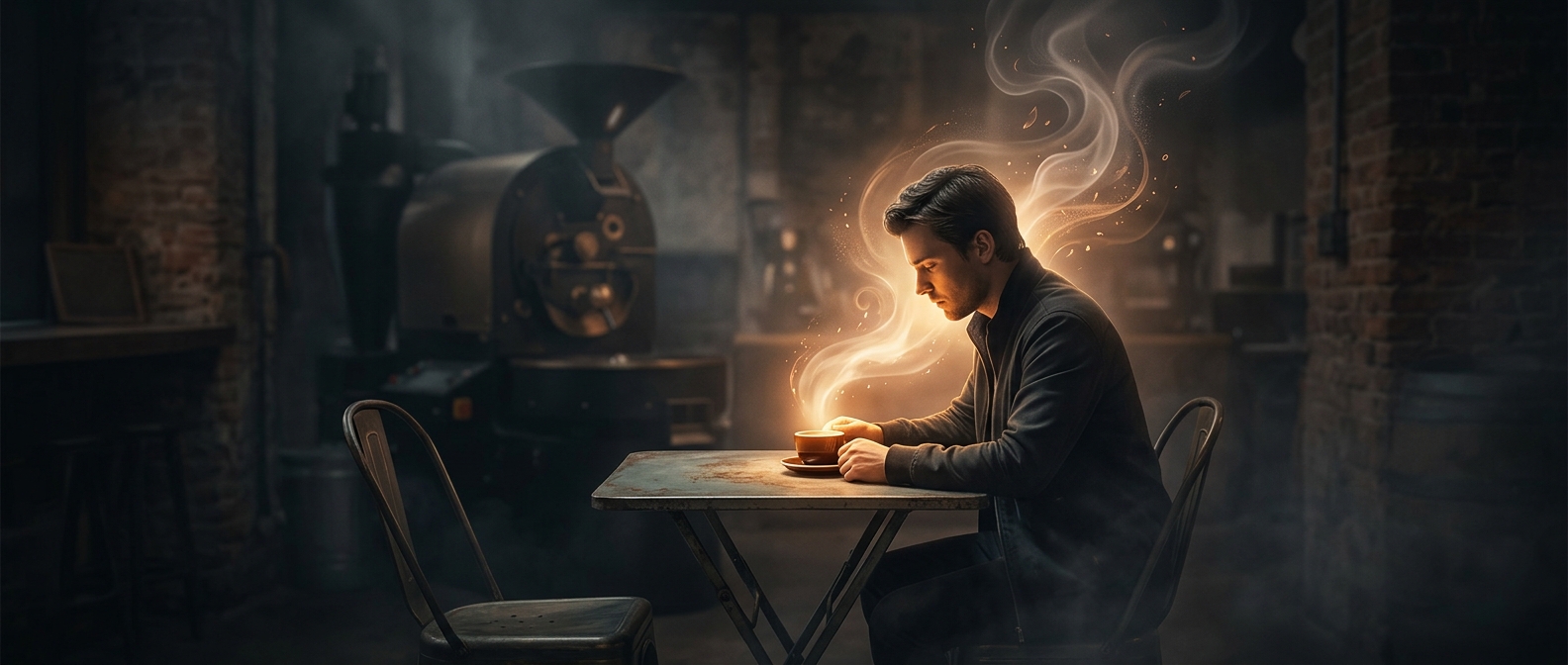
A small coffee serving is often the result of how it is brewed, not a sign that the café has poured only part of a larger drink. Espresso is made by forcing hot water through finely ground coffee under pressure. The short brewing process produces a compact drink with an intense flavor and a layer of foam called crema. A little cup helps keep the drink warm and makes its concentrated taste the focus.
That intensity is about flavor, not automatically about getting more caffeine. A single espresso serving may contain less total caffeine than a much larger cup of drip coffee, even though it tastes stronger. The difference between “strong” and “more caffeinated” is easy to miss when the serving sizes look so different.
The Cup Reflects a Different Coffee Habit
In places where espresso is a common café order, coffee may be treated as a brief, focused pause: order a small drink, savor it, and move on. In other settings, a larger mug of drip coffee is designed to be sipped over time. Neither serving style is universal, even within a country; cafés may offer several kinds of coffee.
When a tiny cup arrives, check whether it is espresso before assuming your order is incomplete. If you want a longer drink, ask what larger options are available—an espresso-based drink with added hot water or milk may suit you better. The small cup is often the intended serving, and its size is part of the brewing style.