Why 3D Glasses Need a Signal From the Screen
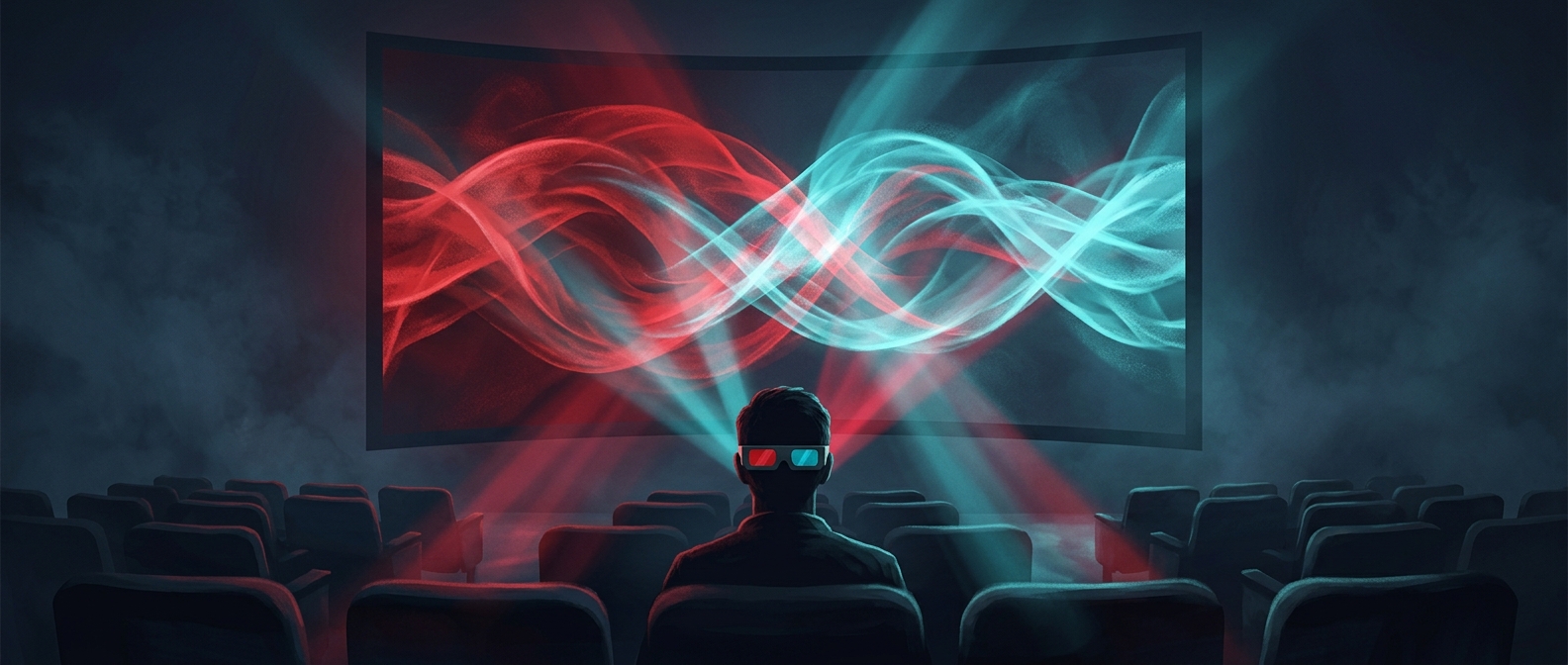
In many older 3D television systems, the screen does not show separate left-eye and right-eye pictures at the same time. It flashes them in sequence: a frame for one eye, then a frame for the other. The glasses have to follow that sequence precisely, or each eye may see the picture intended for the other.
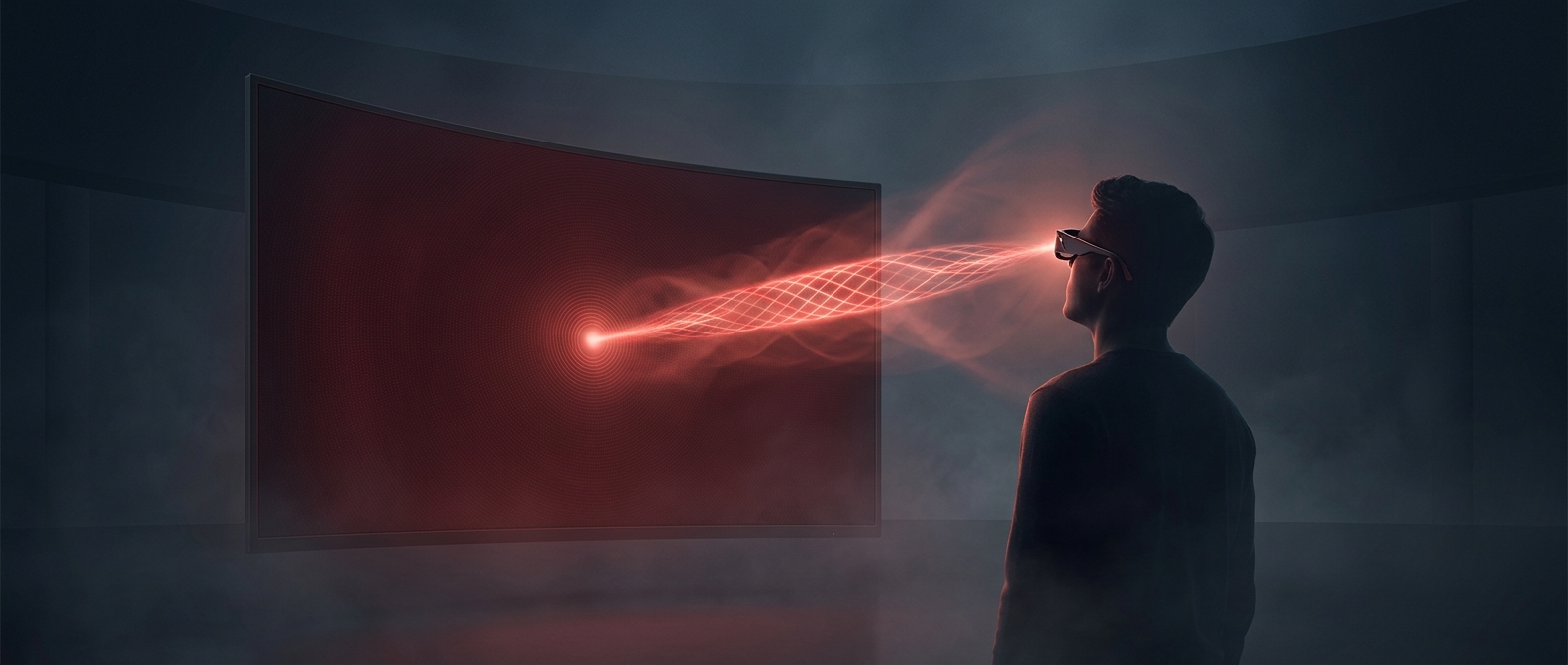
The TV’s infrared emitter sends brief pulses that mark when the displayed image changes. A small receiver on the glasses detects those pulses and keeps the lenses synchronized with the screen.
The Lenses Act Like Fast Shutters
Each lens contains a liquid-crystal panel, a thin layer whose transparency changes when an electrical signal is applied. When the TV shows the left-eye frame, the glasses make the left lens clear and the right lens dark; for the next frame, they reverse the arrangement. The switching happens quickly enough that viewers perceive a continuous 3D image rather than two alternating pictures.
The lenses do not create depth by themselves. They sort the two slightly different views so that each eye receives its intended image. The brain combines those views into a sense of depth.
Why Covering the Sensor Matters
If something blocks the receiver, the glasses can miss the infrared pulses and lose track of which eye should be open. The shutters may then switch at the wrong moment, letting images leak to the wrong eye. The result can be a dim, flickering, or doubled picture—not because the TV has stopped making 3D frames, but because the glasses no longer know when to show each one.