The reunion happens after the story reaches the audience
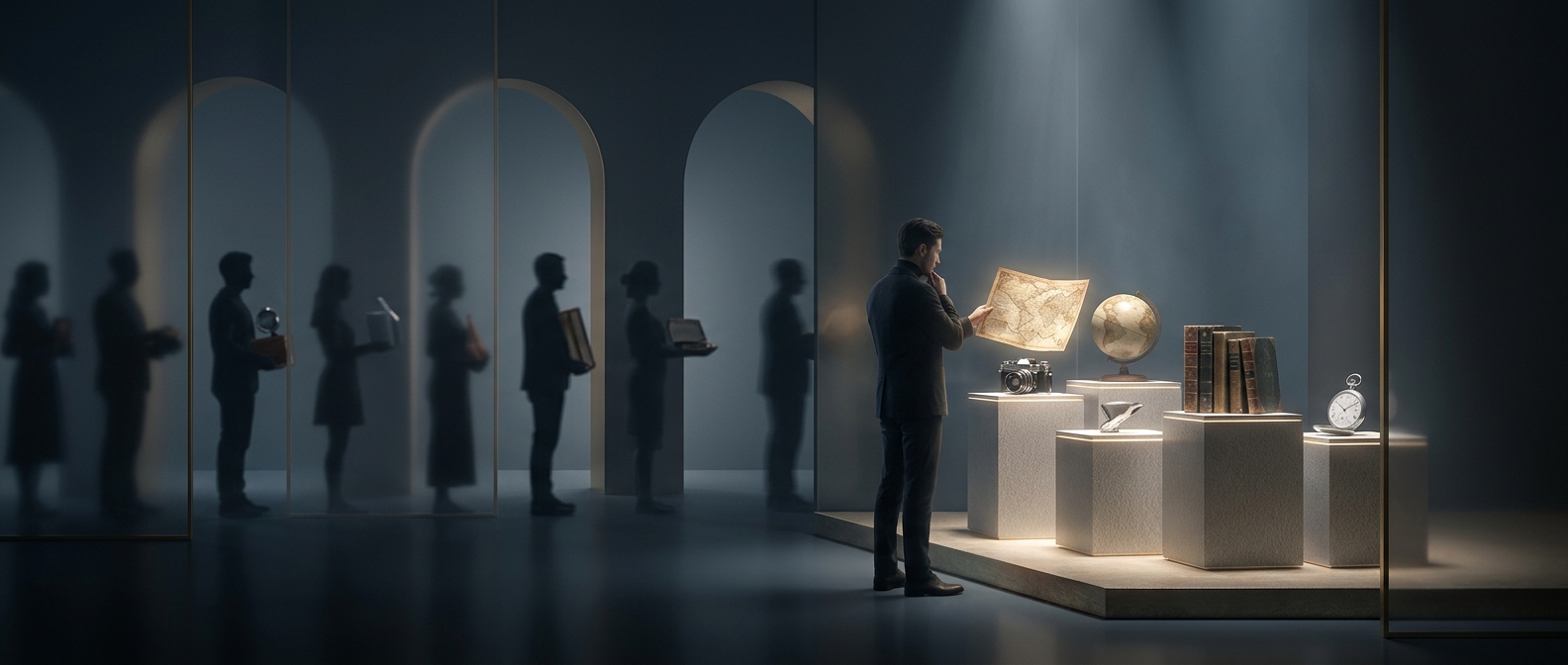
A reality season may be filmed well before viewers see it. By the time the cast returns for a reunion, episodes have revealed conversations, alliances, and decisions that participants may not have known about when they were made. The delay gives cast members time to react to the show as an edited story—not just to events they remember from filming.
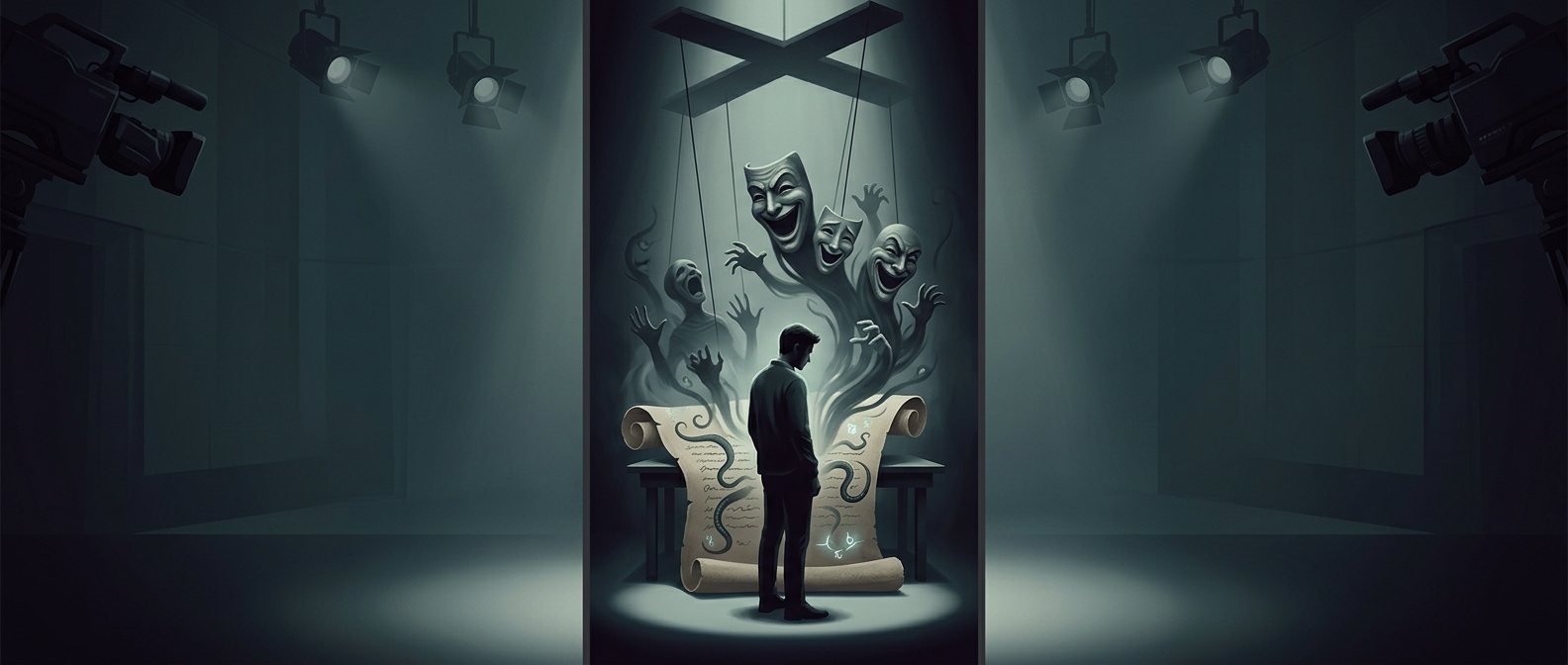
That changes the confrontation. Someone can challenge a castmate over a scene the audience has already watched, while the person being challenged may be seeing how that moment was presented for the first time. The reunion becomes a second stage of the season, where people argue over both what happened and what viewers were shown.
Audience reaction becomes part of the conflict
As episodes air, viewers discuss them online, and cast members may encounter those reactions. A disagreement that began on camera can gather new accusations, defenses, and misunderstandings between filming and the reunion. When the cast meets again, those exchanges give the host specific disputes to revisit—and give participants a chance to answer one another in front of the audience.
The timing also creates a production tradeoff: the reunion can respond to the season’s unfolding story, but it cannot capture reactions that have not had time to develop. The gap is what lets a reunion feel less like an extra episode filmed immediately after the finale and more like a reckoning shaped by what happened both on screen and afterward.