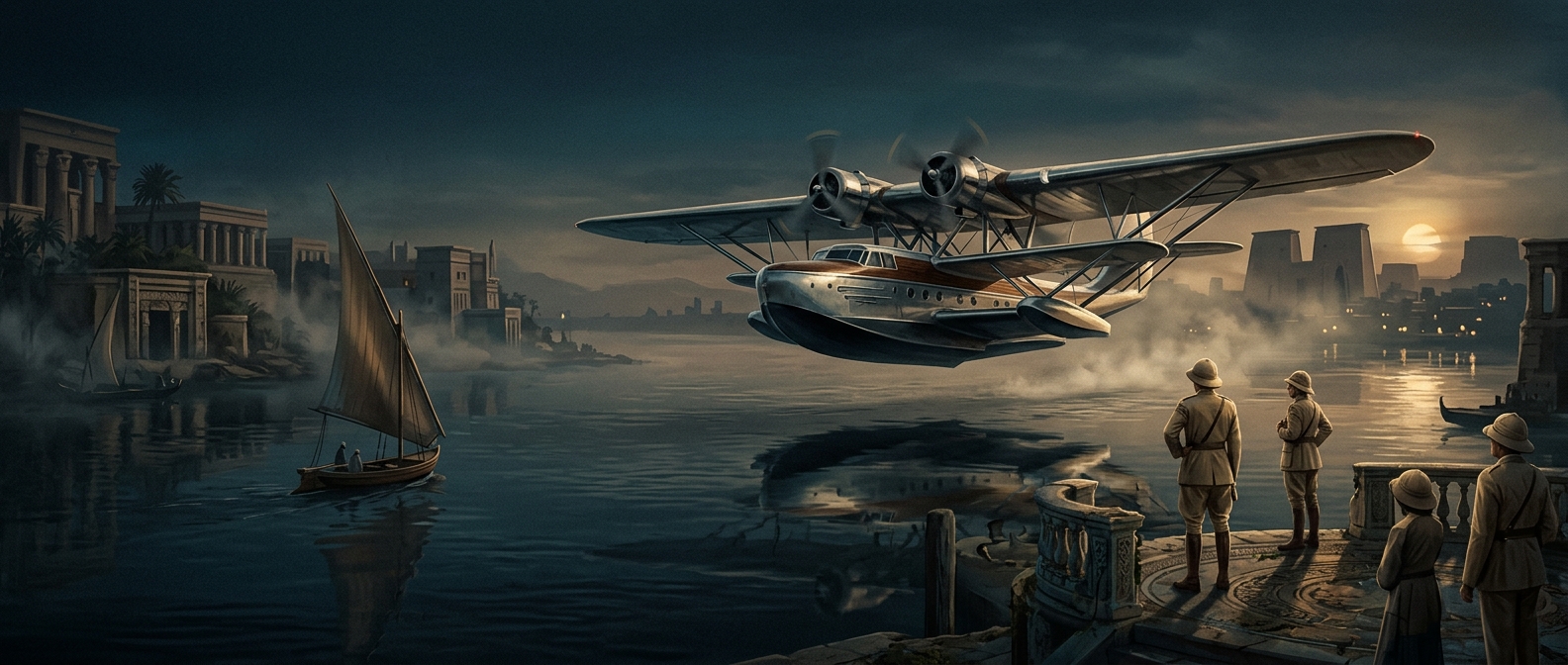
How a hotel could become a travel system
A comfortable hotel was only one part of the arrangement. For a visitor moving between destinations, the harder problem was managing the journey: finding transport, arranging a room at the next stop, and knowing whom to trust in an unfamiliar place. A coordinated travel network could handle those pieces together, turning separate legs into a planned itinerary.
That convenience also shaped what travelers encountered. When lodging, transport, guides, and excursions were organized through the same service, guests could experience a region through a controlled sequence of stops rather than by navigating daily life in each community themselves. The network did not have to physically isolate visitors to create a social bubble; it made the familiar route the easiest one to follow.
Convenience had a boundary
For wealthy travelers, this system reduced uncertainty and made long-distance travel more comfortable. But it also meant that local people often appeared in limited roles—as staff, guides, drivers, or vendors—while visitors spent much of their time among fellow travelers and within spaces designed for them. Contact could happen, but the itinerary did not depend on it.
The distinction matters: the network connected destinations while filtering the encounters between them. Its lasting imprint was not simply a set of hotels, but a way of traveling in which Southeast Asia could be crossed efficiently without requiring much engagement with the communities along the route.