Turning a childhood game into a contest
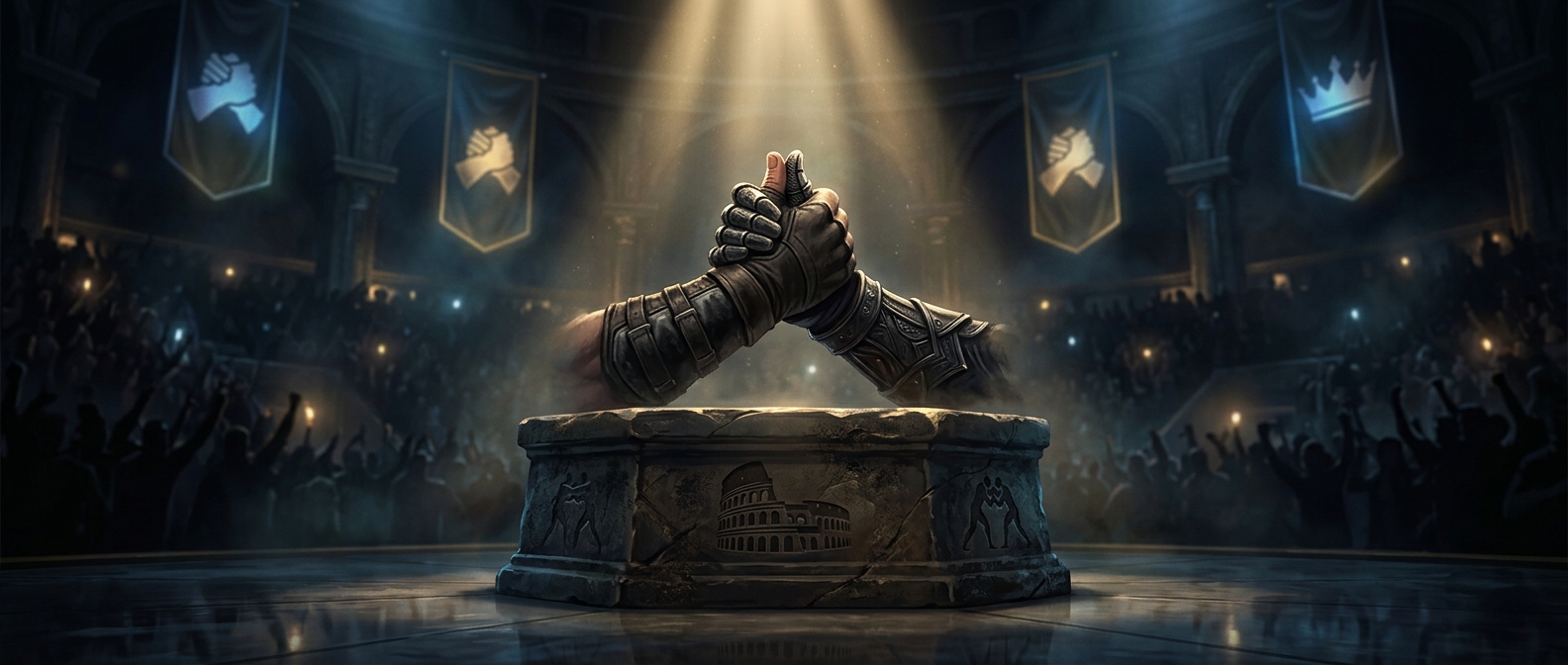
Thumb wrestling looks too small to require serious preparation: two people clasp hands, raise their thumbs, and try to trap the other person’s thumb. But once a pastime becomes a championship, the details that seemed incidental—how quickly you move, how long you can keep control, and how well you read an opponent—start to matter.
The contest is not simply a test of thumb strength. The thumb’s position and angle affect how much leverage it can apply, while the rest of the hand provides the anchor. A sudden lunge may catch someone off guard, but a competitor who spends the bout gripping and resisting also needs control and stamina. Training the thumb muscles can help; timing and hand position shape how that strength is used.
The hand is the whole playing field
Unlike a large sport, thumb wrestling gives competitors almost no room to move. Their hands stay locked together, so a small change in angle can make the difference between escaping a hold and being pinned. That tight constraint is part of the appeal: the action is easy to understand, but the contest can turn on a fraction of a second.
Scotland’s annual World Championship gives the familiar game a formal stage, where a childhood challenge becomes something competitors can prepare for and win. Its central comic contrast is also its real sporting challenge: all the drama has to fit inside one clasped pair of hands.