A 1698 rhyme became a game of timing and touch
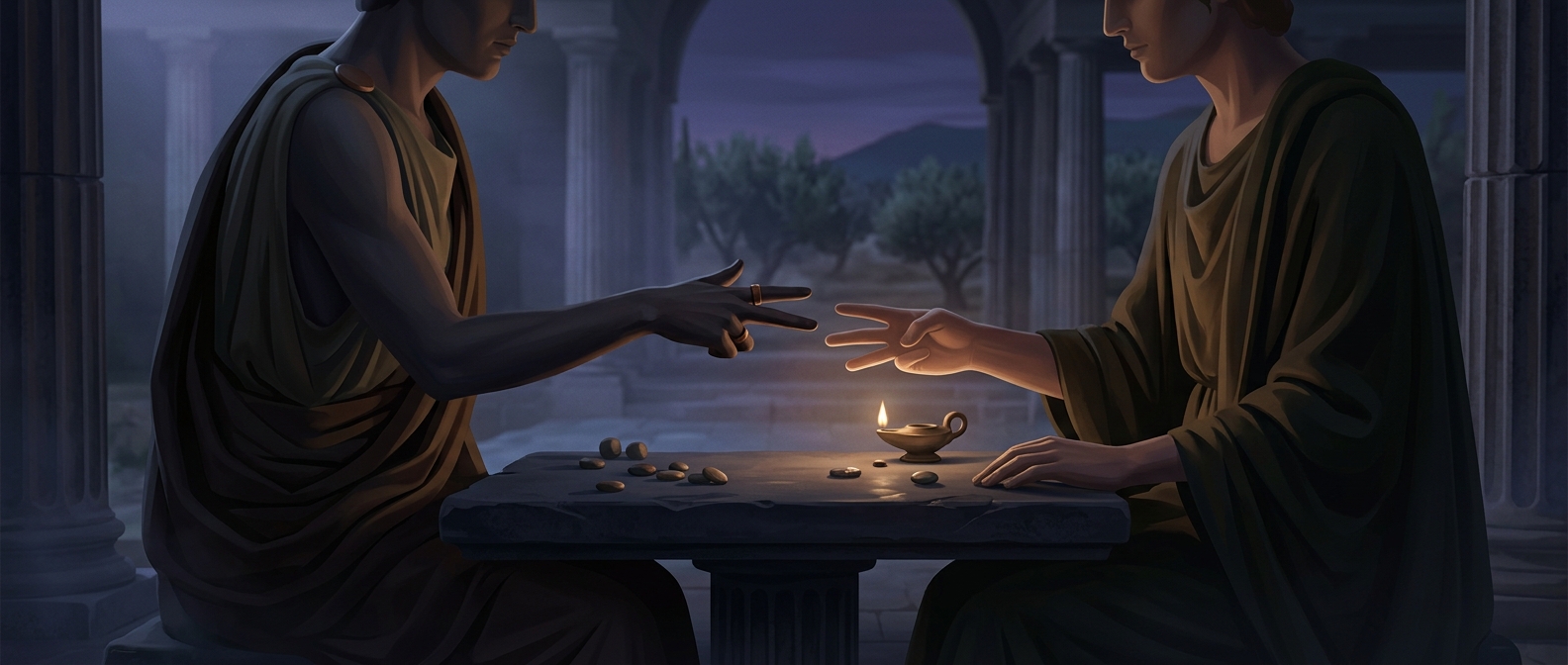
The earliest known written record of “Pat-a-cake” dates to 1698. That date marks the rhyme’s appearance in surviving evidence—not necessarily the moment someone first said it, or the moment it became a hand-clapping game. Children’s play was often passed along by speaking and imitation, leaving little written trace.
The rhyme’s simple beat is part of what makes it easy to play. In the familiar version, a grown-up and child take turns patting their hands together, then clap their own hands or touch the child’s. Repeated words give the movement a predictable cue: the child can watch, anticipate the next beat, and try to match it.
A small performance with a practical purpose
For a baby, the game turns a sound pattern into a shared physical routine. The adult sets the pace and exaggerates the gestures; the child can respond with a look, a hand movement, or an eager attempt to clap. The motions are simple enough to repeat, but the turn-taking makes each round feel like a little performance.
That also explains why a centuries-old rhyme can remain useful without staying frozen in one form. Families can change the pace, gestures, or final action while keeping the recognizable words and rhythm. The written record reaches back to 1698; the game’s staying power comes from how easily a few beats can become a moment played together.