Why cacao thrives near the equator
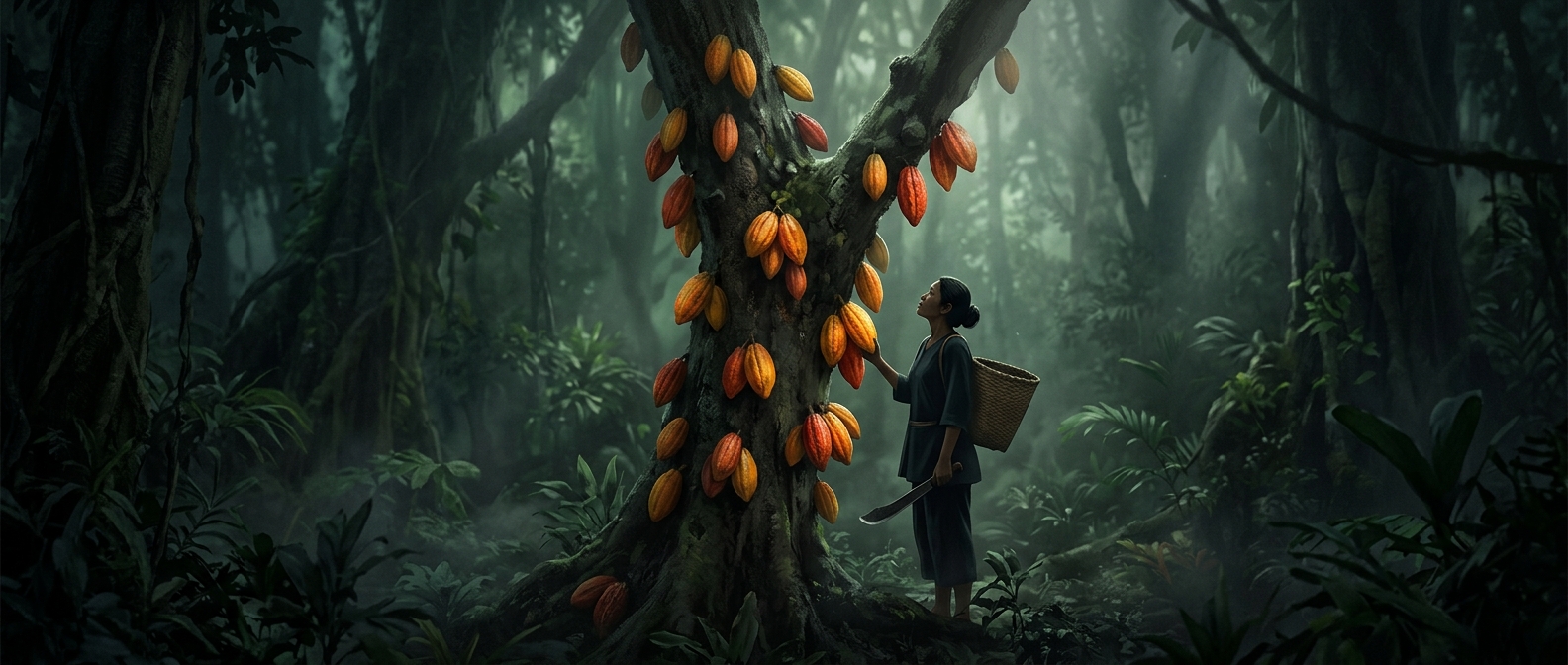
Cacao is adapted to places that stay warm and humid through the year. Its shallow roots make prolonged dry spells difficult to withstand, while young trees need protection from harsh sun—often provided by taller shade trees. The crop also depends on rainfall arriving in a workable pattern: too little can stress trees and limit pod development, while persistently wet conditions can encourage diseases that damage pods.
That combination narrows the places where cacao can be grown reliably. A location may be warm enough but still be a poor fit if its dry season is too severe or its rainfall becomes less predictable.
Why shifting weather matters to farmers
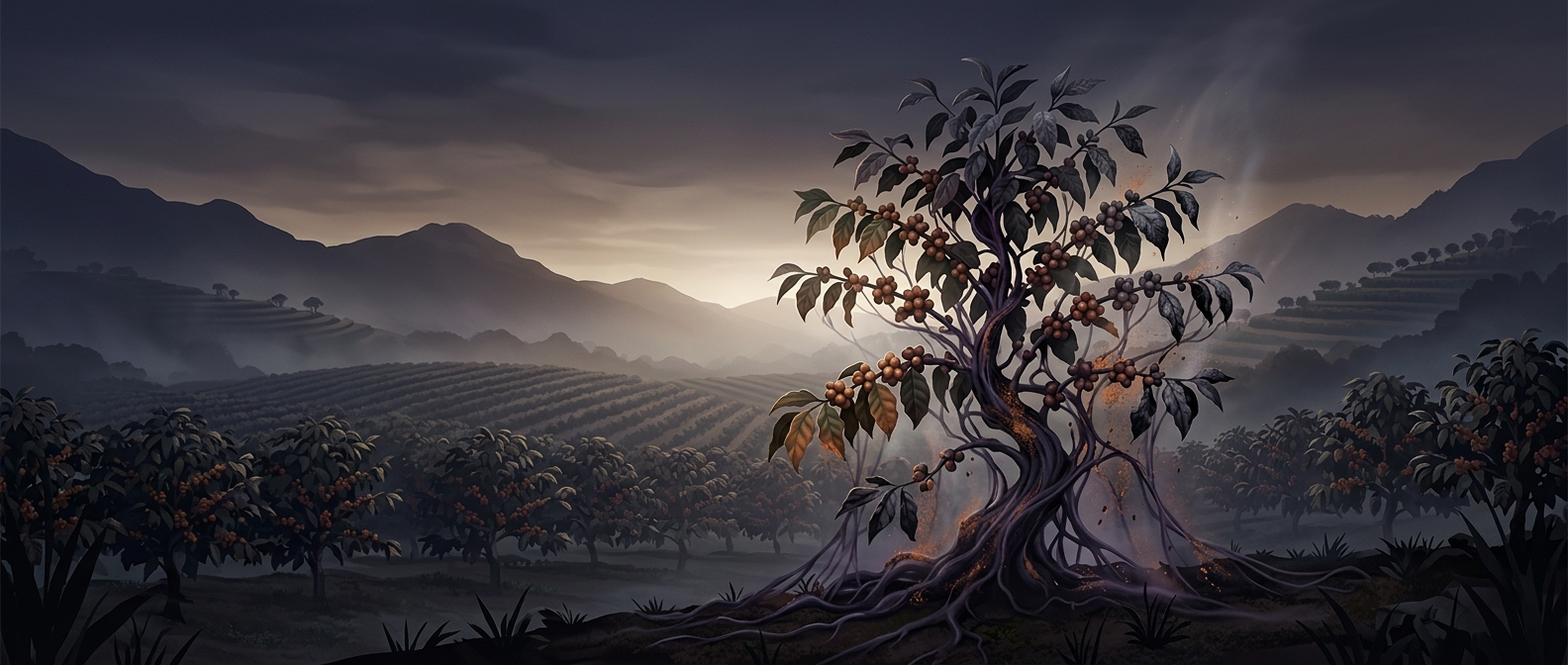
Weather changes can affect a harvest before they make a farm obviously unsuitable. Heat can increase water loss from leaves and soil; a poorly timed dry spell can disrupt the growth of flowers and pods. Excess rain brings a different risk, including conditions favorable to crop diseases. The result is not simply “less rain means less chocolate,” but a more difficult balance for trees and growers to manage.
Cacao trees are long-term investments, not crops that can be moved to a new field every season. Replacing trees takes time, and a new site must have suitable soil, water, shade, and land available. When the climate shifts, farmers may have to adapt the conditions around existing trees—or face the costly prospect of starting over elsewhere.