Why a Planet Seems to Turn Back
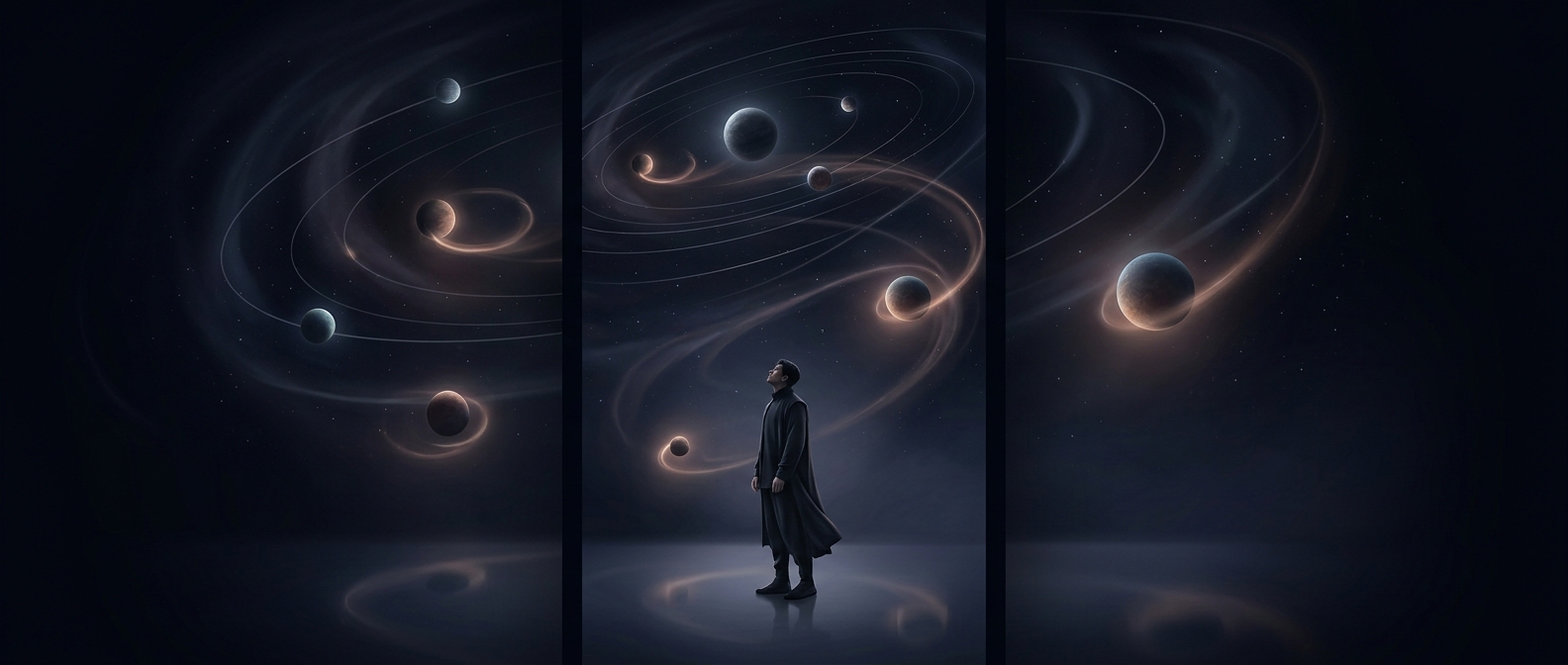
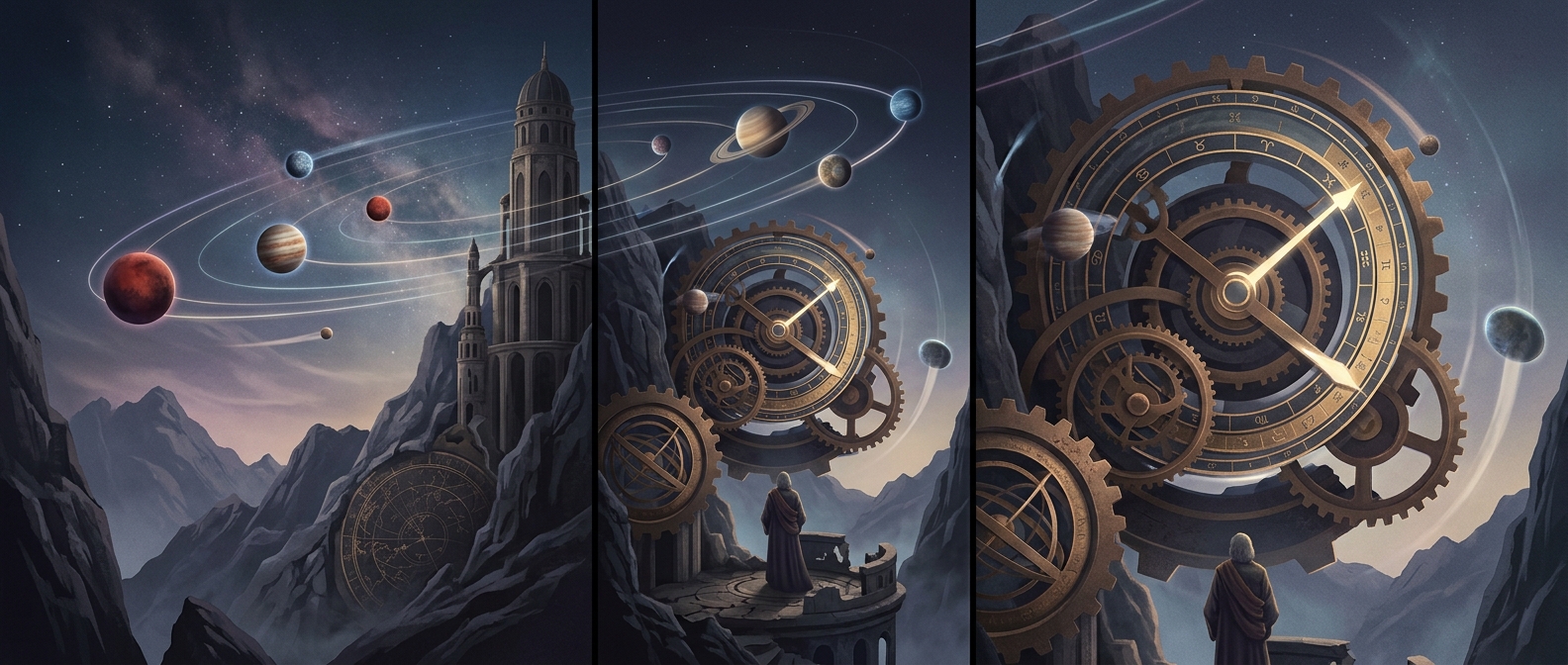
A planet in retrograde has not actually reversed direction. The apparent change happens because Earth and the other planets are all moving around the Sun at different speeds. As Earth passes a more distant planet, that planet can seem, against the background stars, to slow down, pause, and drift backward for a while—much like a slower car appearing to slide backward when you pass it on the highway. The planet keeps moving forward in its orbit; the reversal is a change in our viewpoint.
The Pause That Became a Symbol
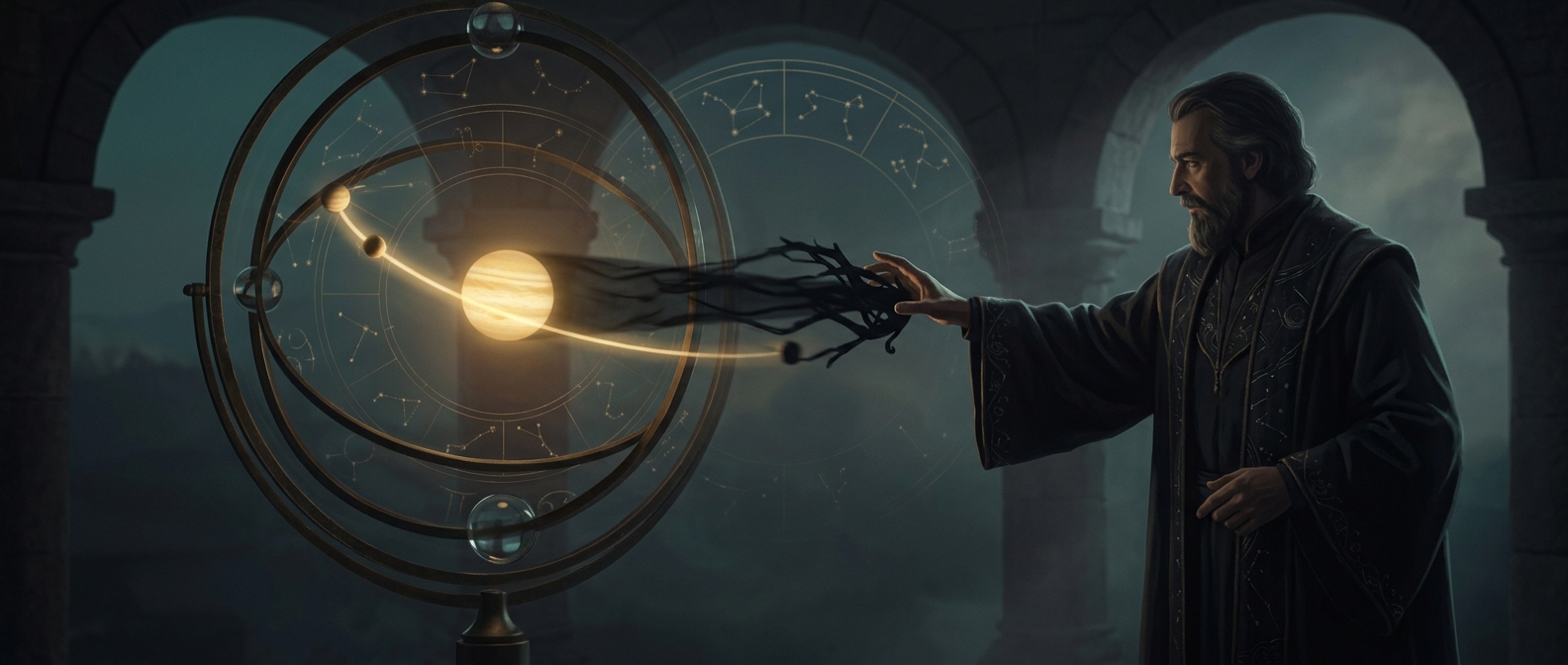
That visible stop-and-reverse pattern gave retrograde motion a memorable place in astrology. In astrological traditions, a retrograde period is often treated as a time when a planet’s associated themes turn inward or become less straightforward: plans may need revisiting, communication may feel tangled, or progress may seem to stall. Those are symbolic interpretations, not effects established by astronomy.
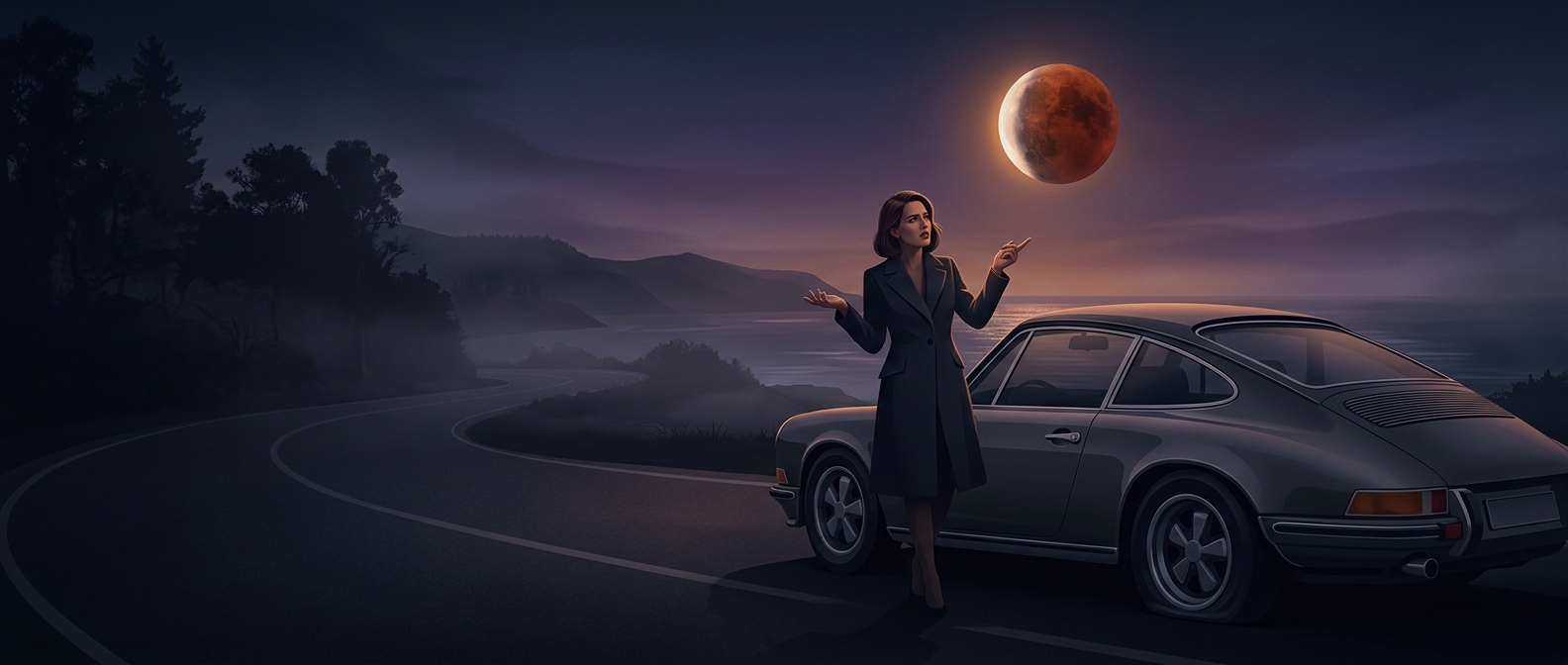
The “big moment that never arrives” captures the mood of that symbolism: momentum builds, then the expected payoff seems to slip away. The sky’s motion does not promise a dramatic event or deliberately withhold one. But the image endures because it turns a subtle optical effect into a familiar human feeling—the frustration of thinking something is finally moving forward, only to watch it appear to backtrack.