A live reveal became a shared online moment
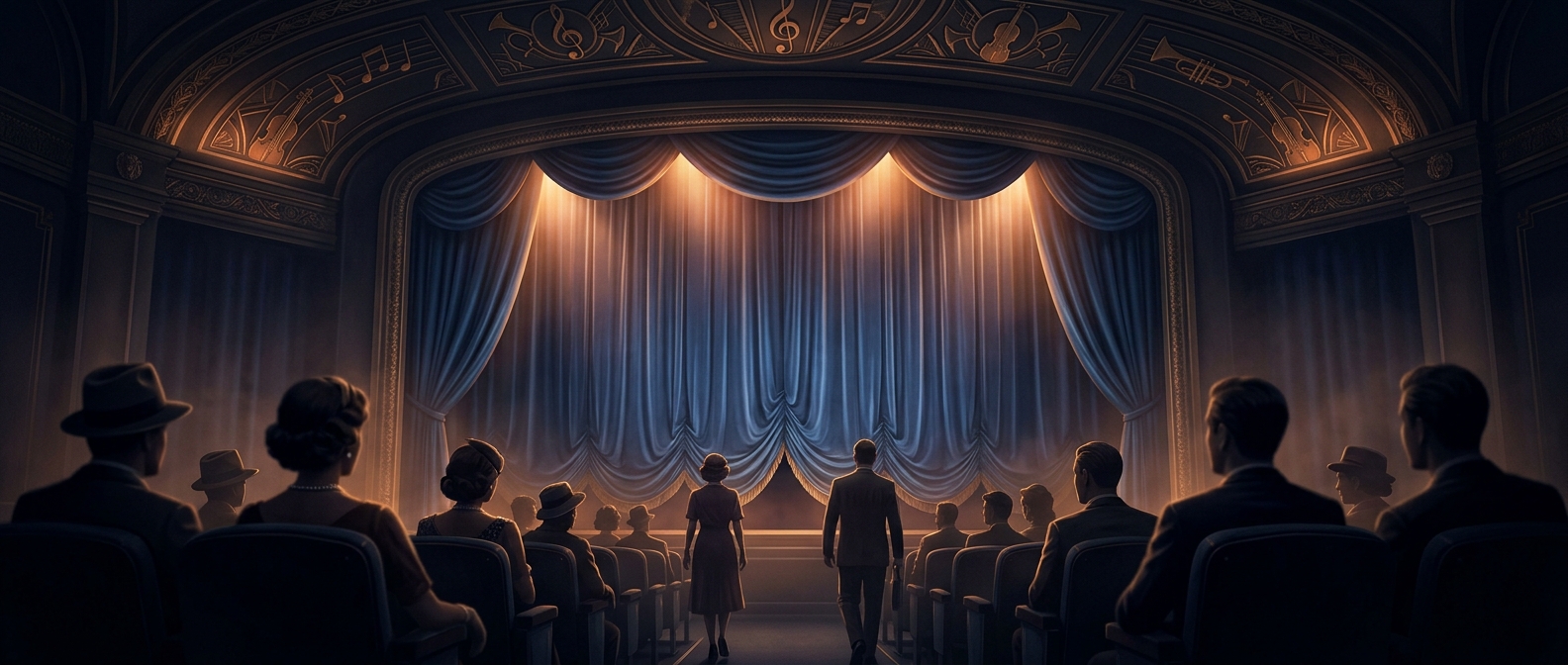
At the 2011 MTV Video Music Awards, Beyoncé turned a performance into a reveal. After singing “Love on Top,” she opened her jacket and touched her belly, making the pregnancy announcement visible to viewers watching live. The gesture needed little explanation: people could recognize what had happened at the same moment, then react in their own words.
That timing mattered. A recorded interview or magazine cover would have reached audiences in waves. During a live broadcast, viewers were already gathered around the same event, so the reveal gave them a common subject to post about immediately.
What “tweets per second” captures
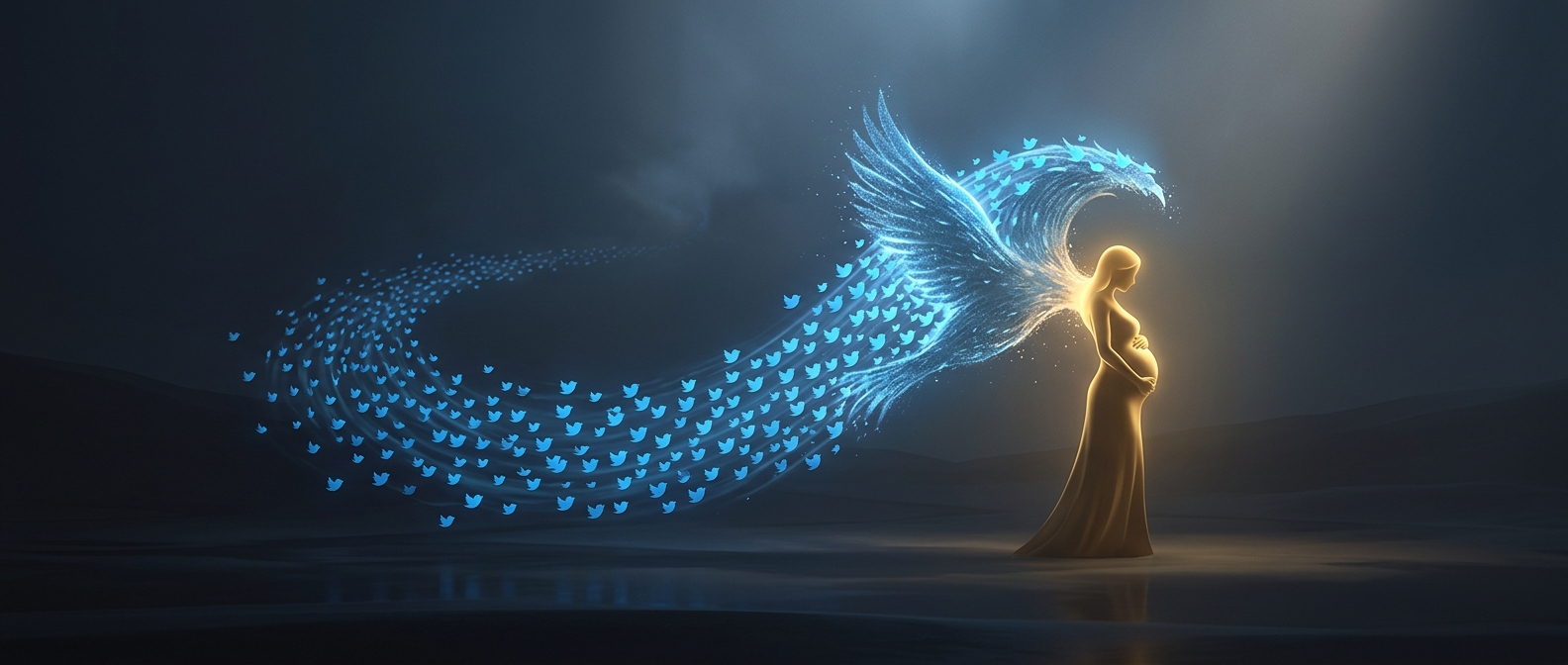
Twitter’s figure measured the rate at which messages were being posted at the peak: 8,868 in one second. It was not a count of everyone who saw the announcement, nor a measure of how long conversation continued. It captured a brief burst of activity—a digital version of a crowd reacting all at once.
The platform made that reaction visible beyond the living room. Viewers could post while the broadcast was still unfolding, and others could encounter those posts as part of the event itself. The announcement thus traveled through two channels at once: the televised performance and the audience’s rapidly multiplying commentary.
The audience became part of the spectacle
The record reflected more than Beyoncé’s fame. It showed how a carefully timed moment on live television could prompt millions of people to participate in a public conversation, even if each person contributed only a short message. The performance supplied the reveal; Twitter supplied a running, collective reaction—and made the audience’s excitement part of the story.