A railway outing with a reforming purpose
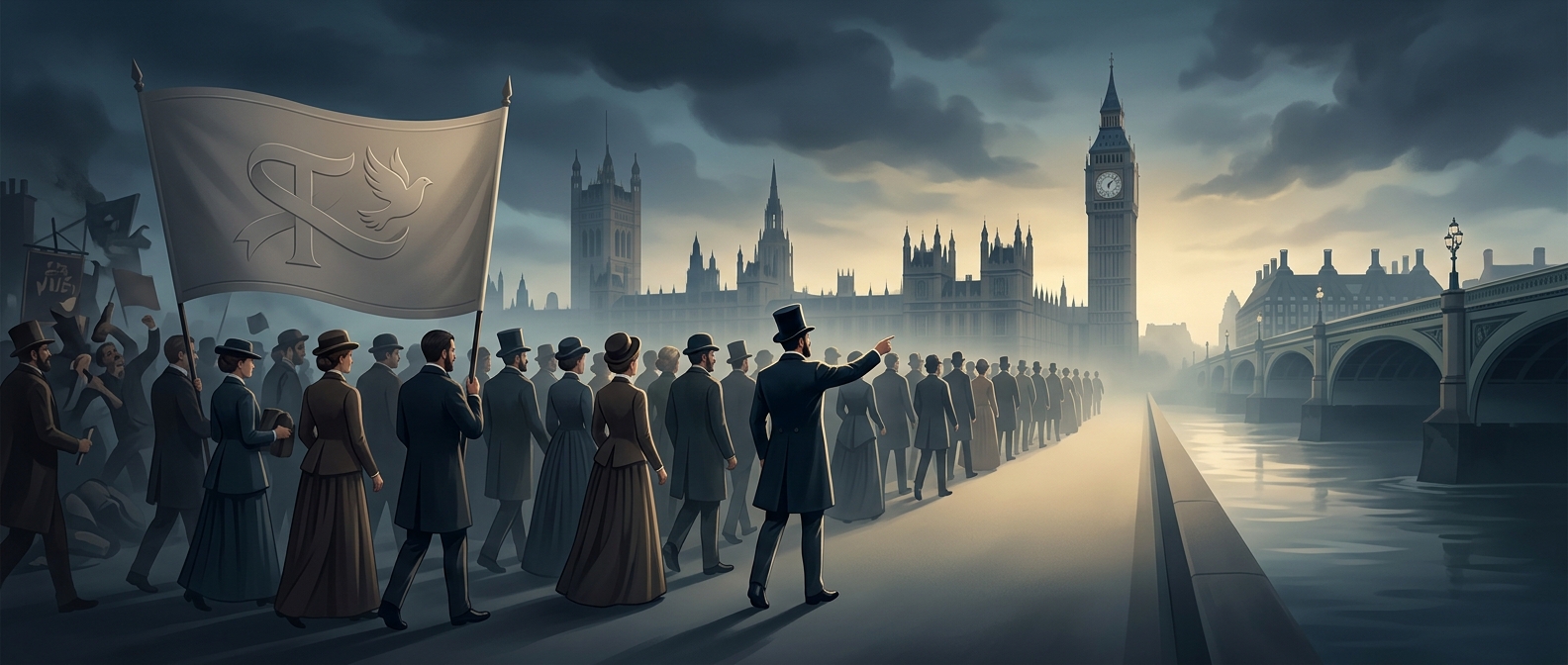
In 1841, temperance campaigner Thomas Cook organized a group rail excursion from Leicester to a meeting in nearby Loughborough. The gathering promoted abstinence from alcohol; the journey was part of the effort to reach people who might not otherwise attend. For working-class passengers, a coordinated day trip made a railway ride—and a change of scenery—more attainable than arranging travel alone.
Temperance advocates saw leisure as part of the struggle against drinking. A day spent traveling, walking, and socializing away from the pub offered an appealing alternative, while the meeting gave the outing a reforming purpose. The idea was practical as well as moral: make a healthy diversion easy to join, and people might choose it over familiar drinking habits.
From organized excursion to popular travel
Railways made this kind of outing possible on a new scale. A group organizer could bring passengers together for one destination and a set departure, turning a complicated journey into a shared event. Instead of each traveler having to work out the trip alone, the excursion supplied a simple plan: board, go together, spend the day, and return.
Cook’s excursion linked that practical convenience to a cause. As organized trips proved attractive in their own right, travel could draw people even when they were not chiefly motivated by temperance. The lasting shift was that a day away became something ordinary workers could join as a group—not just a privilege for people with the money and confidence to plan a journey themselves.