Abundance Is Not the Same as a Mine
“Rare earth” is a historical name for a group of 17 metals, not a claim that each is scarce in the planet’s crust. The economic problem is that useful concentrations are uncommon. These elements are often mixed together in minerals and spread through ordinary rock, rather than gathered in rich, easily separated deposits.
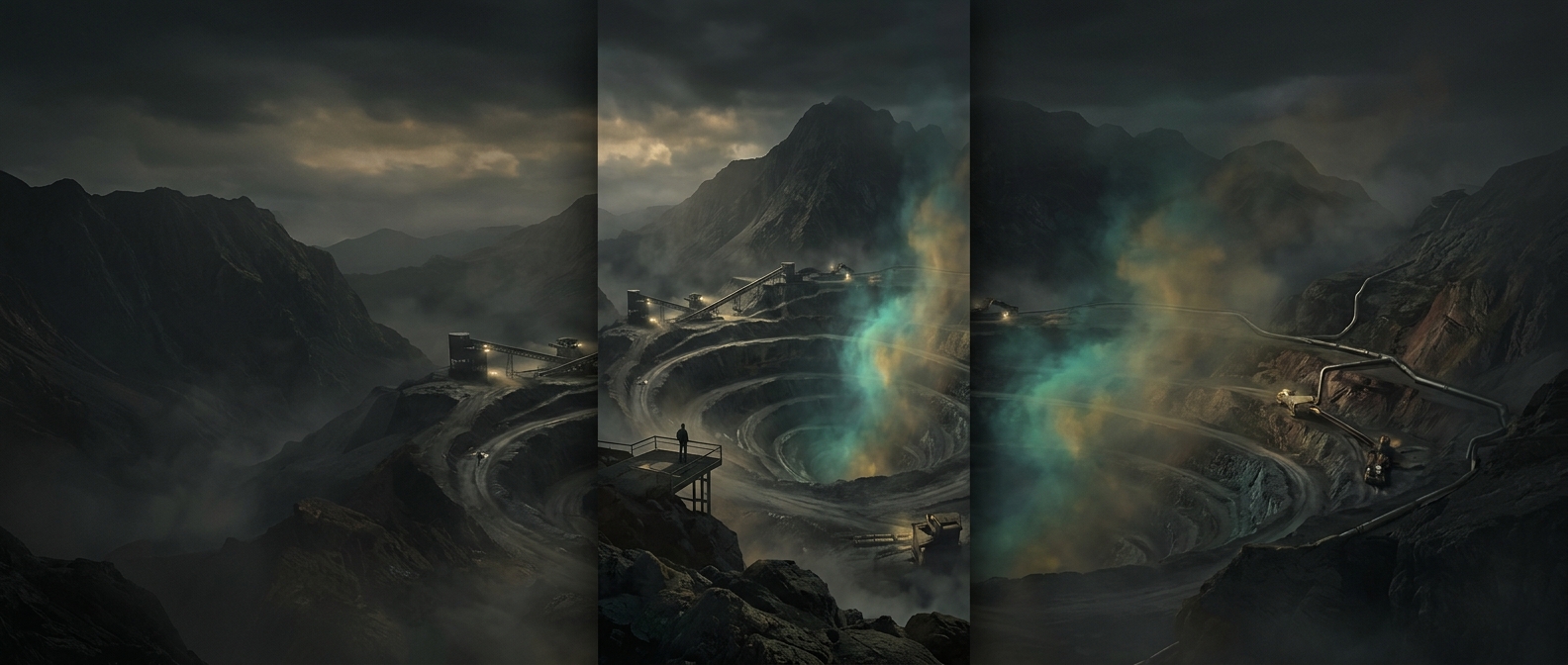
A deposit can contain enough rare earths on paper and still be a poor source. Mining companies need ore with a workable concentration, a reliable way to extract it, and a buyer for the resulting materials. If too much rock must be mined and processed for each usable amount, the costs of energy, equipment, waste handling, and cleanup can outweigh the value of the metal.
The Cost of Separating the Metals
Getting rare earths out of ore is only the first step. Many of the elements have similar chemical properties, so separating them from one another takes repeated processing. Depending on the ore and method, this can involve acids and other chemicals that dissolve or sort materials. The resulting waste may be corrosive or contaminated, making secure storage and treatment part of the production cost.
That creates a tradeoff: stricter environmental controls can make production more expensive, while weaker controls can shift costs onto nearby communities and ecosystems. Processing may therefore move to places where it is cheaper to operate, even when the original ore is mined elsewhere. Countries that can handle the difficult separation stages gain more of the value—and more responsibility for the waste—than countries that merely supply rock.
Why Supply Can Still Be Vulnerable
A plentiful element is not automatically easy to replace as a source. Building mines and processing plants takes investment, technical expertise, and time; producing the desired mixture of separated metals takes additional capacity. If only a limited number of facilities can do that work, a disruption can affect manufacturers even while rare earths remain abundant in the ground.
The bottleneck is not simply finding more of these elements. It is producing concentrated, separated material at a cost—and with waste controls—that society is willing to accept.