When a gag had to teach
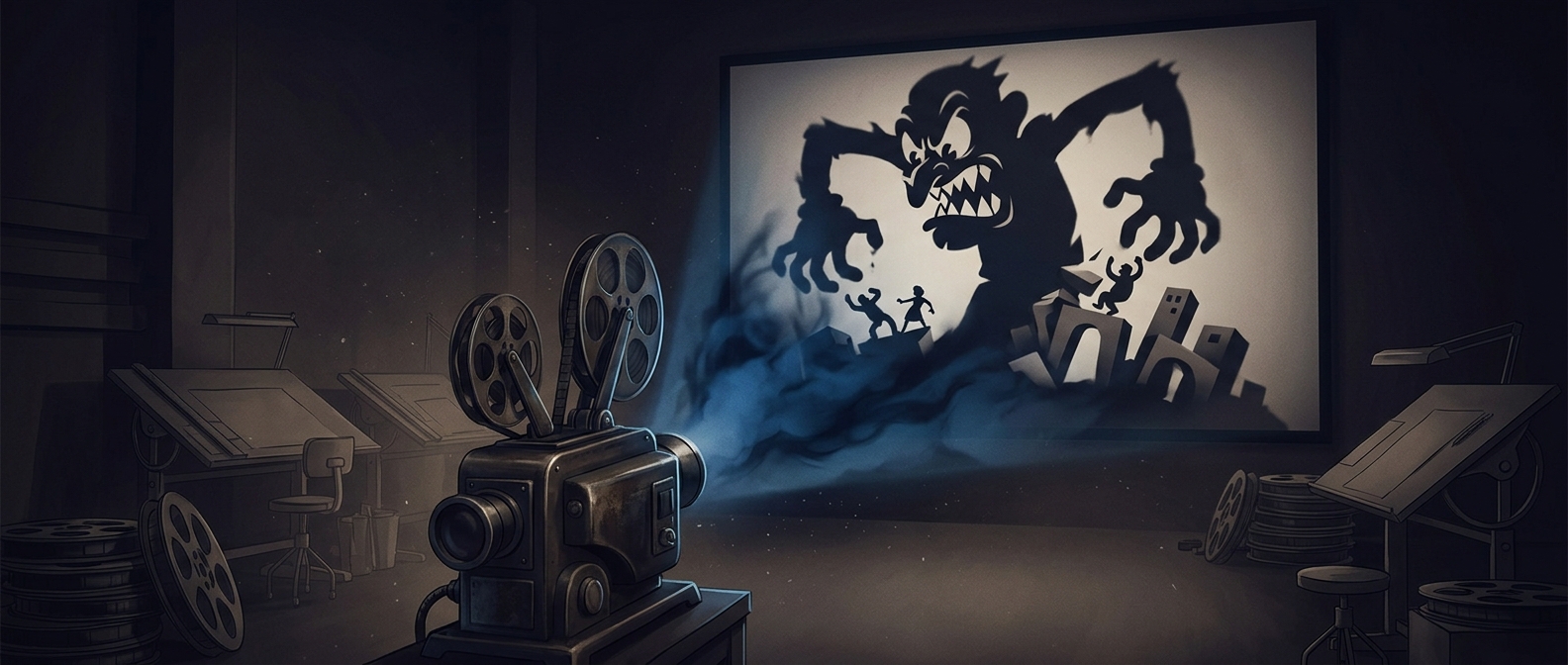
A slapstick cartoon is built around a simple engine: a character wants something, a plan goes wrong, and the failure becomes a joke. An educational requirement added a second job to the episode. It had to entertain and deliver a useful message for young viewers.
That message did not always arise naturally from the plot. A chase or pratfall could fill the story without teaching anything about safety or behavior. So the lesson might arrive only after the comic action was finished, in a brief closing scene that explained what the episode had not been designed to show.
Two different kinds of ending
Comedy often works best when the audience understands the mistake before the character does. A safety lesson, by contrast, needs to make the right action unmistakable. The cartoon could not always leave the meaning to inference; it had to spell out the takeaway.
That created a tonal seam. One moment, a character might be flattened by an impossible mishap; the next, the show was speaking plainly about sensible choices in real life. The contrast could feel awkward precisely because the message was meant to be clear, not another layer of the joke.
The lesson behind the whiplash
The ending reveals a tension in children’s television: a program can be treated both as entertainment and as a way to teach. When those aims were not woven together from the start, the educational message could feel attached rather than earned. The abruptness is part of the story—the comedy had reached its punch line, but the broadcast still had one more responsibility to fulfill.