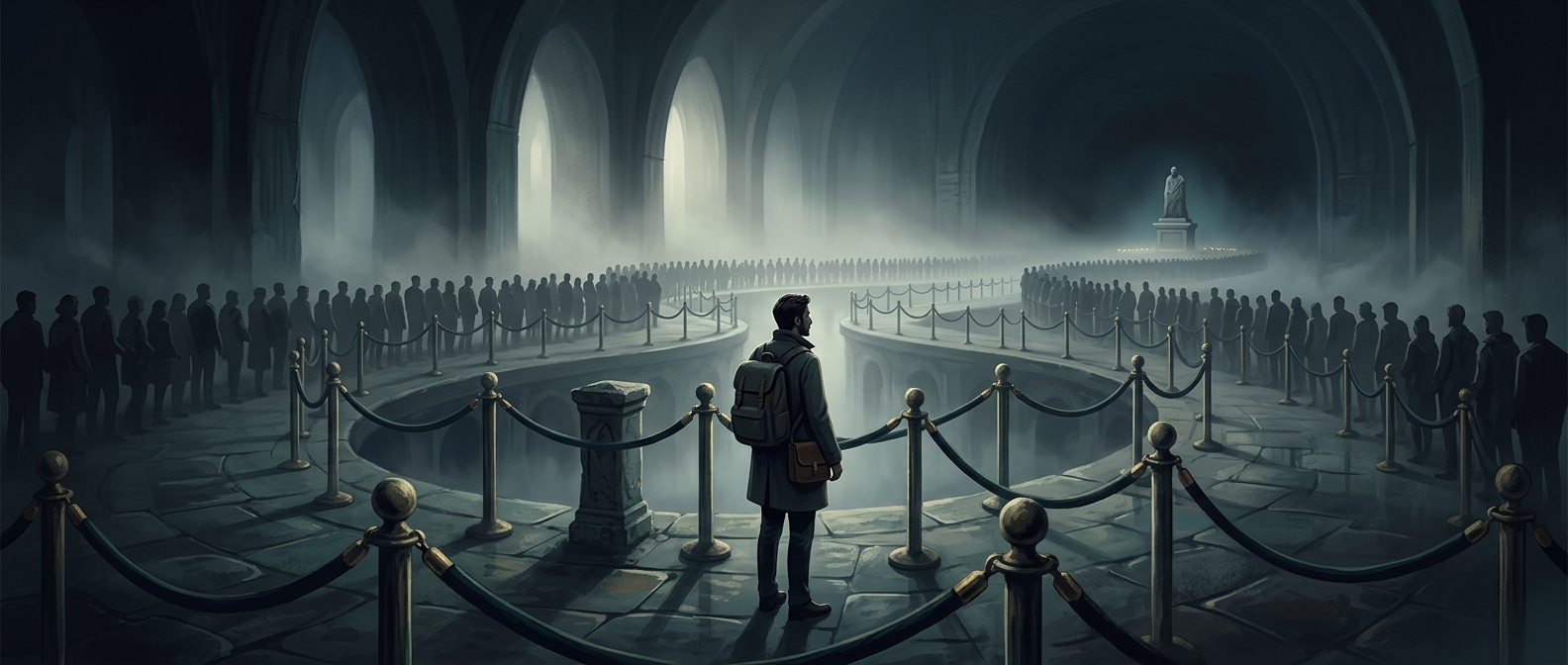
How a Viewpoint Becomes a Queue
A mountain summit may feel remote, but a famous sunrise spot can behave like a small public stage. The best photo often depends on the same narrow ledge, recognizable tree, or unobstructed horizon. When several visitors want that exact frame, they are not simply sharing a panorama; they are waiting for access to a particular patch of ground.
Social platforms help concentrate that demand. A post makes a location easy to recognize and reproduce: visitors arrive knowing where to stand, what to point a camera at, and sometimes what kind of shot they hope to make. The more familiar the image becomes online, the more likely it is to draw people seeking their own version of it.
The Camera Changes the Visit
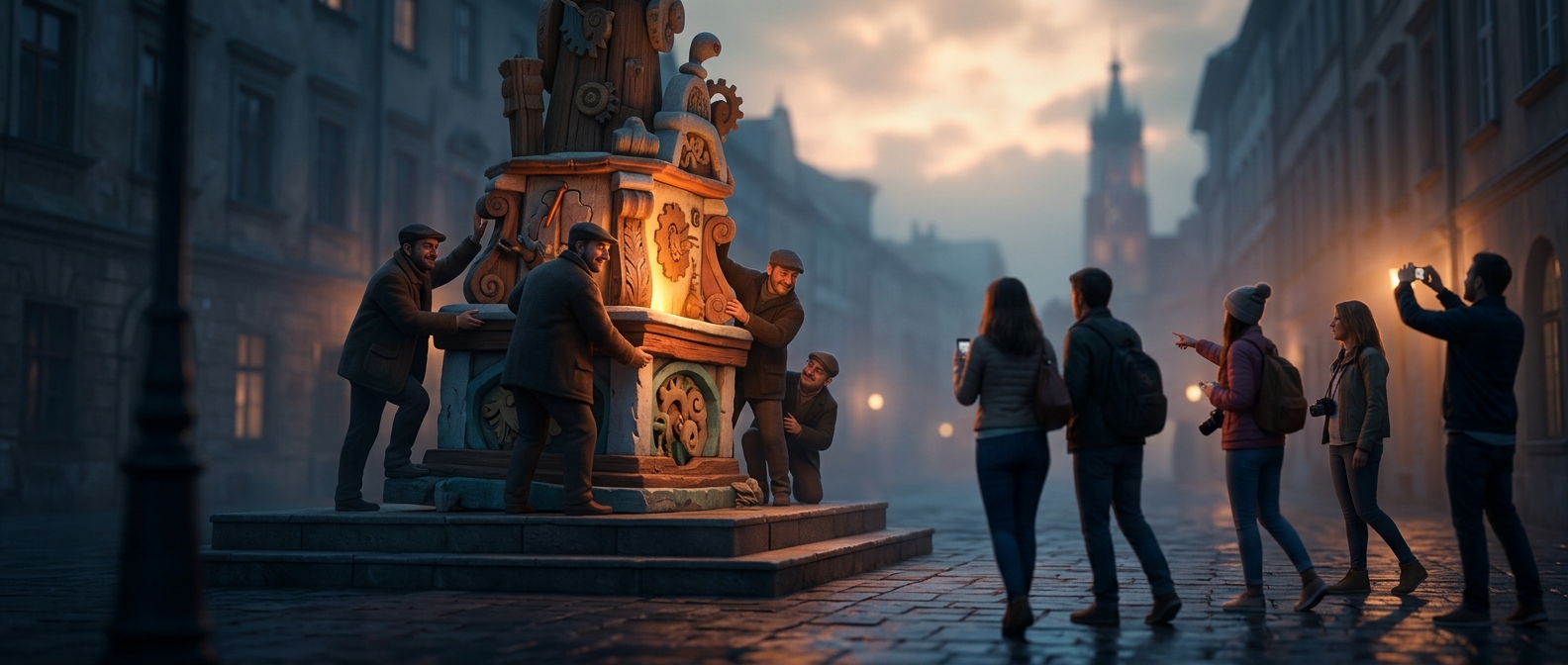
Making a short video can take longer than taking in the view. Someone may need to place a phone or tripod, repeat a walk into frame, or wait for other people to move out of the background. What looks spontaneous on screen can therefore require a carefully controlled moment on the trail.
That creates a mismatch between two kinds of travel. One visitor may want to watch the light change; another may be trying to capture a clean image before the light shifts. Neither motive is unusual, but a cramped overlook makes them compete for time and space.
Sharing the Stage
A practical way to ease the tension is to separate the photograph from the whole experience: take a turn at a popular spot, then step aside rather than treating it as a private set. The view does not become less beautiful because it appears in someone else’s frame. But on a narrow summit, leaving room for the next person can determine whether everyone gets to see it without a camera in the way.