Why cubic zirconia can pass for diamond at a glance
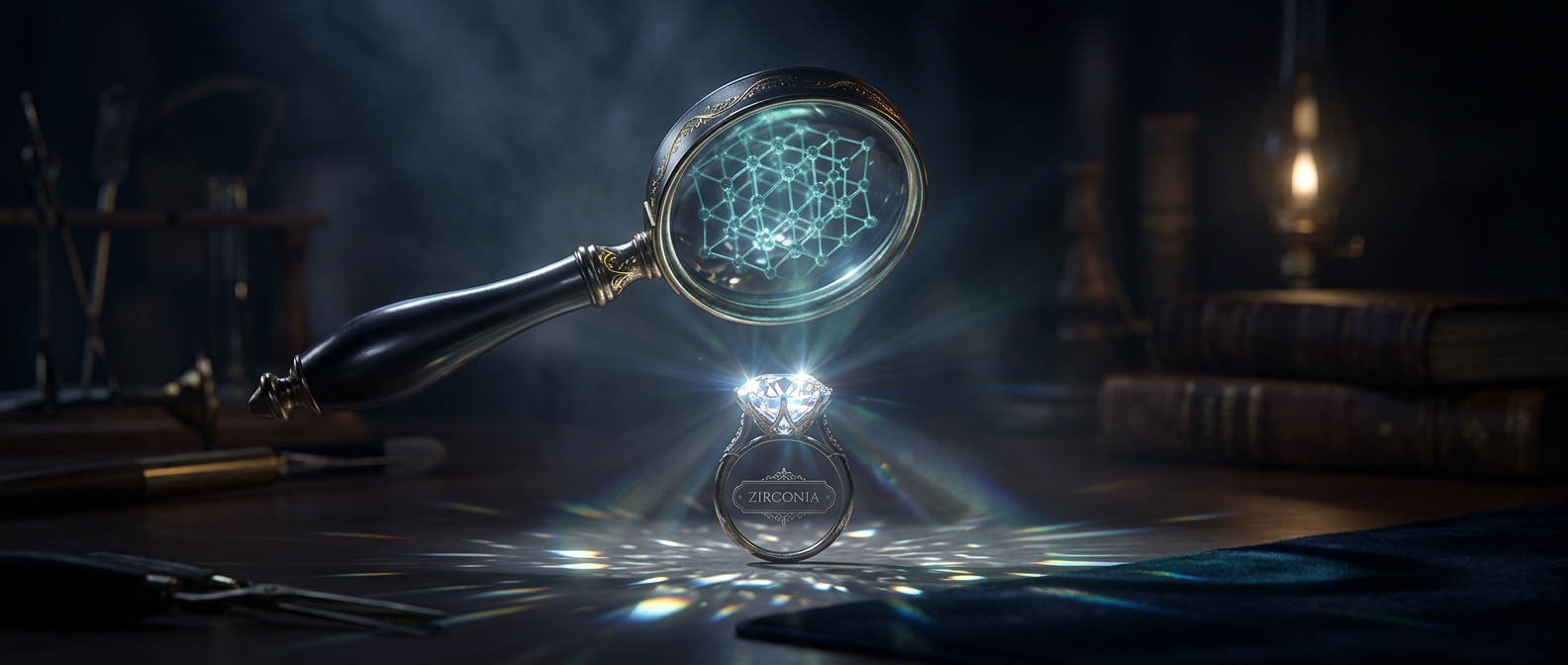
A gemstone’s sparkle is not a single effect. Light reflects from its polished surfaces, bends as it enters and leaves the stone, and can split into flashes of color. Cubic zirconia produces a bright, lively display through these same optical effects, so a well-cut piece can look convincingly diamond-like under jewelry-store lighting.
The resemblance comes from how the material interacts with light—not from sharing diamond’s composition. Diamond is made of carbon atoms arranged in a tightly bonded crystal. Cubic zirconia is zirconium dioxide grown in a crystal form that does not occur naturally under ordinary surface conditions. Its optical properties make it an effective look-alike, but the two stones are not chemically or structurally identical.
The tradeoff is visible over time
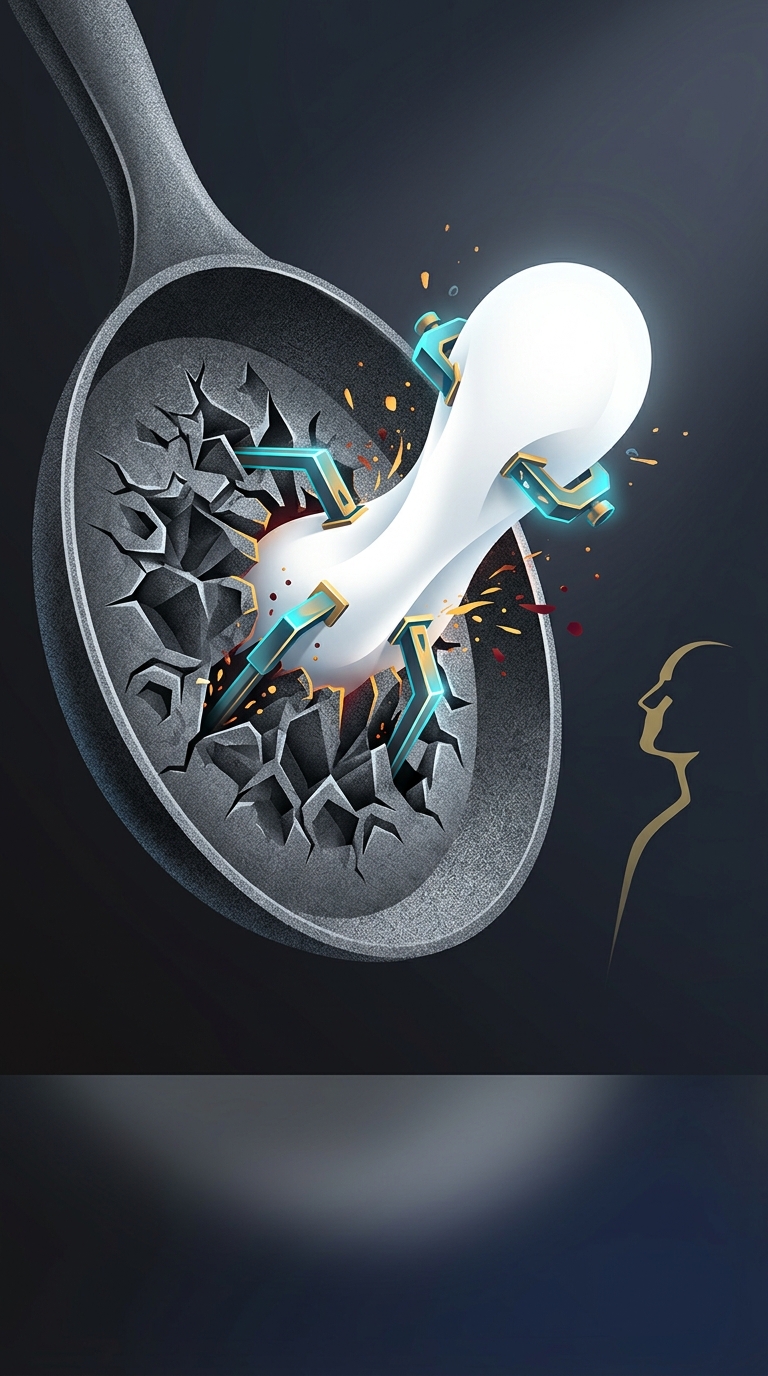
Cubic zirconia is softer than diamond, which means everyday contact is more likely to scratch its surface. Fine scratches scatter light instead of returning it cleanly, gradually dulling the crisp sparkle that made the stone appealing. The stone can still be an attractive diamond alternative, but its appearance may need more care to preserve.
The names can also cause confusion. Cubic zirconia is not natural zircon: zircon is a separate mineral, while cubic zirconia is a manufactured form of zirconium dioxide. The shared word reflects their chemistry, not an identity between the stones. A brilliant flash may make cubic zirconia resemble diamond, but its composition, durability, and name all tell a different story.