Remembering an event is not the same as feeling it was yours
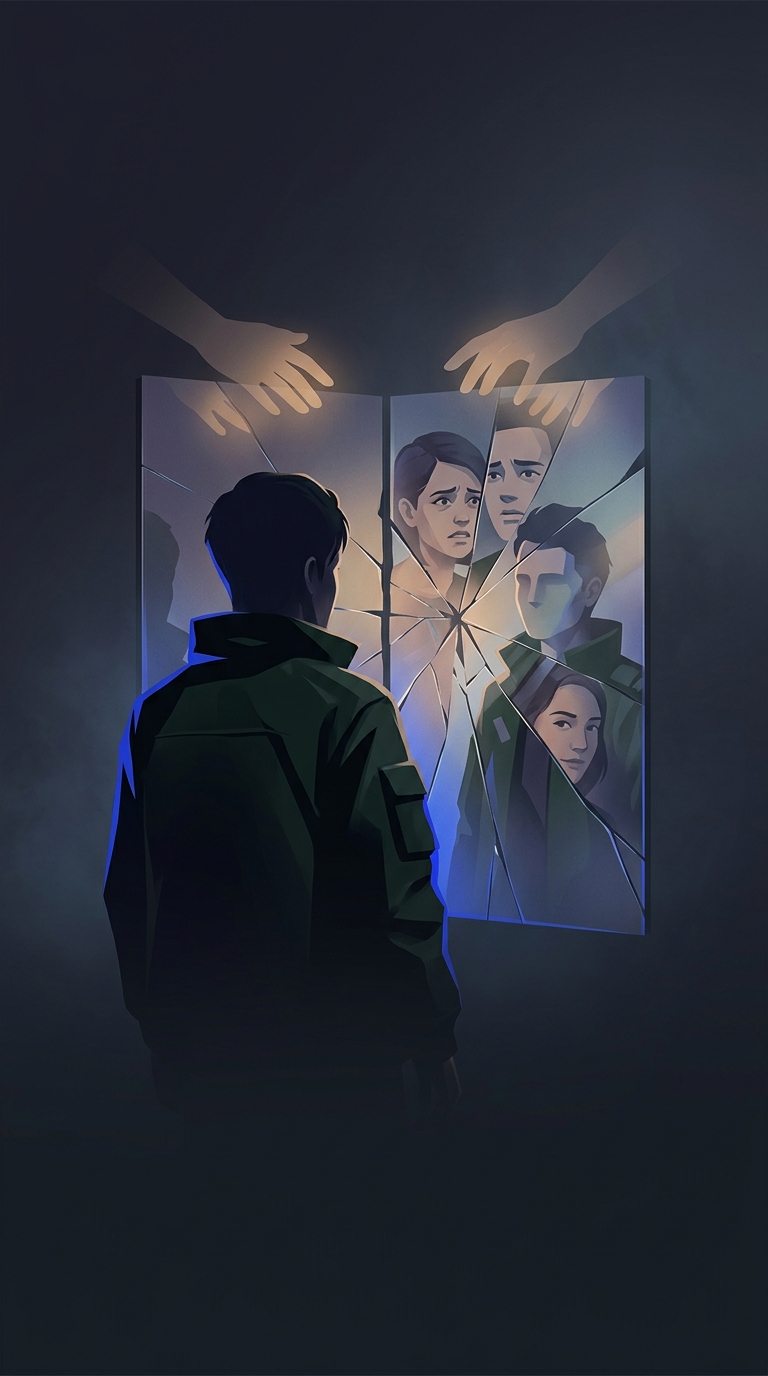
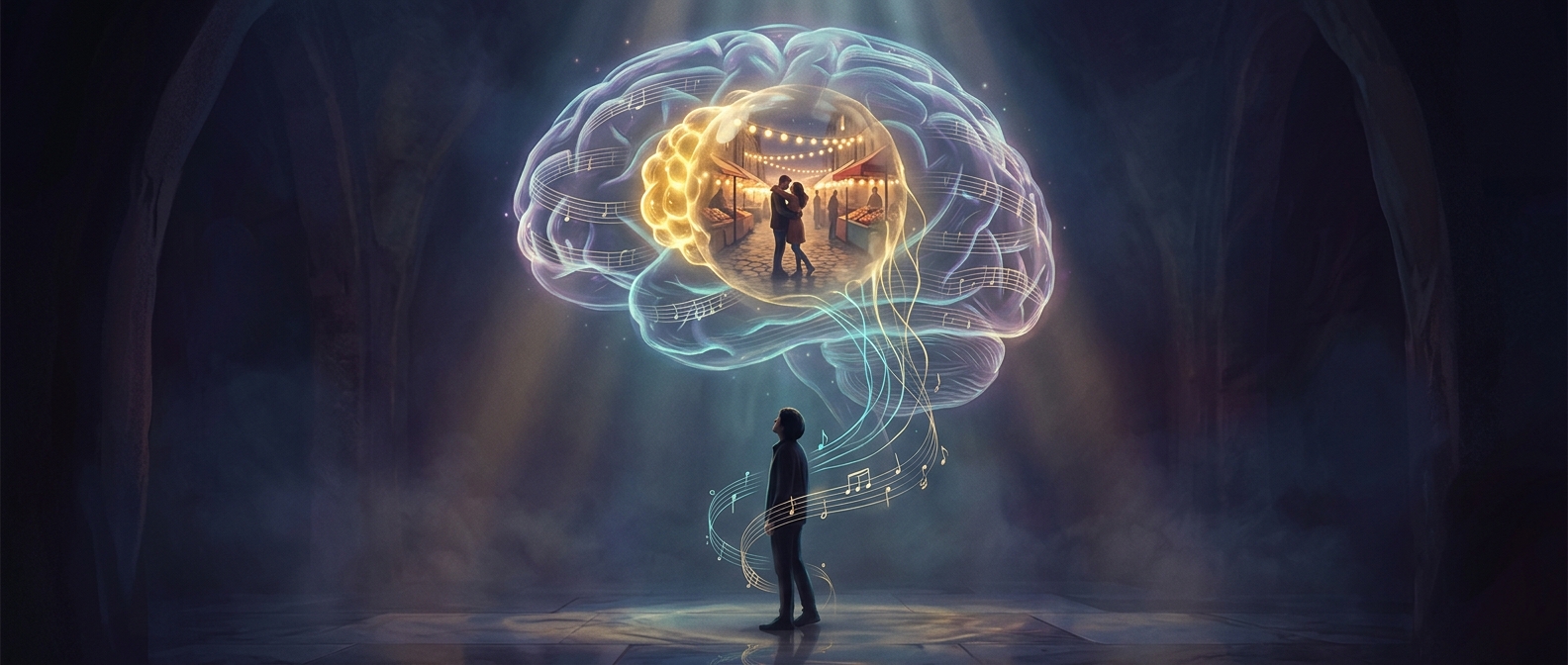
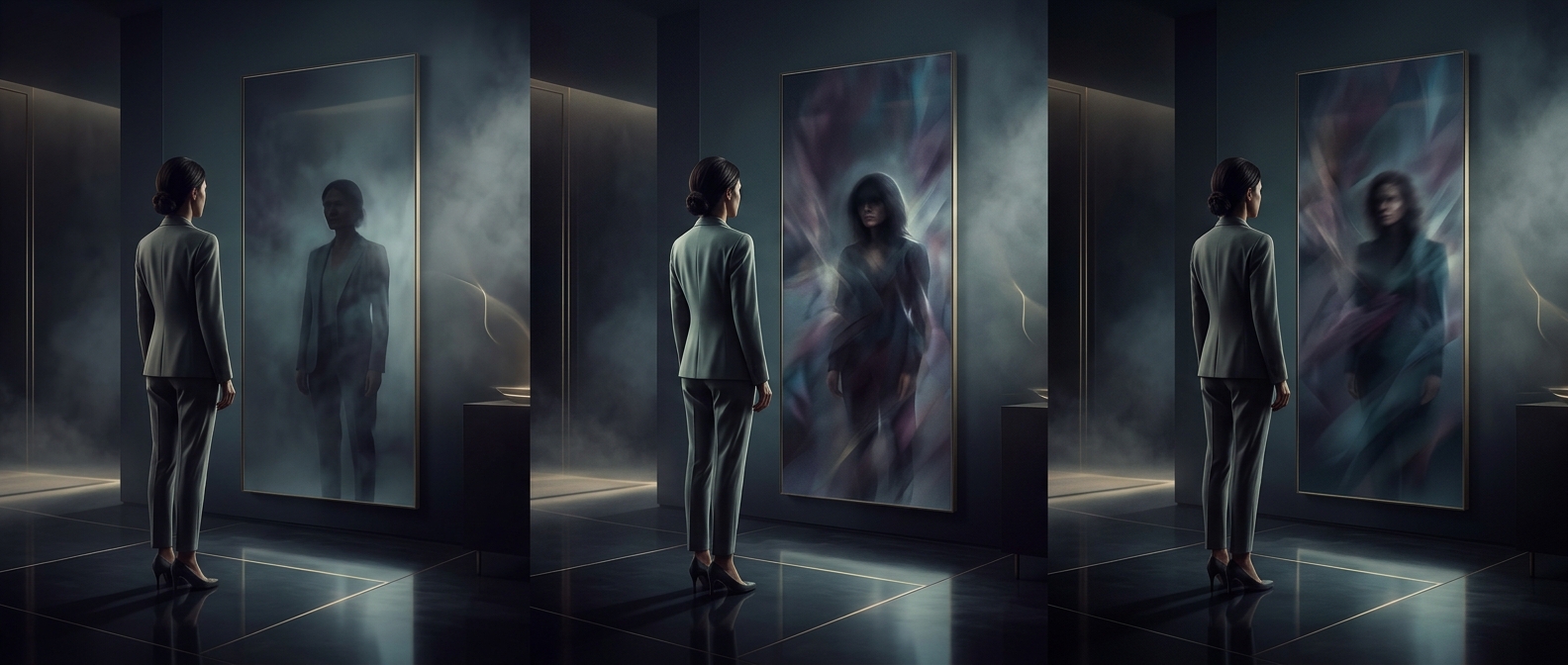
Autobiographical memory has more than one part. A person may recall the sequence of what happened while feeling little of the emotion, bodily sensation, or personal continuity that usually makes a memory feel like my experience. That mismatch can make a past version of the self seem distant, even when the facts are clear.
Distance can blunt an overwhelming experience
During or after trauma, some people experience dissociation—a sense of disconnection from their thoughts, feelings, body, surroundings, or sense of self. It is not a deliberate choice to forget. Detachment may reduce the immediate force of an experience that feels impossible to process, but it can also leave the memory feeling strangely unreal or separate from the person’s present life.
This response varies. Not everyone who experiences trauma feels detached, and feeling distant from a past self does not by itself establish a diagnosis. The distance may come and go: a reminder can bring back intense emotion, while at other times the same event feels as if it happened to someone else.
The gap can shape daily life
When a memory feels disconnected from the self, it may be harder to make sense of how the event changed a person’s expectations, relationships, or reactions. Someone might know why a situation is frightening in theory yet feel confused by their own strong response to it. The apparent contradiction is between what they can recall and what feels emotionally present—not proof that the memory is fabricated or that they have become a different person.
With support, people can work toward relating to the memory as part of their own history without having to relive it in every detail. The important shift is not making the past feel harmless; it is making room for the fact that the person who endured it and the person living now belong to the same life.