Why an Early Book Can Look Unfinished
A publisher needs a book in reviewers’ hands before publication day, so the review schedule often runs alongside the final stages of editing and production. An advance reader copy—sometimes called an ARC—is an early version made for that purpose. It gives reviewers time to read and prepare coverage, but it may be produced before every correction has been incorporated.
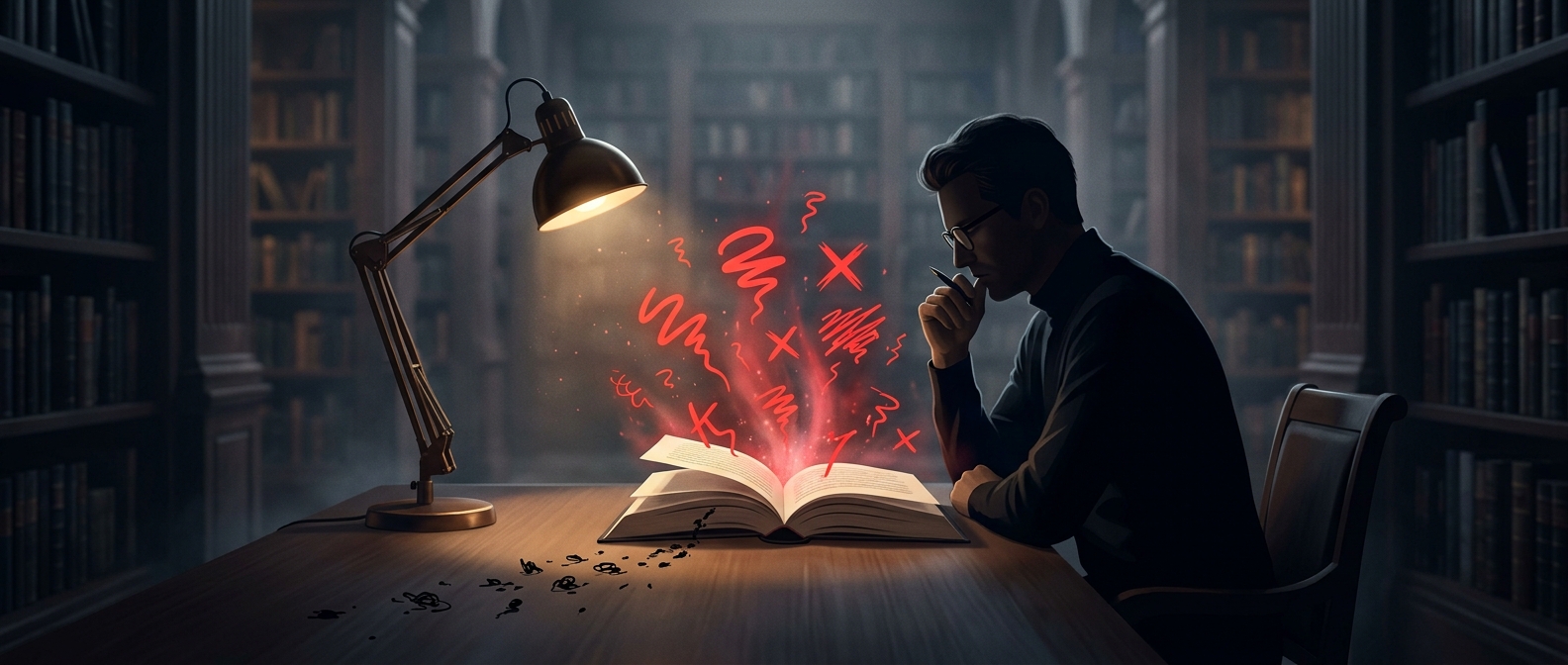
That timing can make the copy look rough in ways the published book will not. A typo may survive an earlier editing pass; a chapter may be absent from an incomplete file or production version. The book’s structure or wording can also still change. These are signs of a work in progress, not necessarily features of the edition readers will buy.
The Tradeoff Behind the Typos
Waiting for a fully polished book would leave reviewers less time to read it before release. Sending an earlier version buys that time, while accepting that some copies will contain mistakes or gaps. Publishers can use the advance period to build awareness and gather feedback, but the review copy is not the last checkpoint for the text.
For reviewers, the distinction matters: an advance copy is useful for assessing the book, yet it is not always a reliable guide to its final wording or completeness. A missing passage in an early copy may be restored, and an obvious typo may be corrected before printing. The odd error is therefore a small trace of the publishing calendar: the review process has begun while the book is still being finished.