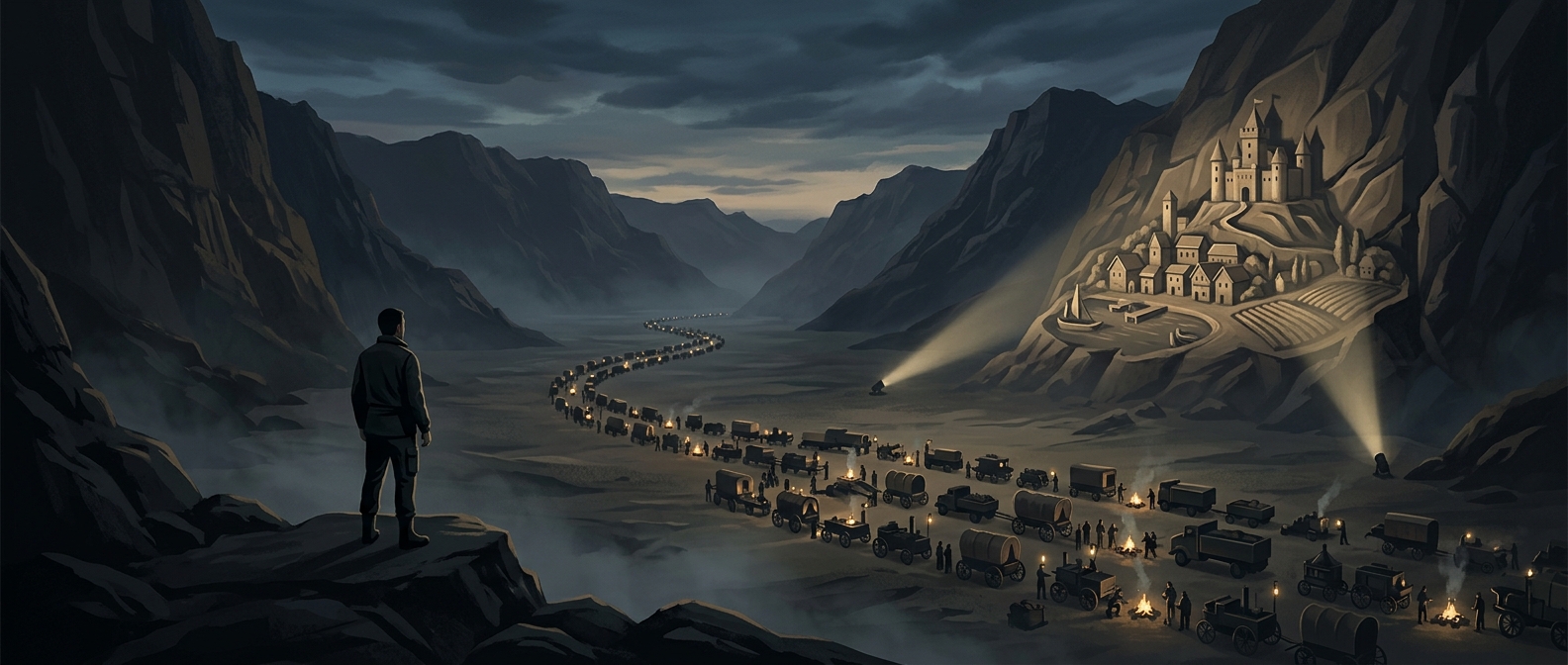
The hidden logistics behind a wilderness shot
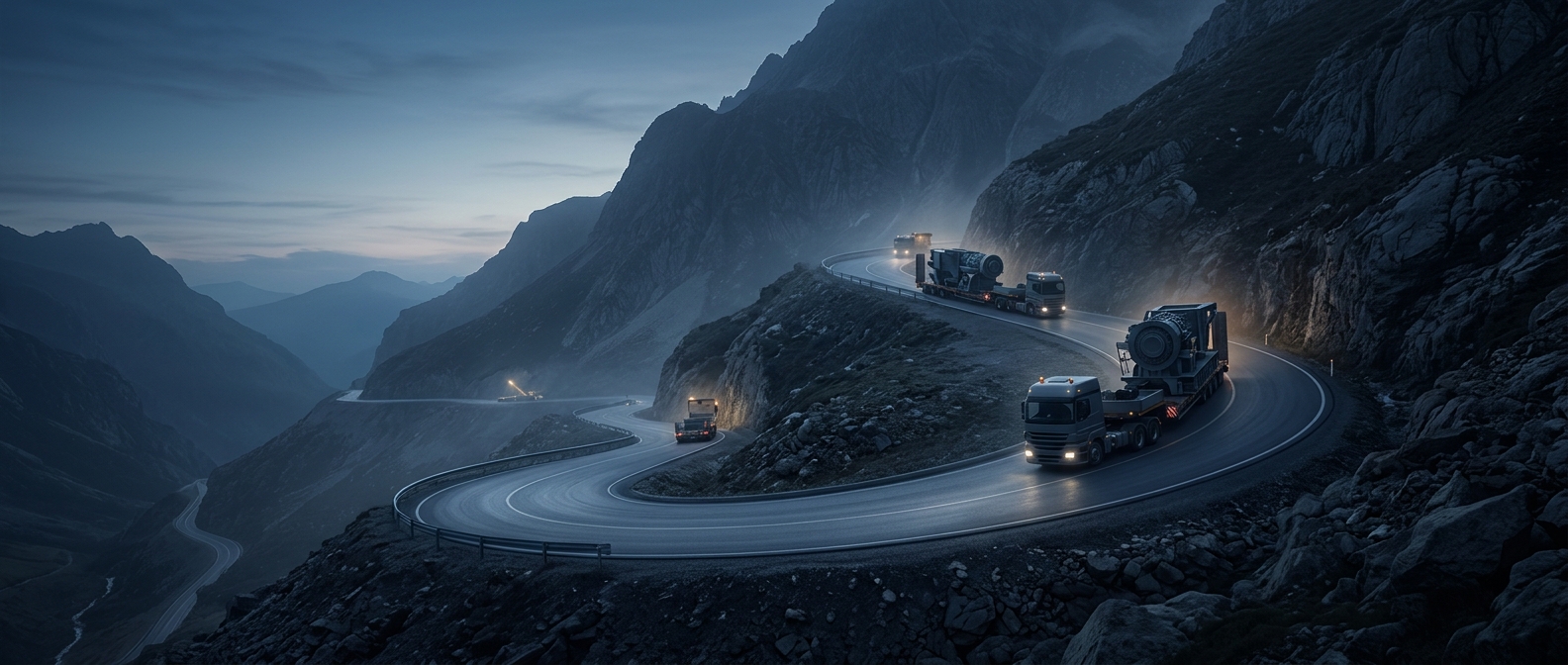
A remote location may look untouched on camera, but a film set has to function like a temporary worksite. Lighting equipment, power supplies, camera rigs, and supplies for the crew can be too heavy or bulky to carry in by hand. A dependable road lets trucks bring them close enough for crews to unload and build the set safely.
The road’s surface matters as much as its route. On soft or uneven ground, repeated vehicle trips can bog down in mud, damage equipment, or delay the carefully coordinated work of a shoot. A firm, drivable track makes access more predictable, especially when large vehicles must travel the same route throughout production.
Access shapes what can be filmed
Getting equipment in is only part of the challenge. Crews also need to move it between vehicles and the filming area, often while keeping a production on schedule. If trucks cannot get close, the production may need smaller loads, more manual hauling, or a different location—each affecting what the crew can accomplish.
That creates a tradeoff: the more remote the landscape, the more infrastructure may be needed to film there. Productions have to weigh that access against the disturbance and visual footprint of building a road. In the finished scene, the road may be outside the frame; behind the camera, it can determine whether the shot is practical at all.