Why feeding a film army becomes a production problem
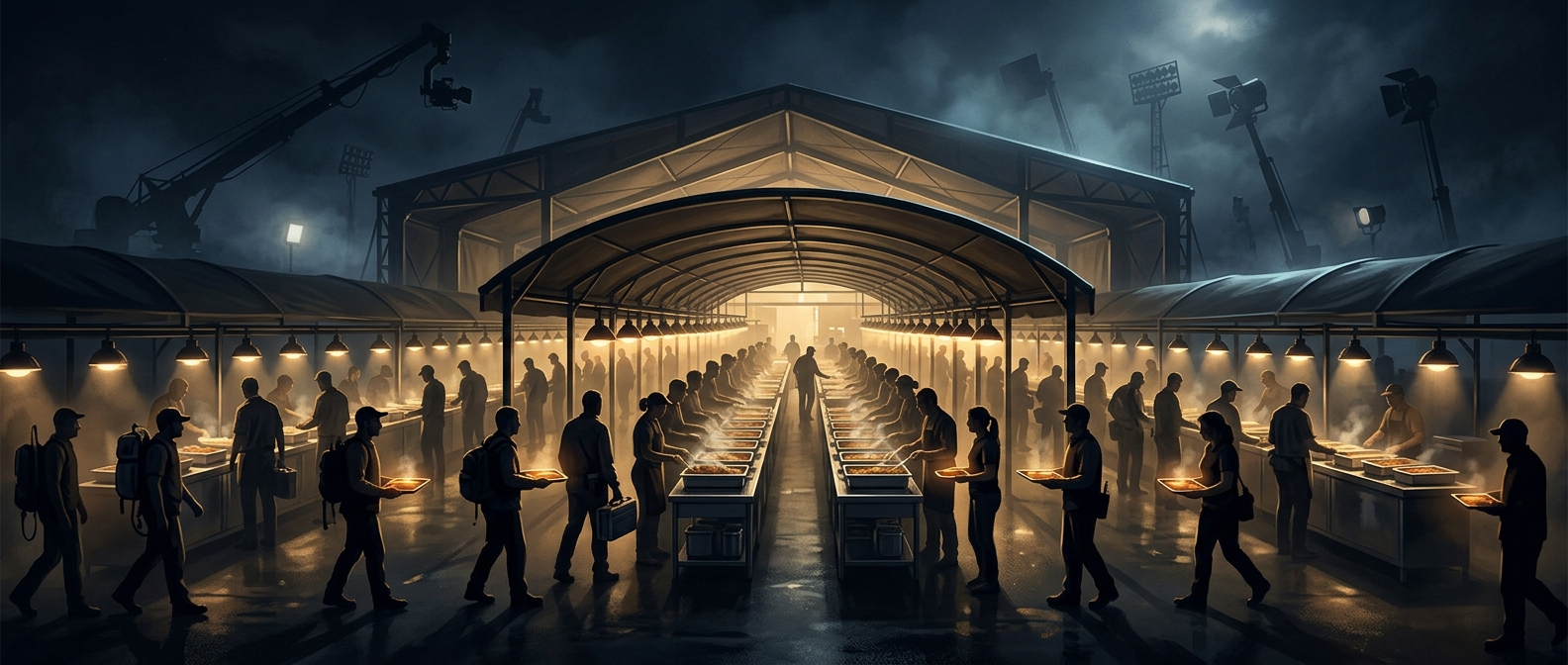
A scene filled with armored fighters is not just a visual effect. Each extra has to be ready on location, often far from restaurants or other services, and a large crowd cannot simply step away to find lunch without disrupting the day’s schedule. Production catering has to bring food to the set, serve it quickly, and keep people fed through long stretches of filming.
That makes meals a repeating logistical operation. The crew must plan quantities, transport ingredients and equipment, organize serving lines, and handle cleanup. Hot food adds practical demands: it needs to be cooked or kept at a safe temperature even when the set is remote. With thousands of people and several meals a day, modest costs per person can accumulate rapidly.
The cost is in repetition and scale
Camera equipment can be costly, but it is a concentrated expense: a production rents or buys a finite set of tools used by a comparatively small camera team. Feeding extras is different. The expense returns every day the crowd is on set, and it grows with the number of people, meals, and days required.
Remote locations widen the gap. Food and catering supplies have to reach the cast and crew rather than the other way around. Meanwhile, armored costumes can make a long day physically demanding, so meals and breaks are part of keeping the crowd able to work—not an optional perk that can be cut without consequence.
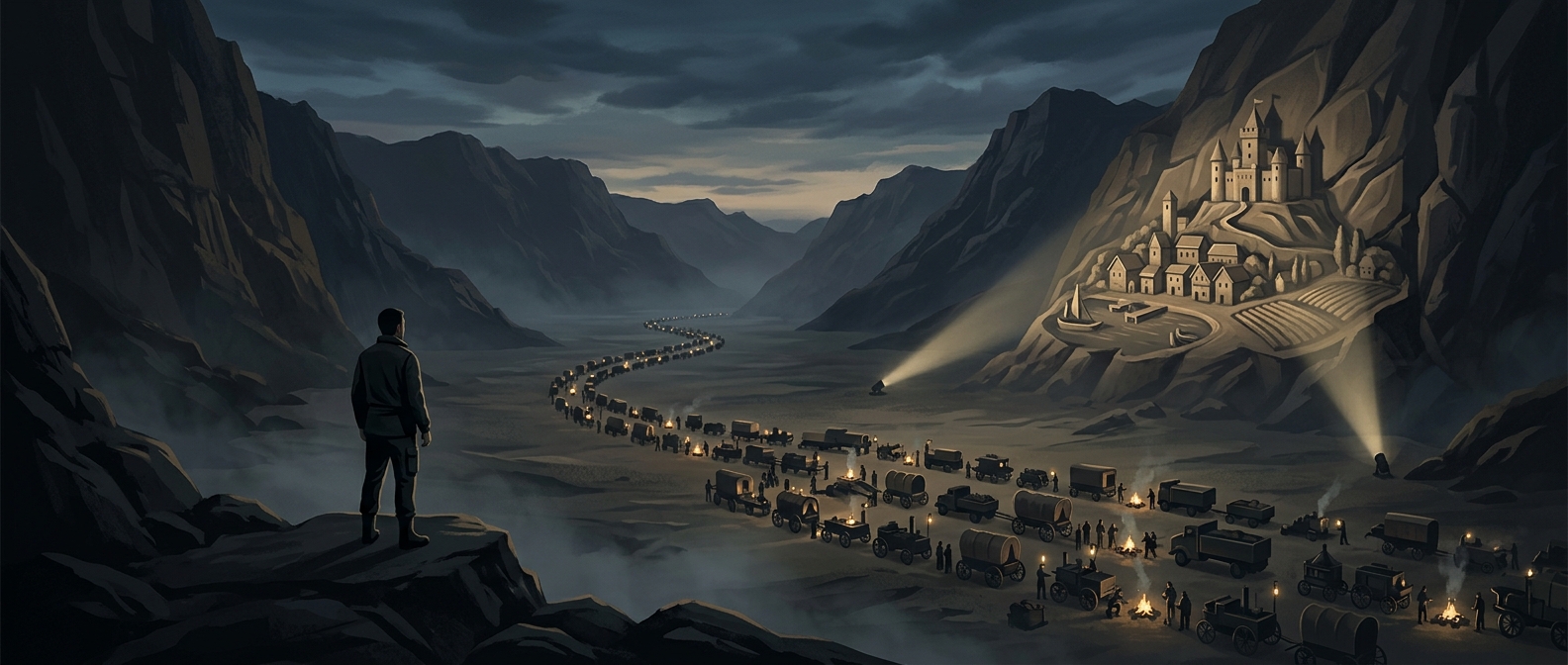
The comparison is not a rule that catering always costs more than cameras. It shows how an apparently ordinary need can dominate a production budget when it must be met repeatedly for a huge cast in an inconvenient place. On a fantasy film, the army on screen may be fictional; the daily operation needed to feed the people playing it is very real.