The tent is a living-insect holding area
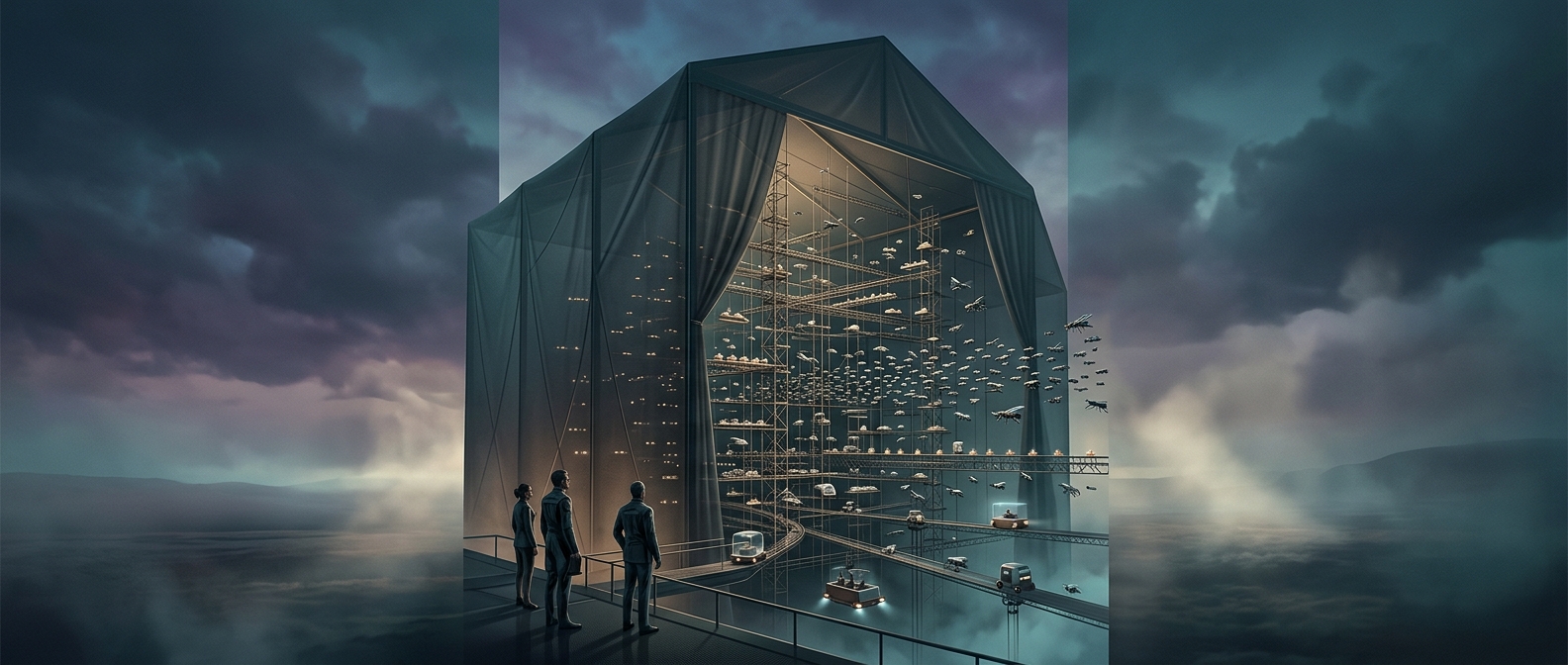
A production using thousands of insects has to keep more than a large supply on hand: it has to keep that supply alive and in usable condition. Insects are ectotherms, meaning their body temperature depends largely on their surroundings. A change in room temperature can alter how quickly they move, while unsuitable conditions can harm them. A controlled tent gives handlers a place to manage the environment instead of relying on whatever temperature a studio happens to be.
Why keep the groups apart?
Separate enclosures make it easier to care for different kinds of insects and keep track of what is available. Their food and care needs can differ, and mixing groups can make counts, handling, and preparation harder. The setup also lets the crew bring forward only the insects needed for a particular shot, rather than exposing the entire supply to the activity of the set.
That matters because a scene may require insects to behave consistently across multiple takes. Their movement is not a prop setting that can simply be reset; it depends on living animals and their conditions. The tent is therefore less like storage than backstage support for a very small, moving cast.