Why Iron Man Looked Like a Risk
Before his 2008 film, Iron Man was not one of the comic-book heroes whose name alone could reliably sell a movie. For a studio, that made him a harder bet: audiences might not recognize the character, while the film would still need to make his elaborate mechanical armor look convincing and exciting on screen. Paramount’s hesitation reflected a familiar entertainment-industry calculation—an established name can seem safer than an unfamiliar one, even when the unfamiliar character has a strong story.
The Cave Made the Character Legible
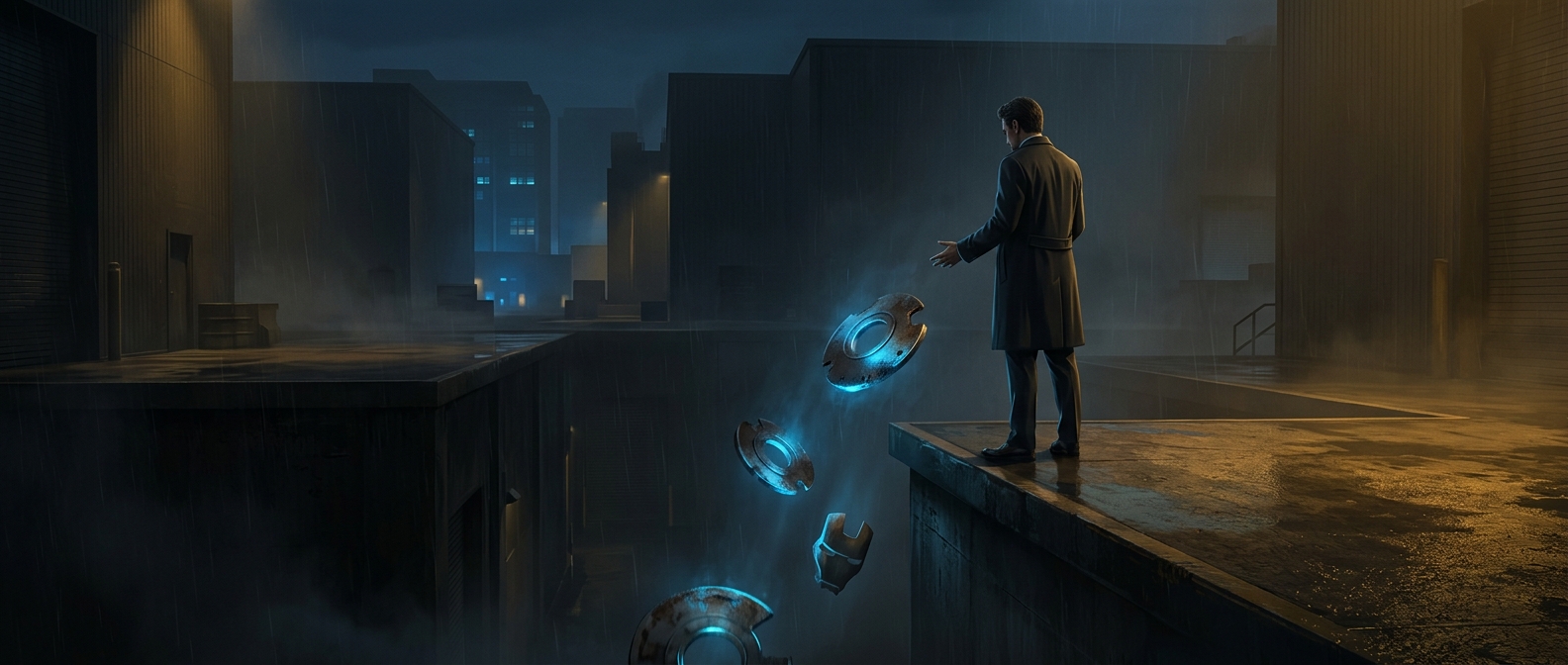
Iron Man’s origin offered a way around that problem. Tony Stark is not simply handed a superpower; trapped in a cave, he builds a crude suit of armor to escape. The sequence turns an abstract comic-book premise into a clear chain of cause and effect: danger forces invention, and invention gives the hero a way out.
That matters because the audience can understand the character through what he does. The armor is both his defense and his creation, making engineering part of the drama rather than just a visual effect. The story also gives the film room to introduce Stark as a person before asking viewers to care about a larger superhero world.
The Cost of Misjudging Familiarity
A lesser-known character can be a commercial disadvantage, but it can also leave filmmakers more room to define him for newcomers. Iron Man’s eventual success showed how a vivid origin and a distinctive central idea could make a relatively obscure hero feel accessible. The cave is more than a dramatic starting point: it is the moment the audience sees the movie’s central promise—that the hero’s power begins with a problem he has to solve himself.