When the Animals Left, the Ring Had to Change
Animal acts once supplied a familiar circus rhythm: a trained creature entered, performed a recognizable feat, and gave the audience a moment of danger or wonder. Without that structure, Cirque du Soleil could not simply remove one type of act and leave the rest of the show untouched. It had to make human performers and the world around them carry the spectacle.
Acrobatics Became the Main Event
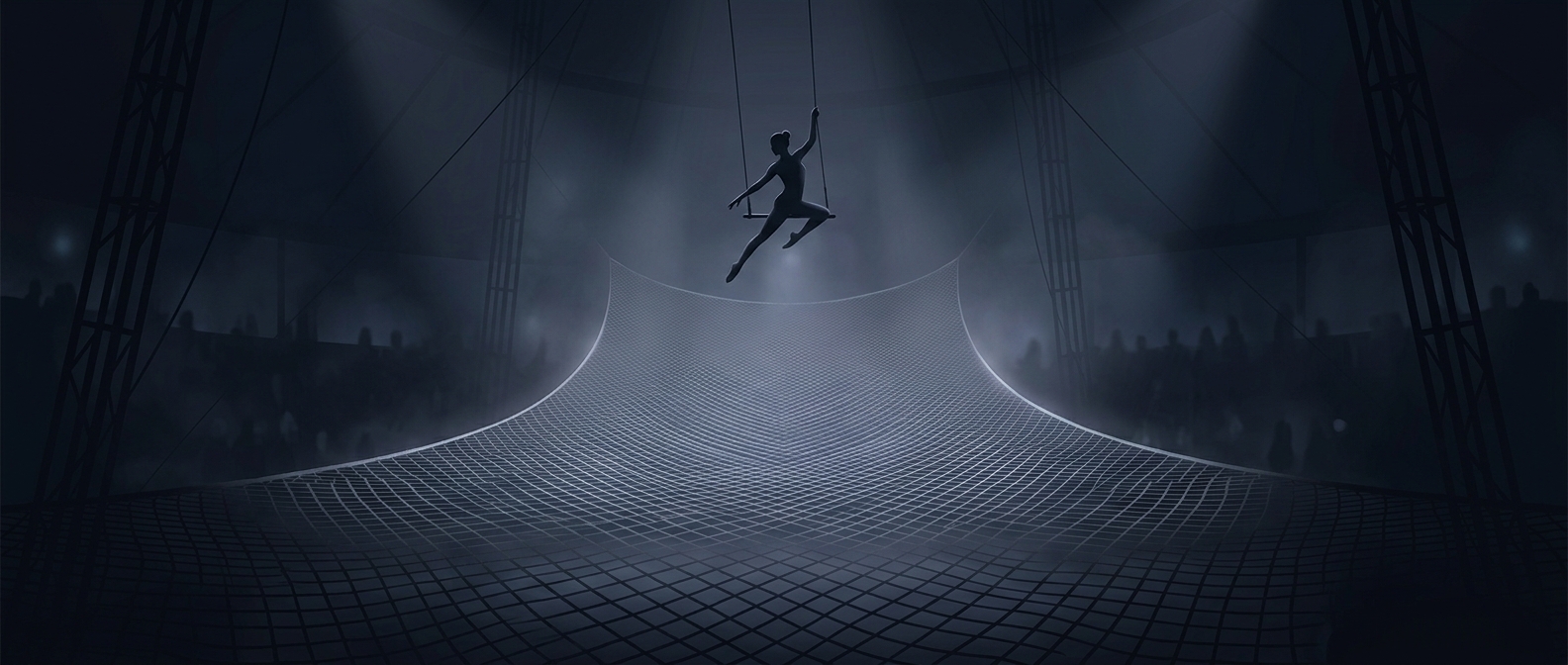
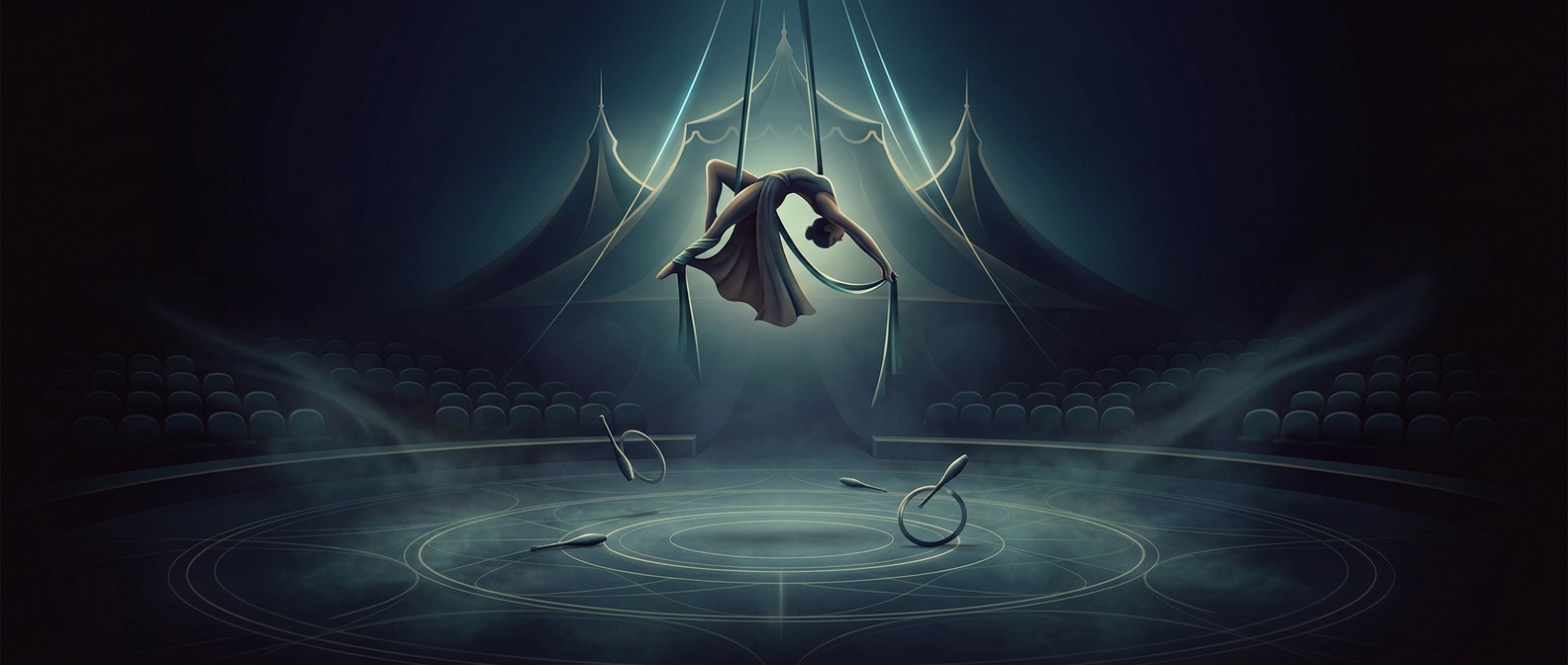
That shift put acrobats, contortionists, clowns, and other performers at the center. Their bodies became the source of risk and surprise: a leap could miss, a balance could waver, and a fall could be caught at the last instant. Because those feats are performed live, the audience sees both the skill and the possibility of failure.
The change also opened space for theatrical storytelling. Music, costumes, lighting, and stage scenery could connect separate acts into a shared mood or imagined world. Rather than presenting a sequence of attractions, a show could feel like a continuous experience—with transitions and visual motifs helping the audience follow its emotional flow.
A Different Kind of Circus
The result was not merely a circus with fewer acts. It was a different balance of ingredients: less emphasis on animal training and animal spectacle, more on choreography, character, and production design. That choice also changed what the company had to build around each performance. The human acts and their settings had to provide the variety and scale that audiences might once have associated with a parade of animals.
The transformation is visible in the basic question each act asks: not “What can this animal be trained to do?” but “What can a person’s body, placed in this imagined world, make an audience feel?”