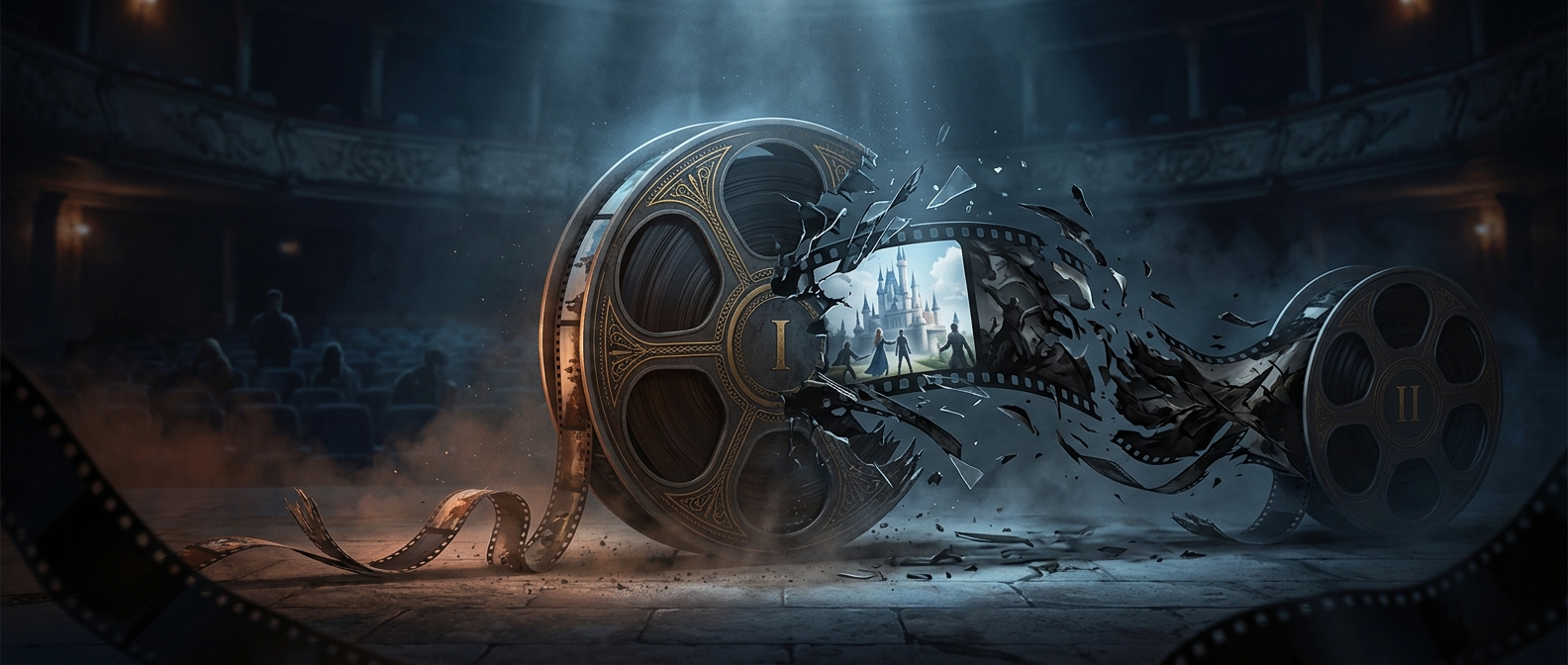
When a story ends but the franchise does not
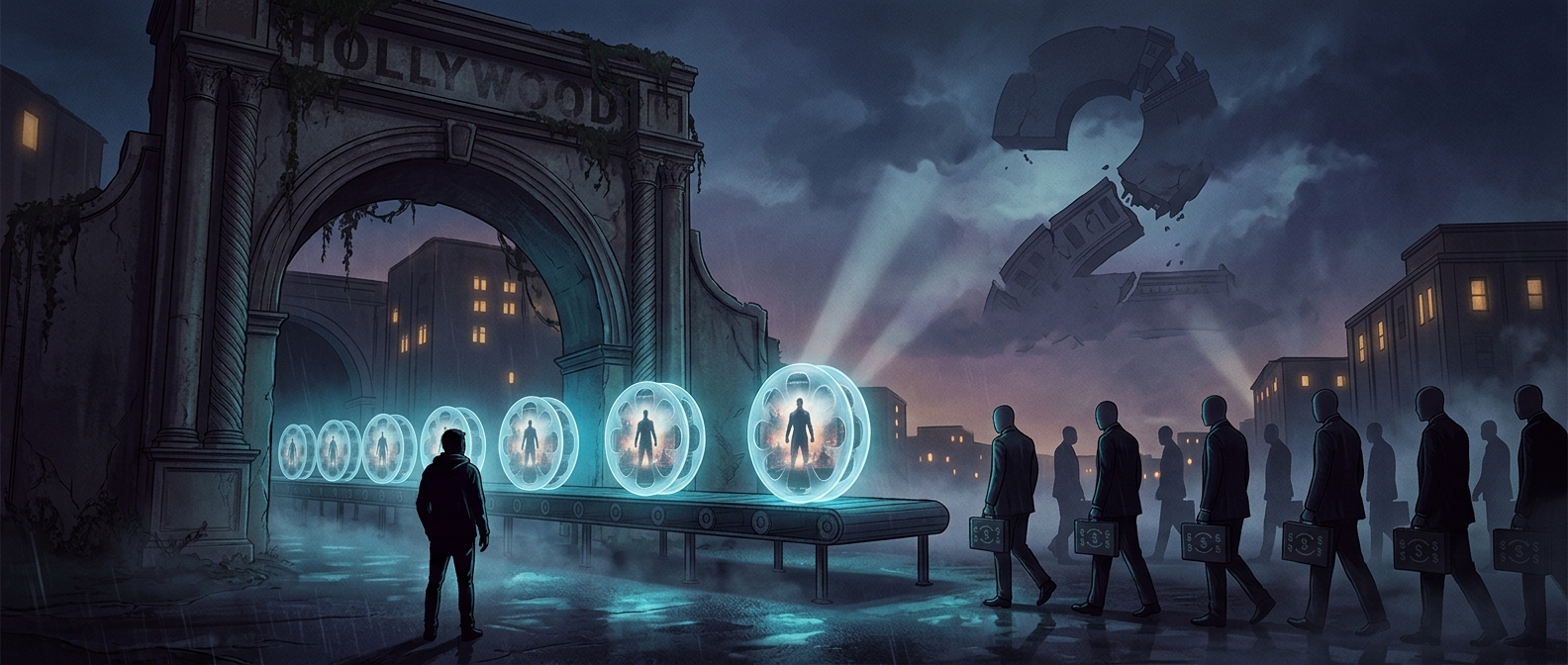
A film can resolve its central conflict and still leave behind a valuable setup: recognizable characters, a distinct world, and an audience that already knows what the next installment is about. For a studio, that familiarity can make a follow-up easier to position than an entirely new property. The sequel does not need to continue the original plot; it can reuse the same world to tell a new story.
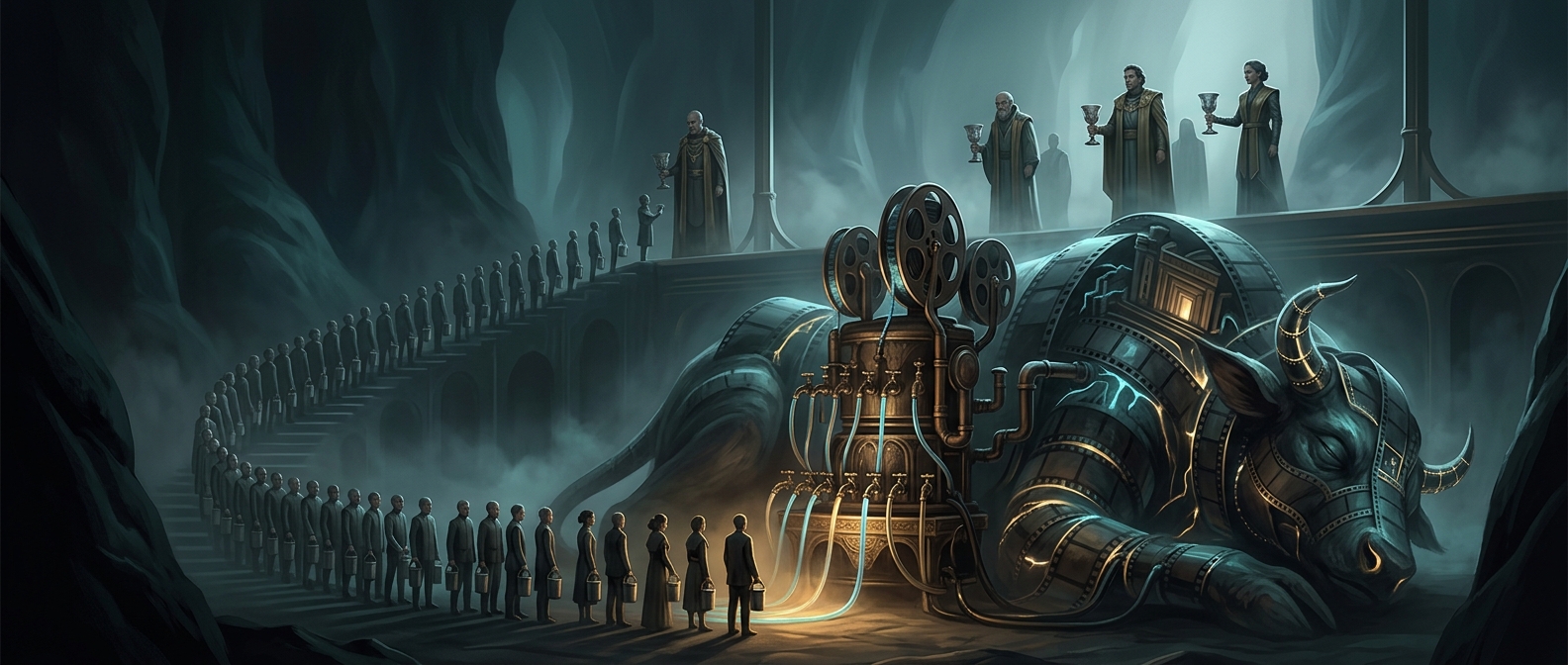
That is the commercial logic behind extending a completed saga. A profitable release gives a studio evidence that people will pay attention to the franchise, while another installment offers a fresh chance to earn from tickets and related products. Familiarity is an asset—but not a guarantee. A sequel still has to attract viewers, and each additional film risks making the series feel less compelling.
The story becomes a repeatable product
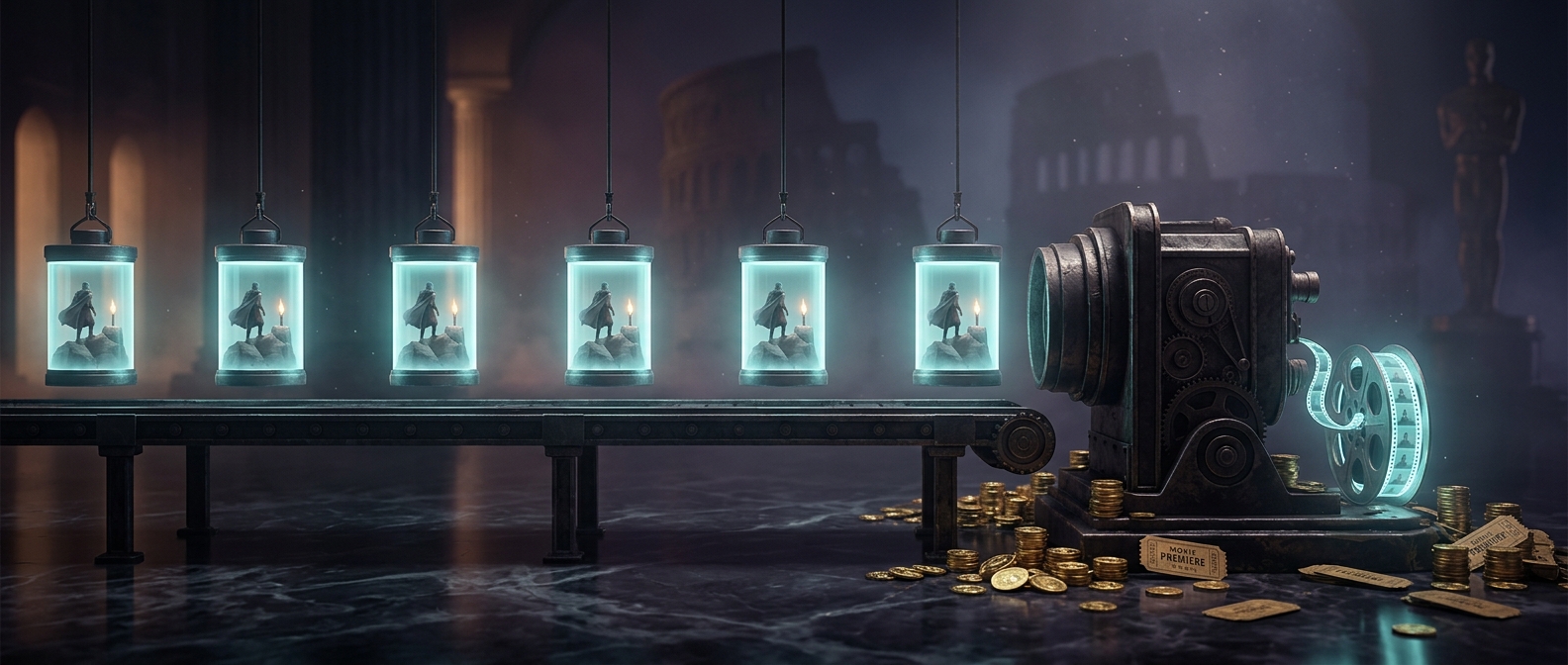
Once a series succeeds, planning may shift from asking “How does this story end?” to asking “What can this world support next?” That change can shape the writing: a final confrontation may be settled, but a character, setting, or unresolved consequence can provide a new starting point. In some cases, the next film is less a continuation of the original arc than a new entry built to keep the franchise active.
The tradeoff is creative as well as financial. Extending a story can give audiences more time with characters they enjoy, but it can also weaken the force of an ending if later films reopen conflicts that seemed settled. The recognizable universe helps a sequel get noticed; the filmmakers still have to give viewers a reason to care about this particular chapter.