Familiar stories make sequels easier to choose
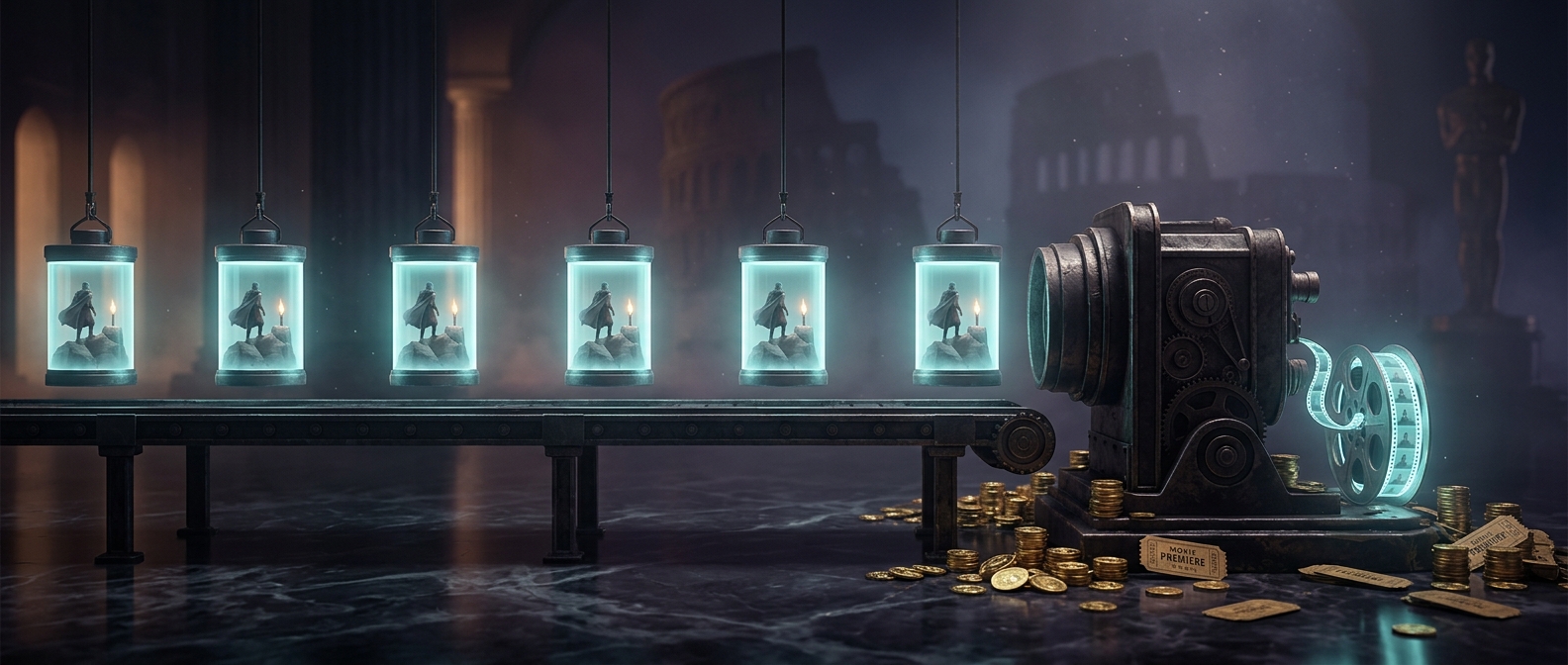
A sequel arrives with an advantage a new film cannot offer: viewers already know its hero, world, and basic promise. That recognition lowers the effort of deciding whether to buy a ticket. Studios, meanwhile, can build on an established audience instead of asking moviegoers to care about an unfamiliar character from scratch.
But familiarity also sets expectations. People often return to see the qualities they liked before—the witty detective, the reckless pilot, the hero who learns to trust others. A sequel that changes too much can feel like it has abandoned the series’ appeal. Repeating a central conflict or lesson helps signal that this is still the same kind of story.
The challenge is repetition without a rerun
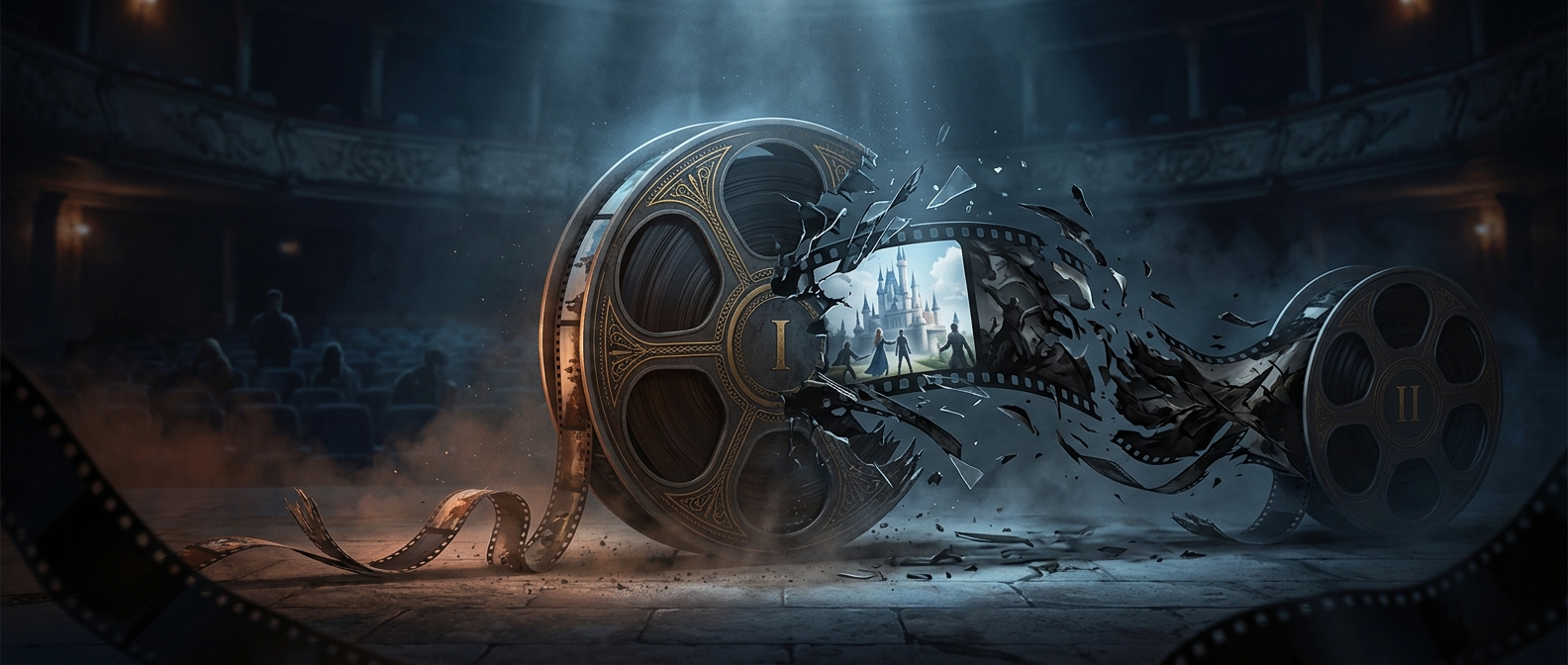
Writers can preserve the emotional pattern while changing its circumstances. A hero who once learned to work with a team might face a new crisis that tests whether that lesson has lasted. The broad arc feels recognizable, but the new setting, relationships, or consequences give it a different shape.
That balance is useful to studios, but it can frustrate viewers when the character appears to have learned nothing. If a sequel resets the hero to the same flaw and resolves it in the same way, the familiar structure stops feeling reassuring and starts feeling mechanical. The story’s real test is whether the old lesson means something different now—or whether the film is simply asking audiences to watch it happen again.