Why a Dark Stage Gets One Light
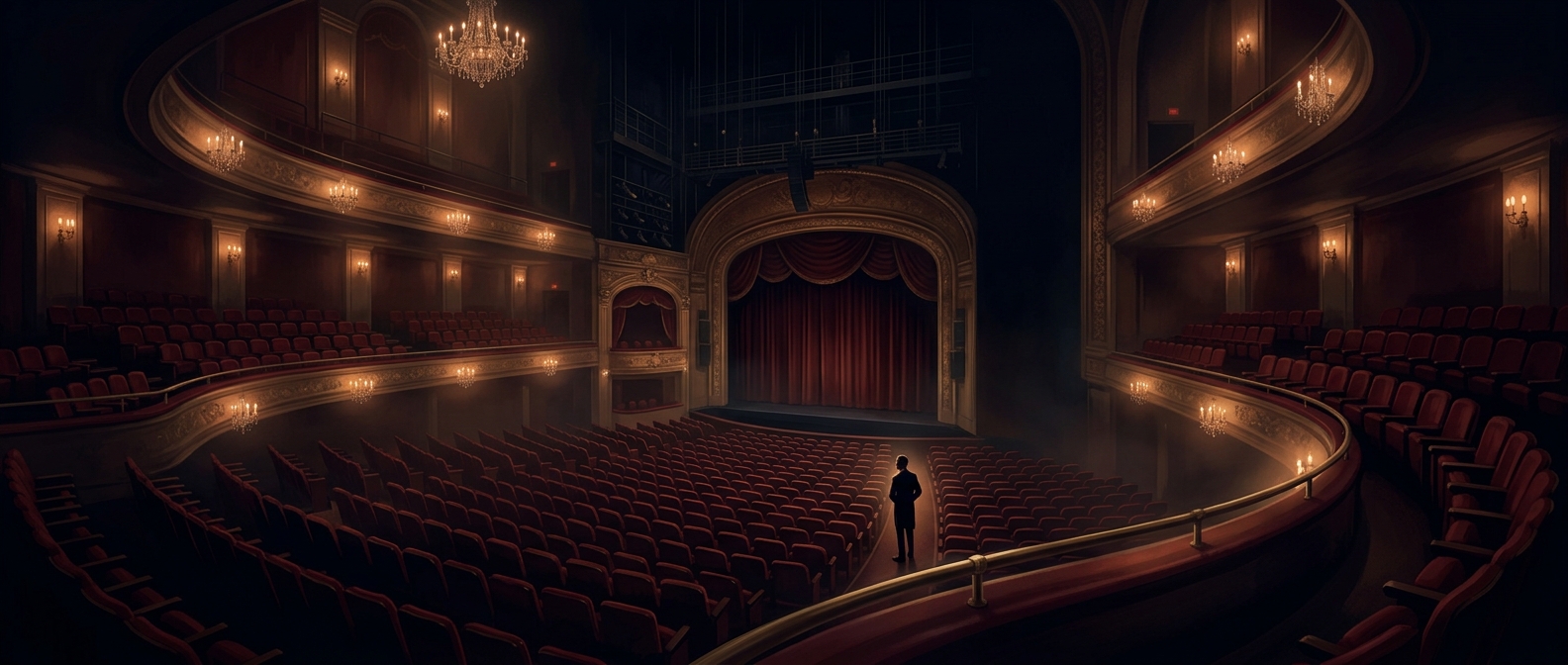
When a performance ends, the theater changes from a bright, busy workplace into a dark room full of steps, platforms, cables, and scenery. Someone may still need to cross the stage or work there before the next show. A small light makes those obstacles easier to see without illuminating the entire theater.
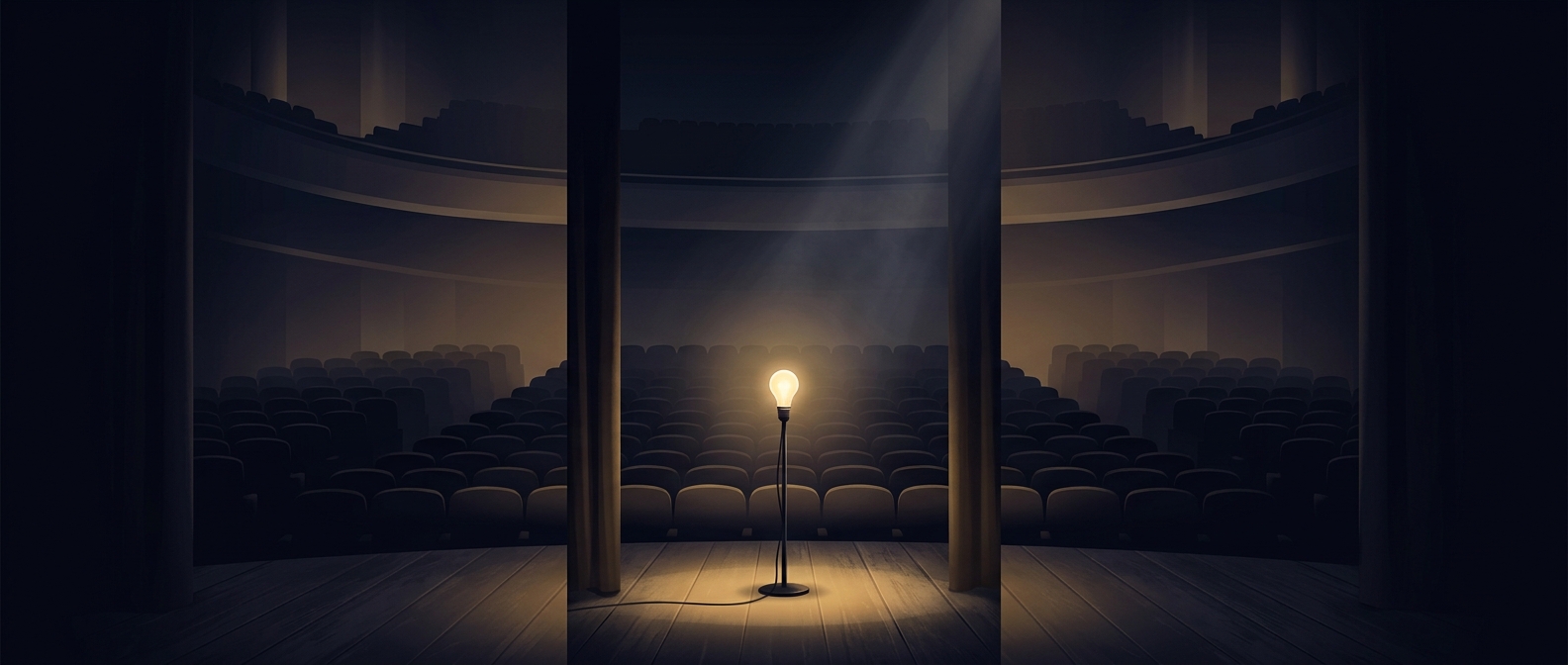
The light is commonly called a ghost light. It is a practical marker in a space where the stage and its edges can disappear into darkness; it is not a substitute for proper lighting when people are doing detailed work. Its modest glow also preserves the theater’s nighttime quiet rather than making the empty room feel as bright as it does during a performance.
A Practical Lamp With a Supernatural Name
The ghost story gives the useful fixture a theatrical personality. In theater lore, leaving the light burning is said to appease the spirits believed to inhabit the stage. That belief belongs to the tradition of theater superstition, not to a demonstrated explanation of how the lamp works.
The two meanings fit neatly together: the light helps living people navigate an empty stage, while the name acknowledges the stories actors tell about the place after everyone else has gone home. So even when no performance is scheduled, the theater is not quite left in total darkness.