The fade is part of the performance’s first cue
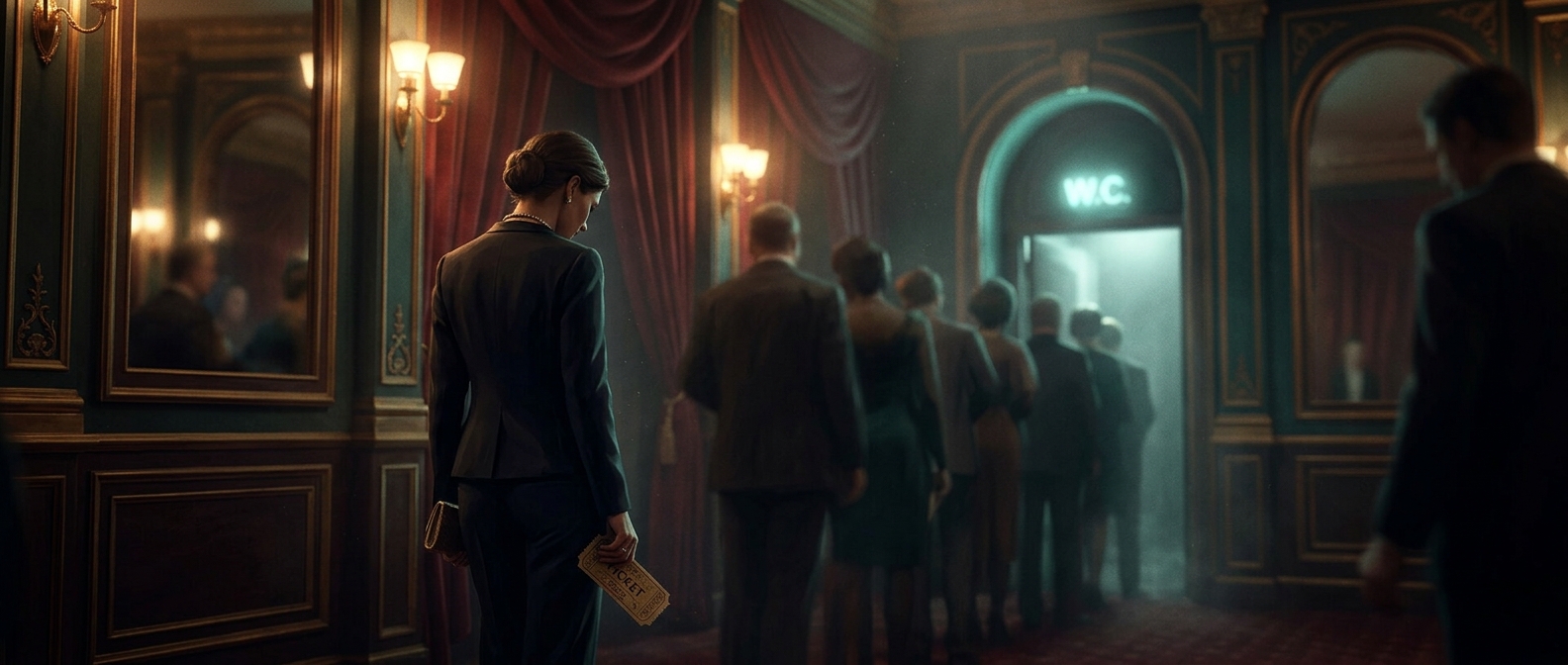
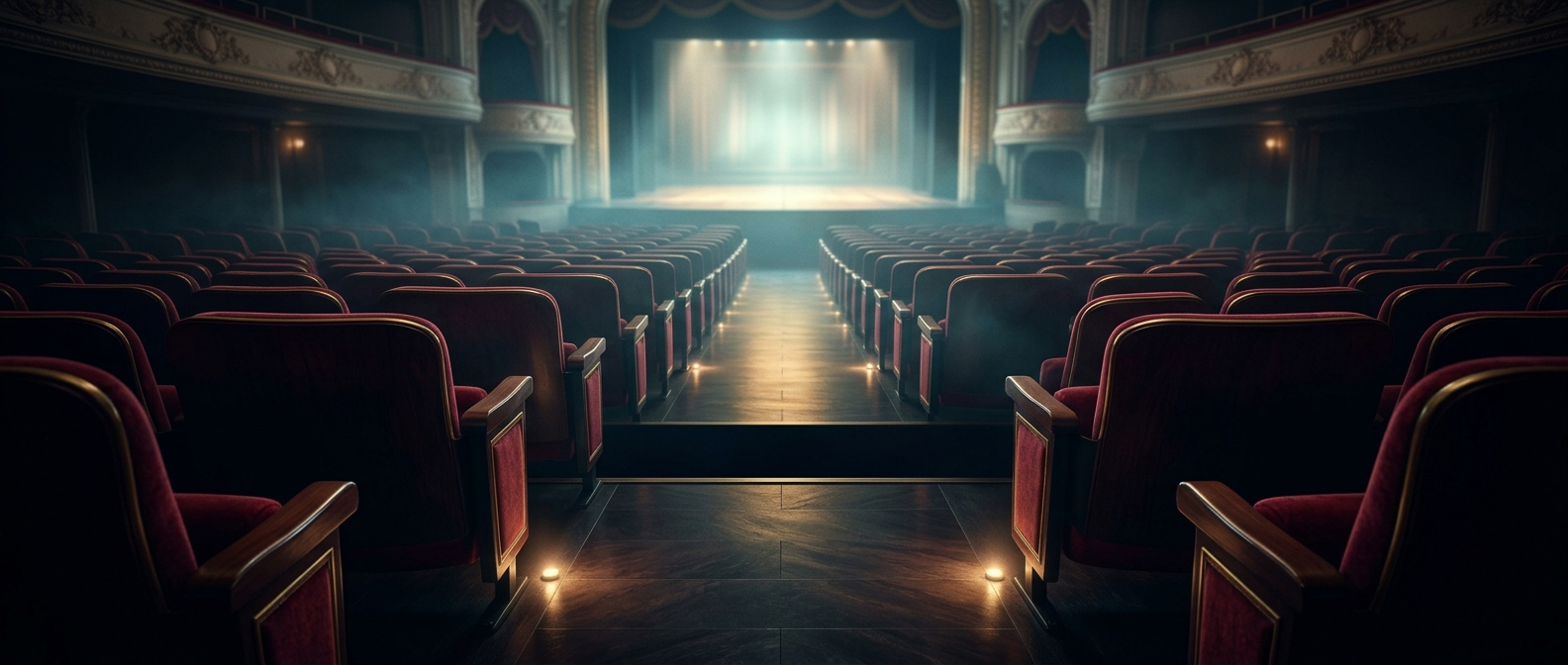
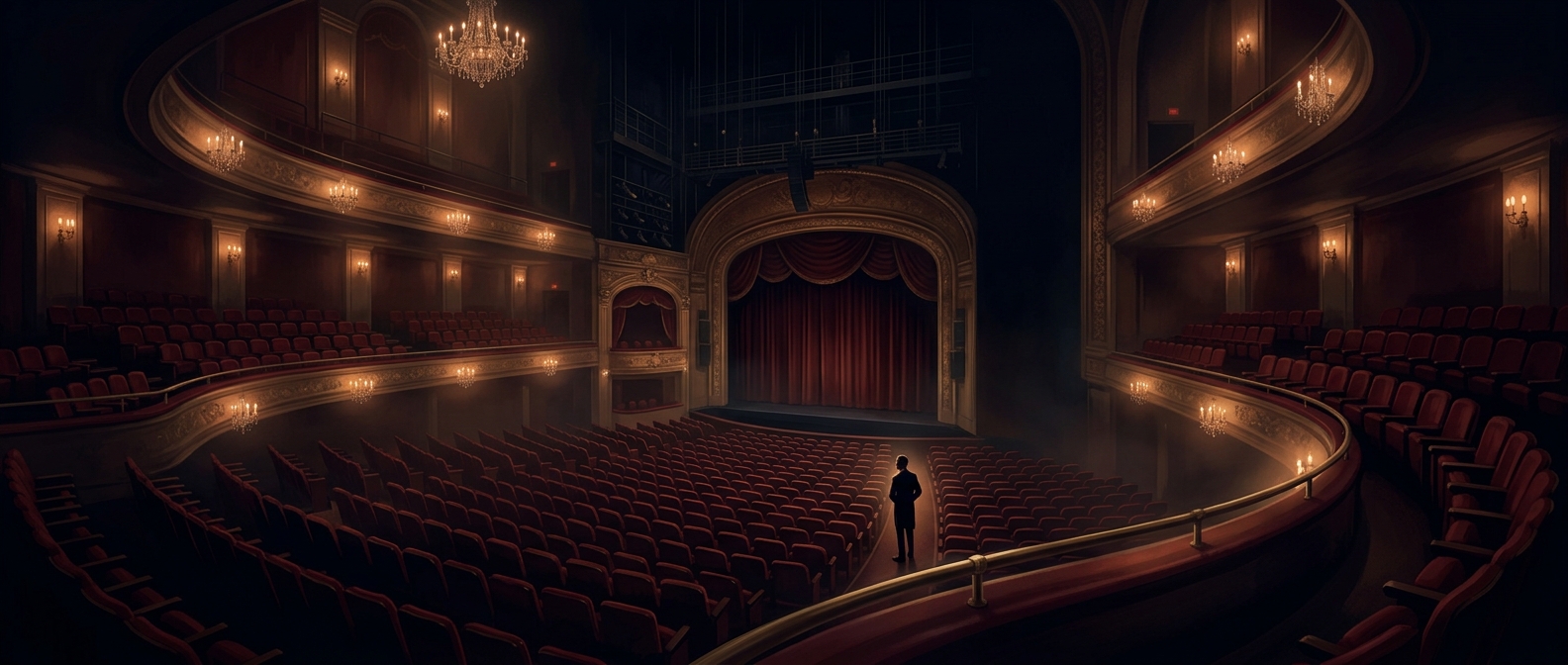
Before a show begins, the auditorium is still a shared public space: people are finding seats, putting away programs, and noticing one another. As the house lights fade, that ordinary activity winds down in stages. The change tells the audience that attention is shifting toward the stage without making the room feel suddenly unsafe or disorienting.
Why not switch them off at once?
A sudden blackout removes visual information instantly. People may be left unsure whether to stay still, finish moving, or look for the nearest aisle. In a crowded room, that uncertainty can ripple outward as people react to one another. A gradual fade gives them a moment to register the change and settle, reducing the jolt that an abrupt plunge into darkness can create.
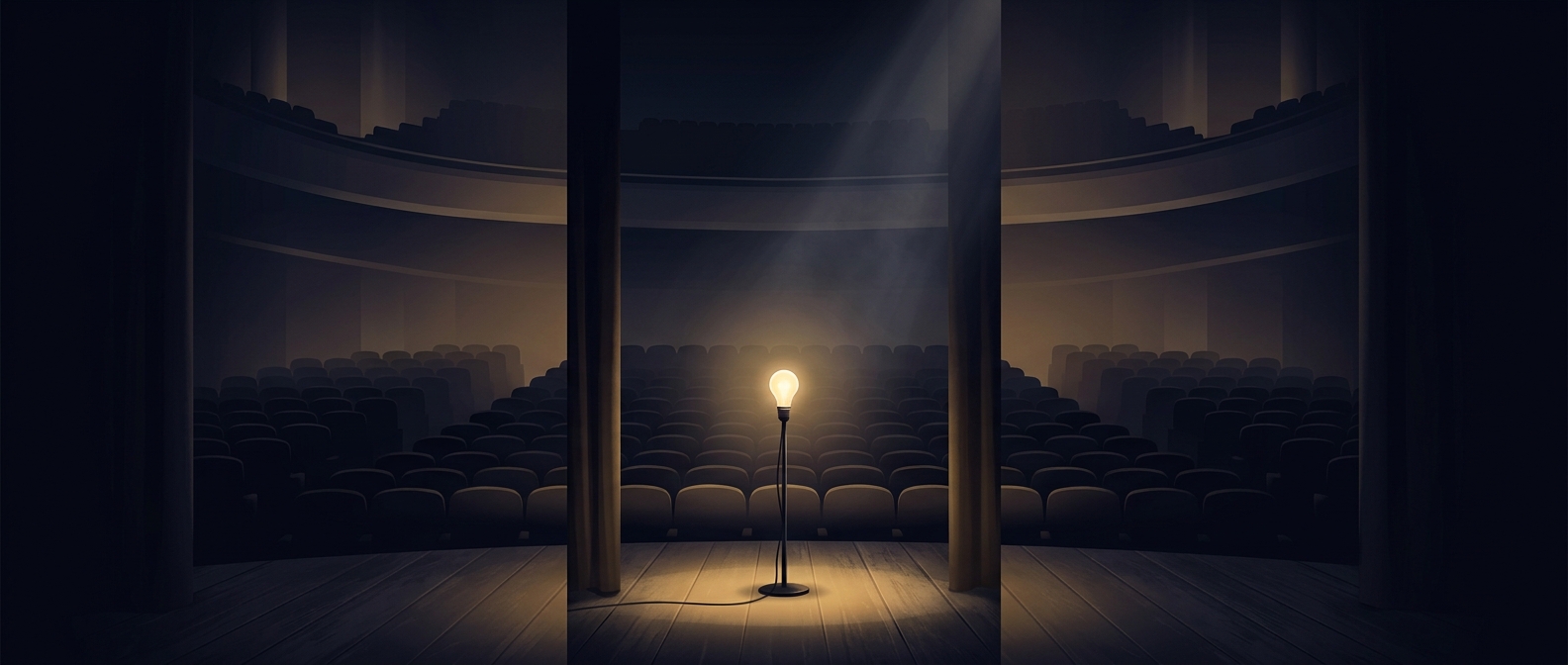
The transition also works as a quiet piece of stagecraft. It prepares the audience for a different visual world while keeping the moment itself unobtrusive. The lights do more than illuminate the room: their fading helps coordinate the audience. When the stage is ready and the auditorium has grown dark, the show can begin with attention already gathered.