When a Fortress Became a Hazard
A bastion was built to protect a city from attack. In Brescia, the Bastion of San Nazaro also held a vast store of gunpowder, turning a defensive structure into a place where a single accident could threaten the surrounding streets. The powder served a military purpose, but concentrating it inside the city made the consequences of ignition unusually severe.
How a Spark Became a Citywide Blast
Gunpowder does not need to detonate like a modern high explosive to cause devastating destruction. When it catches fire, it burns extremely quickly, producing hot gases. In a confined store, those gases build pressure; if the fire reaches more powder, the burning can spread through the stock and intensify into a massive blast.
The reported trigger was lightning. The strike supplied the ignition, but the scale of the disaster depended on what lay beneath the bastion: a huge quantity of explosive material, stored together within a built-up city. The fortification that might have seemed a sturdy place to keep military supplies could not make that combination safe once the powder caught.
The Cost of Concentrating Gunpowder
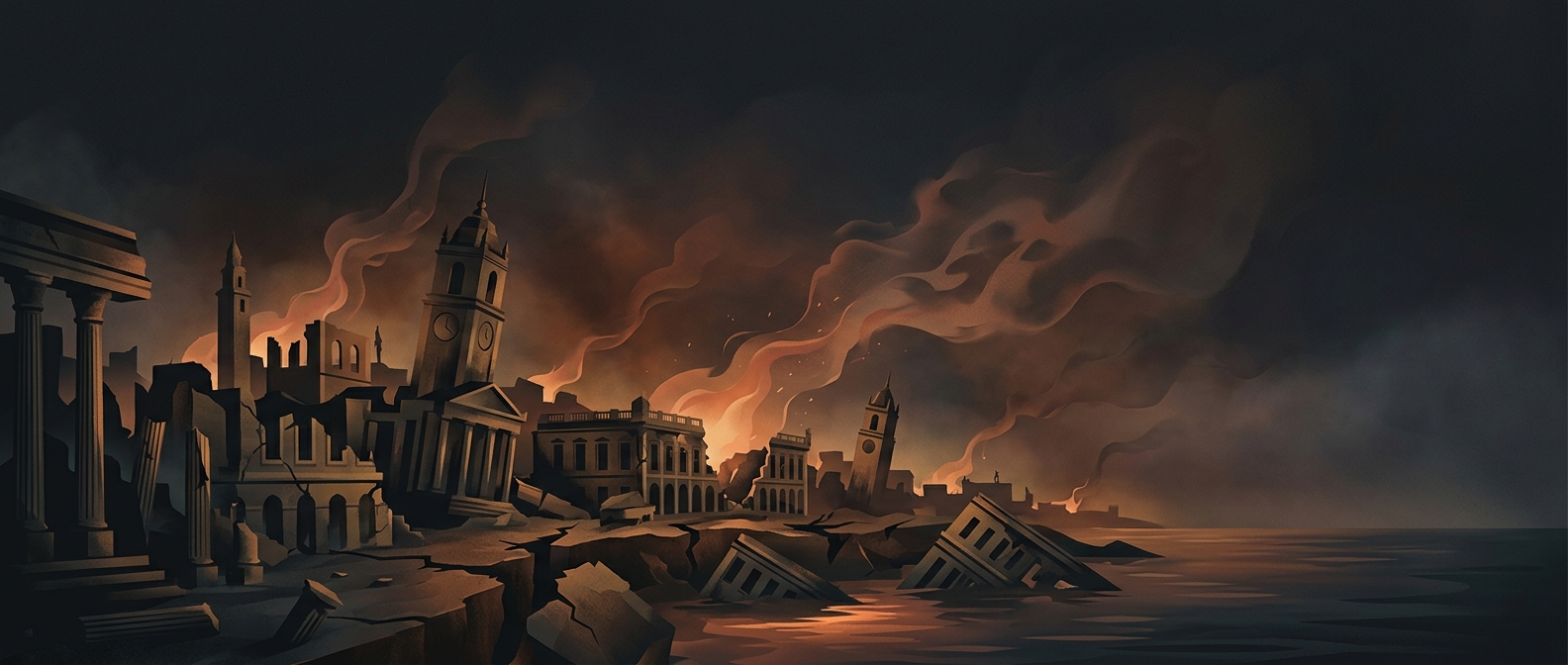
The explosion killed thousands and wrecked a substantial part of Brescia. Its lesson was not simply that lightning is dangerous. It was that where a city stores weapons can matter as much as how well it fortifies itself. A magazine placed within a defensive work may be convenient in ordinary times; in a disaster, the walls and nearby homes can become part of the same chain of destruction.